
10 Nicknames for St. Louis, Missouri You Should Know

Destguides may receive commissions from purchases made through affiliate links in this article.
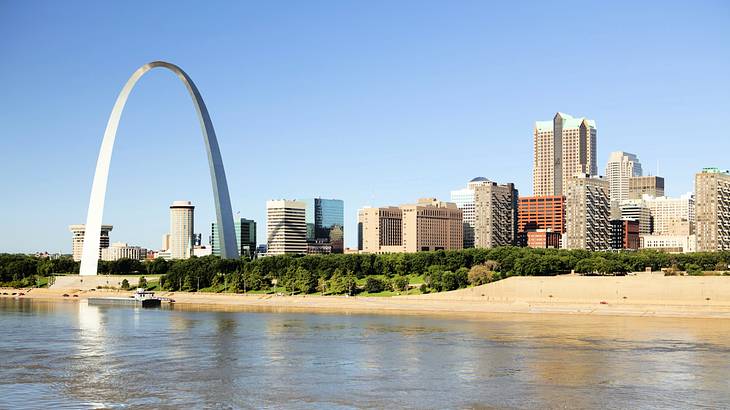

St. Louis sits at the meeting point of the Missouri and Mississippi rivers, a position that has shaped its identity since French fur traders founded the settlement in 1764.
For most of the 19th century, it was one of the most important cities in the country. It was the jumping-off point for westward expansion, a major trading hub, and at one point the fourth-largest city in the US.
That history has produced a long list of nicknames for St. Louis, Missouri. Some, like the "Gateway City," celebrate the city's role in the American West.
Others, like "Rome of the West," point to a religious legacy that once stretched across half the country. Here are 10 nicknames, along with the stories behind each.
10 St. Louis Nicknames

Fourth City
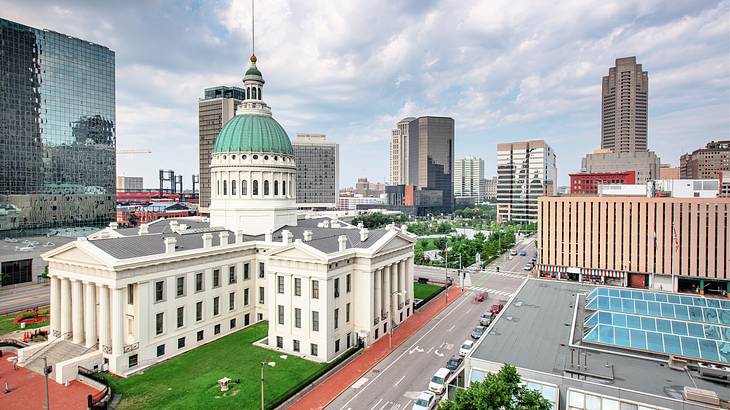
For decades, St. Louis was the fourth-largest city in the country. By the 1890s, the city had reached that rank, and it held its position through the early 20th century thanks to its dominance in regional manufacturing, rail, and river trade.
By 1970, St. Louis had dropped out of the top 10, and the nickname faded as the city's population declined. It is now used mainly when discussing the city's 19th- and early 20th-century history, when it stood alongside New York, Chicago, and Philadelphia as one of the country's defining metropolises.
Lion of the Valley
This nickname captured St. Louis at the height of its 19th-century prominence. As the most powerful city in the Mississippi River Valley, it dominated trade, transportation, and commerce across a vast region.
The "lion" comparison reflected the city's reputation for being unrivaled in its territory. The name fell out of use as Chicago and other Midwestern cities overtook St. Louis in size and influence, but it remains a recognizable historical title with references seen in book titles.

Gateway to the West
No nickname is more closely tied to St. Louis than this one. The city earned its reputation as "the gateway" in the 19th century, when it was the last major city travelers passed through before heading West.
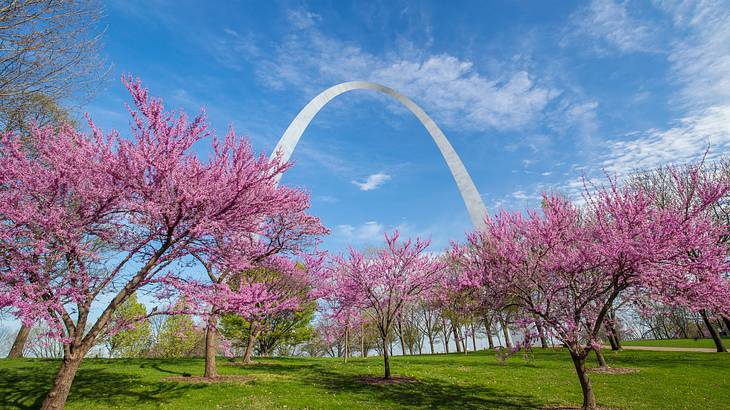
Lewis and Clark launched their expedition from the area in 1804, and for decades afterward, St. Louis served as the staging ground for pioneers, traders, and explorers heading into the frontier. The Gateway Arch, completed in 1965 and opened to the public in 1967, was built specifically to commemorate this history.
Standing 630 feet tall along the Mississippi River, it remains the tallest monument in the Western Hemisphere and the most recognizable symbol of St. Louis. The nickname "Gateway to the West" and its shortened form, the "Gateway City," are both still in active use today.
Mound City
Long before St. Louis was founded, the area was home to the Mississippian people, who built large earthen mounds across the region between 900 and 1300 CE.
At one point, around 40 of these mounds stood within the boundaries of present-day St. Louis. The largest, known as Big Mound, rose about 30 feet tall and 150 feet long along the riverfront. Settlers nicknamed the area "Mound City" because of these structures.
Most of the mounds were destroyed in the 19th century to make way for factories, houses, and railroads. Big Mound itself was leveled and used for fill dirt and bricks. Today, only one Native American mound remains within the city limits.

River City
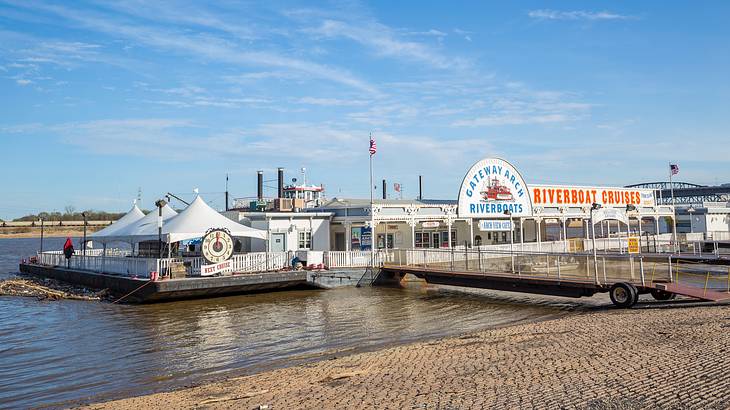
The Mississippi River has defined St. Louis since its founding. The waterway has shaped every aspect of the city's growth. In the 19th and early 20th centuries, the river was St. Louis' primary trade and transportation route, carrying goods up and down the country.
The river is no longer essential to the city's economy, but it remains central to its identity. The name appears on local businesses, such as River City Casino & Hotel. Riverboats, festivals, and the riverfront itself still draw locals and visitors to the water as well.
Rome of the West
This nickname is about the Catholic Church, not architecture. When Pope Leo XII established the Diocese of St. Louis in 1826, it was the largest in the country, stretching from Missouri across the Plains and into the Rockies.
Over time, the city sent missionaries West and helped give rise to more than 40 other dioceses, earning it the "Rome of the West" title. The name is rarely used in casual conversation today but remains tied to the city's religious history.
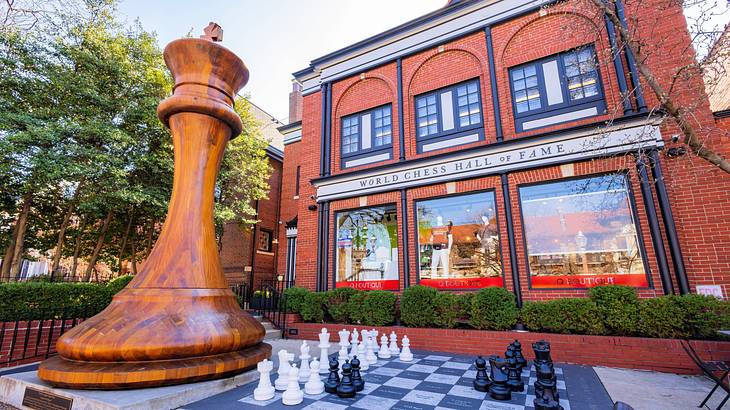

The Chess Capital of the World
St. Louis has built one of the strongest chess scenes in the world over the past two decades. The Saint Louis Chess Club, founded in 2007, opened its doors in 2008 and has hosted the US Championship and US Women's Championship every year since 2009.
The World Chess Hall of Fame moved to the city in 2011, and in 2014, the US Senate passed a resolution officially designating St. Louis as the country's Chess Capital.
The nickname goes a step further than the Senate's title, but the city has the credentials to back it up. Many of the country's top players are now based in or are affiliated with St. Louis.
The Lou
"The Lou" is a newer nickname that started gaining traction around 2008. It is simply a casual shortening of St. Louis, used mainly in everyday conversation and on social media. Some local businesses and marketing campaigns have adopted it as well.
Not everyone is a fan. Some residents object to the name because of its similarity to the British slang term for a bathroom, "the loo." The debate over The Lou has been a recurring topic in local media for years.
St. Lou
Like The Lou, "St. Lou" is just a shortened way of saying St. Louis. It keeps the "St." part, which gives it a slightly more formal feel than its cousin. It is used mainly in casual conversation and online, though it never reached the same level of popularity as The Lou.
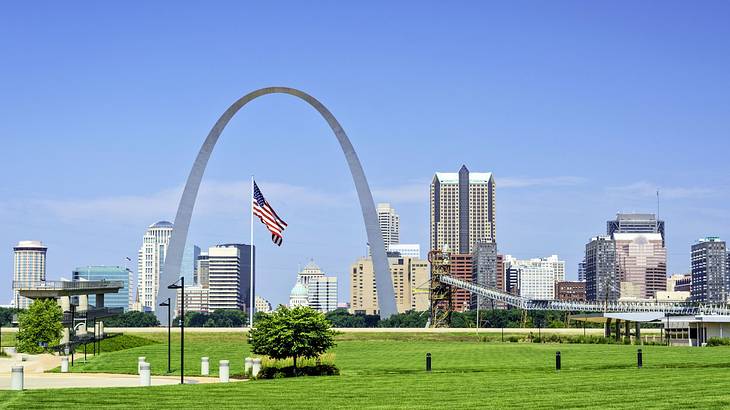

The STL
"The STL" takes the abbreviation approach in a different direction, pulling letters from both halves of the name. It shows up in casual usage and in local business names. The St. Louis Post-Dispatch even uses it in its website URL, "STLToday," and across its social media accounts.
In Conclusion
For a city that once stood among the largest in America, St. Louis has held onto its layered past through the names people still use for it. Some reach back to a time before European settlement.
Others remember the decades when the city sat at the center of westward expansion, Catholic missionary work, and Mississippi River trade. Together, they tell the story of a place that has always been hard to sum up in just one name.

Want to keep exploring?
Subscribe for our latest guides.
Thank you for subscribing
We will be in touch soon with our latest guides.
Want to keep exploring?
Subscribe for our latest guides.
Thank you for subscribing
We will be in touch soon with our latest guides.