
A Fun 7-Day Outer Banks Itinerary

Destguides may receive commissions from purchases made through affiliate links in this article.
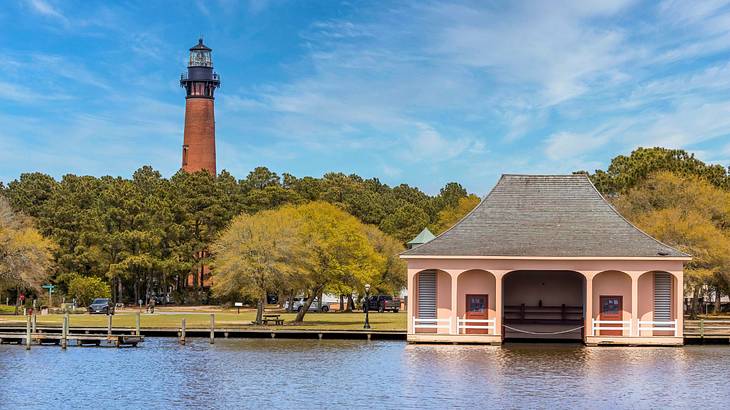

The Outer Banks are a series of barrier islands in North Carolina that rose to stardom thanks to the Netflix original series, Outer Banks. Despite what you might have heard, the Outer Banks is more than just a mysterious compass, teenage angst, and John B.
The islands are a natural wonderland that embodies the saying, "There's something for everyone." They're 200 miles long and are rarely more than a mile wide. Although usually low-lying, some naturally formed sand dunes in the Outer Banks rise to more than 100 feet.
These islands are family-friendly, budget-friendly, and full of unspoiled beauty and fun adventures. There are also several exciting and interesting towns in the Outer Banks to explore.
If you want to make the most of a week-long trip to the Outer Banks, this itinerary will help you experience the best of what they have to offer. Continue reading to learn more!
Planning a last-minute trip to the Outer Banks?
To make the most of your visit to the Outer Banks, we recommend you book accommodations and experiences soon. Below are some top recommendations to get you started.
🏨 Top accommodations in the Outer Banks
- Surf Side Hotel (rated highly)
- Hampton Inn & Suites Outer Banks Corolla (stunning waterside views)
- Holiday Inn Express Nags Head Oceanfront (relax by the pool)
☂️ Top tours and experiences in the Outer Banks
- Two-hour Outer Banks Wild Horse Tour by 4WD Truck (likely to sell out)
- Surf Lessons on the Outer Banks (likely to sell out)
- Beginner Hang Gliding Lesson (rated highly)
- OBX Ghost Tours- The Original Ghost Tour of the Outer Banks
- Corolla Kayak Adventure
1 Week Outer Banks Itinerary
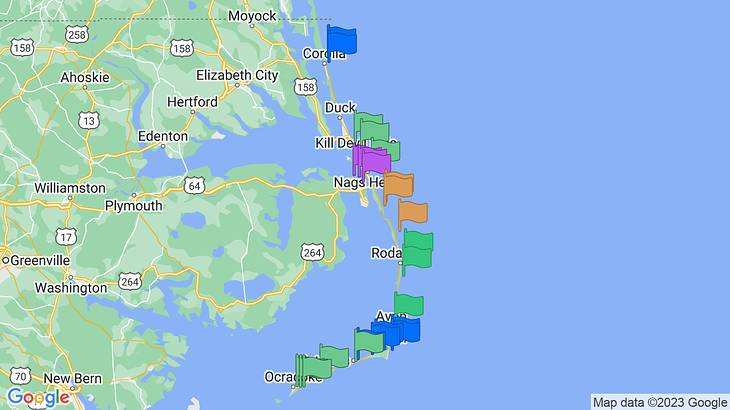
7-Day Outer Banks Itinerary Map
A map of the Outer Banks. Use the map to explore all the days and stops.
Currituck & Corolla
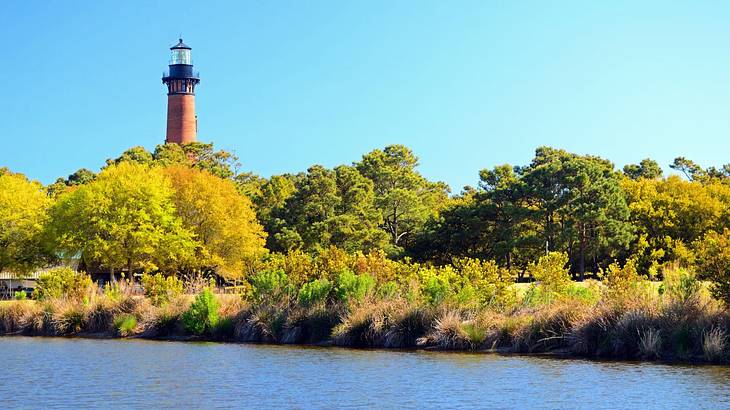

The first day of your itinerary starts in the northernmost part of the islands. This is the best way to see the Outer Banks without having to backtrack. The northern parts of the Outer Banks are a bit wilder than the other parts, making the area ideal for nature lovers.
There are several ways to reach the Outer Banks, with most visitors either driving or flying in. Airports close to the Outer Banks include international and regional ones. Do adjust or remove items from this itinerary to best suit your travel needs.

See Wild Horses at the Beach
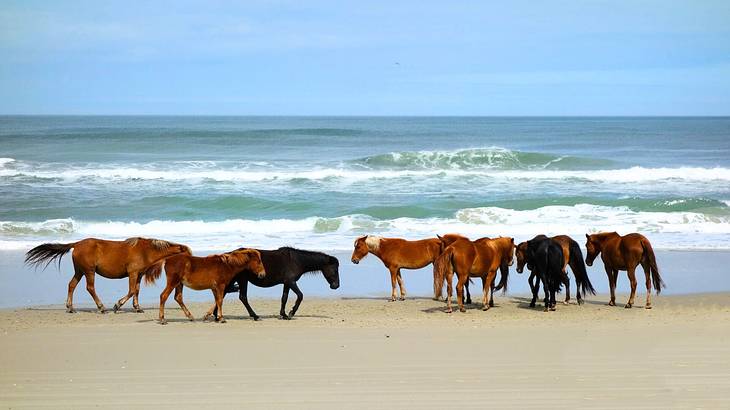
You've probably heard about the wild Spanish mustangs that roam free in the Outer Banks. To see these beauties, head to the northernmost beaches in Currituck and Corolla.
During the Colonial era, explorers from Spain brought the Mustangs with them to help explore the area. Now, seeing the descendants of the horses in the wild is a must-see while in the Outer Banks.
You don't need to book a tour to see them for yourself. Typically, people drive on the beaches to get to the horses, which requires a four-wheel drive. If you don't have a four-wheel drive and don't want to rent one, you can walk. You will have to walk about two miles to reach the horses, but the reward is worth the effort!
If you do want to join a tour group, this tour is a popular option. Before leaving the area, take a swim, hunt for shark teeth, or go shelling at Corolla Beach.
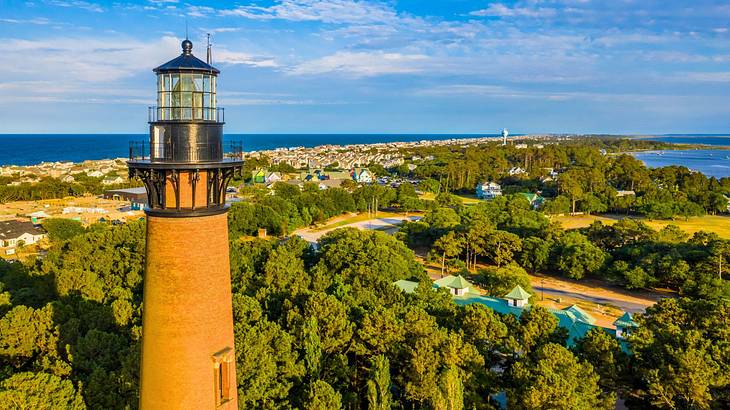

Currituck Beach Lighthouse & Historic Corolla Park
End your first day by walking the 220 steps to the top of Currituck Beach Lighthouse for perfect views of the historic Whalehead Club and Currituck Sound. In the late 1800s, the lighthouse's beacon began lighting the way for ships along the North Carolina coast.
The area off the Outer Banks coast is known as the "Graveyard of the Atlantic" due to the high number of boats that capsized here. The many incidents and the desire to improve maritime safety in the region led to the completion of the Currituck Lighthouse in 1875.
Before leaving, take the short walk across the road to Historic Corolla Park. The park offers a view of the sound, plus crabbing, fishing, and a beautiful wooden footbridge.
If you have a kayak or canoe, there is a designated area in the park where you can launch it. For photographers or those looking for the perfect Instagram shot, there are many pretty photo opportunities along the water and wooden boardwalks in front of the Whalehead Club.
Kitty Hawk, Kill Devil Hills, & Nags Head
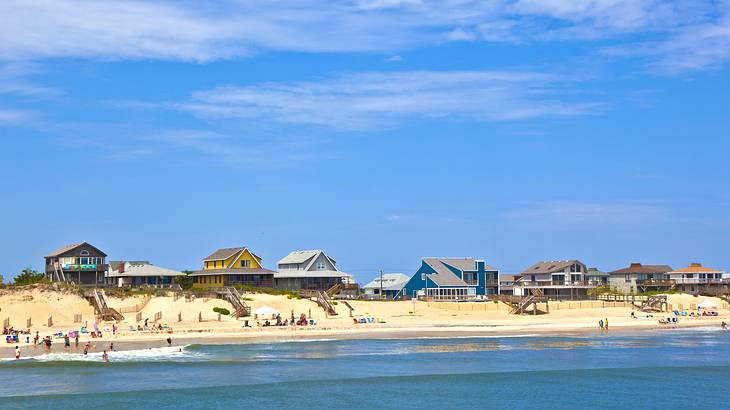

Day two of your itinerary includes learning about the area's history and embarking on an adventurous experience on the sand dunes. You can also relax on a beach and more while continuing to make your way down the Outer Banks.
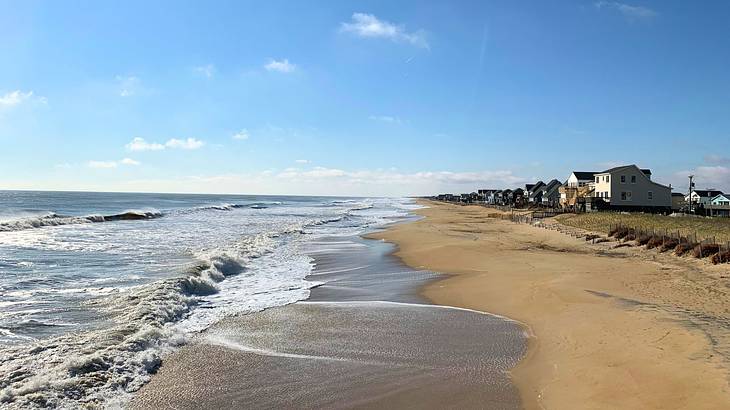

Kitty Hawk
On your second day in the Outer Banks, head south to Kitty Hawk. At the Monument to a Century of Flight, you can learn more about the Wright brothers and how they shaped aviation as we know it today.
Next, head to Sandy Run Park. It's one of the best places in Kitty Hawk because it has wooden boardwalks reaching out over the marshes, and you can usually catch sight of turtles, fish, ducks, and other wildlife. This park is more popular among locals than tourists, making it an excellent option for escaping the crowds.
Before heading south, stop by the Avalon Pier for a relaxing break. Grab a snack and enjoy it on the pier while you watch the surfers and kayakers in the ocean.
🏨 Stay in close proximity to Kitty Hawk
- Holiday Inn Express Kitty Hawk - Outer Banks (well-regarded)

Kill Devil Hills
Next, it's time to head south to Kill Devil Hills. Yes, this town has a rather unusual name, and one theory suggests that it originated from a type of bird that once inhabited the area in large numbers. The Killdeer bird gave the town the nickname Killdeer Hills, which later became Kill Devil Hills.
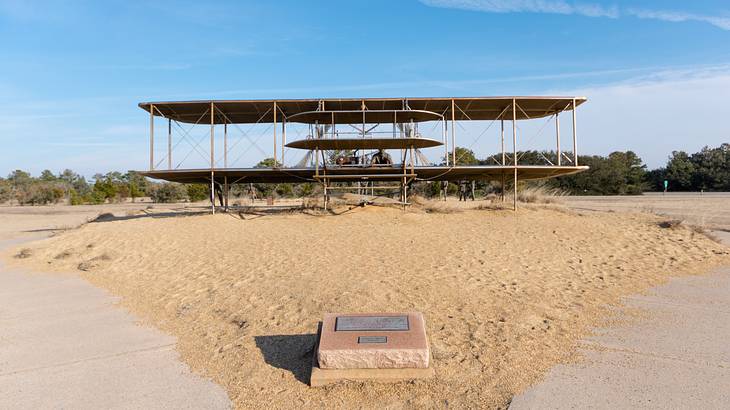
Kill Devil Hills is famous for being the birthplace of flight, which leads us to the Wright Brothers National Monument. You can learn about the Wright brothers and their iconic first flight at the Wright Brothers National Memorial.
If you visit in the summer, be sure to bring your walking shoes and plenty of water. If you're traveling with kids, this is an excellent stop in the Outer Banks. Children 15 and younger get in for free!
Before you leave town, head to Ocean Bay Boulevard for a swim or a walk on the beach. Before you go to a beach, though, make sure you check the wind speeds. The islands can occasionally be too windy to enjoy the beaches. A quick Google search can tell you the conditions on the beach in Kill Devil Hills.
🏨 Stay near Kill Devil Hills
- Shutters on the Banks (value option)

Nags Head
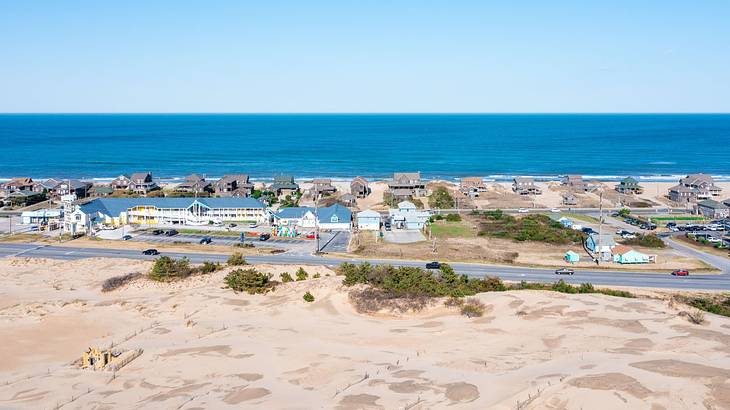
End your second day with adventure in Nags Head. Nags Head is home to Jockey's Ridge State Park, which features the tallest natural sand dune on the East Coast and perfect conditions for kite flying and hang gliding.
You can take your own hang gliding lesson in the park. If hang gliding isn't your thing, head to First Flight Adventure Park. They offer different aerial obstacle courses with varying levels of difficulty, each featuring its own zip line!
The best way to end a day in Nags Head is by watching the sunset at Jennette's Pier, the oldest fishing pier in the Outer Banks.
🏨 Stay near Nags Head
- Holiday Inn Express Nags Head Oceanfront (loved by guests)
Roanoke Island
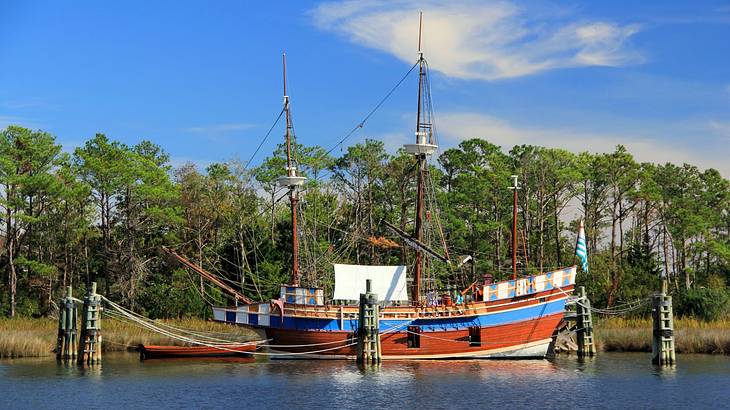

This little barrier island is famous for its "lost colony" of settlers. Roanoke was the first attempted English settlement in North America. It's also the birthplace of Virginia Dare, the first child born to English parents in the New World.
You could easily spend a whole weekend exploring Roanoke Island. Again, be sure to bring your walking shoes and plenty of water for the third day of this itinerary, especially if you're visiting in the summer!

Fort Raleigh National Historic Site
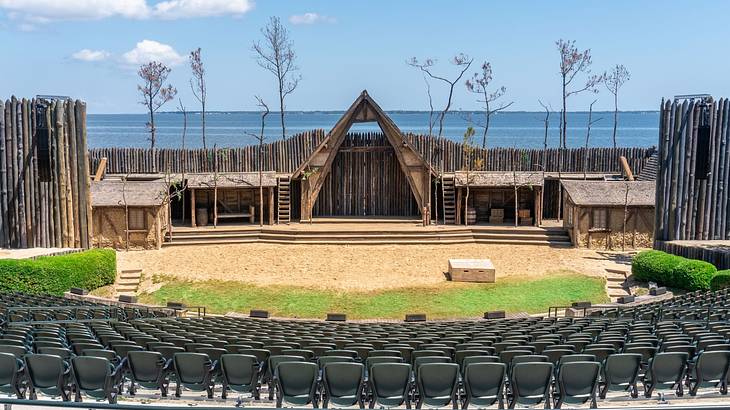
The Fort Raleigh National Historic Site preserves the location of the 1587 Roanoke colony, which was promoted and financed by Sir Walter Raleigh. Unfortunately, between 1587 and 1590, supply ships failed to arrive at the colony.
When the colony was next visited, the settlement had been abandoned, and no survivors were ever found. The fate of the "lost colony" remains unresolved. The settlement's history and mystery draw hundreds of thousands of people to this historic site each year.
If you're interested in musical theatre, you can visit the Waterside Theatre. The Roanoke Island Historical Association puts on a drama at the Waterside Theatre about the Lost Colony. The show is a great way to educate yourself about the colony while also supporting the artists in Roanoke.

Roanoke Marshes Lighthouse
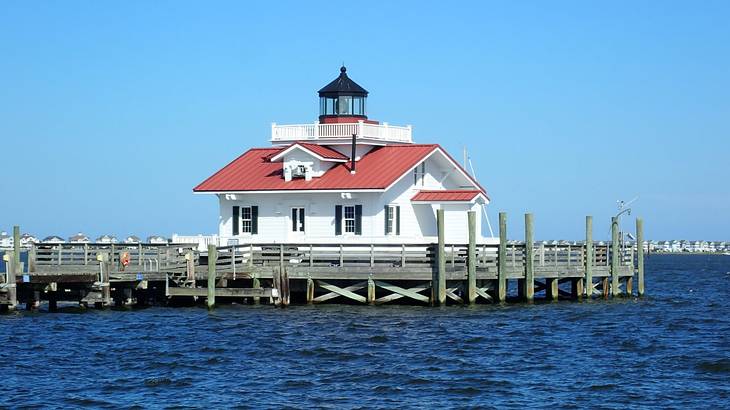
Not your typical lighthouse, the Roanoke Marshes Lighthouse is a beautiful, small lighthouse that you can reach by walking out on a wooden boardwalk over the bay.
Under the lighthouse is a little museum that you can explore for free. The best part about this lighthouse is its location. There are restaurants, shopping opportunities, and sweet shops, all within walking distance of the lighthouse.
Take a walk and see which shops catch your interest. You can stop by The Laughing Lollipop, where you can find typical yummy treats and some interesting and strange-flavored candies. You can also head for dinner at one of the restaurants in the area that can be reached on foot.
🏨 Stay in close proximity to Roanoke Marshes Lighthouse
- Island Motel OBX (mid-range)
- Roanoke Island Inn (well-rated)
Bodie Island & Pea Island National Wildlife Refuge
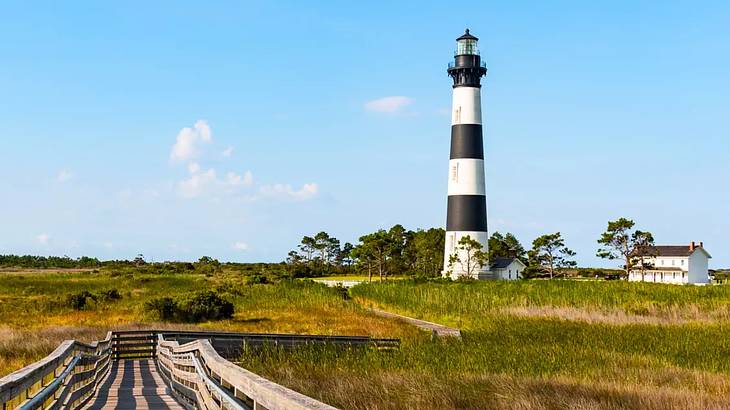

Day four is all about relaxation and immersing yourself in nature. You'll spend time relaxing on the beach, driving on thin strips of the barrier island, and exploring the Outer Banks' marshlands.
There aren't any restaurants really between Bodie Island and the Pea Island National Wildlife Refuge, so today would be the perfect day for a picnic!
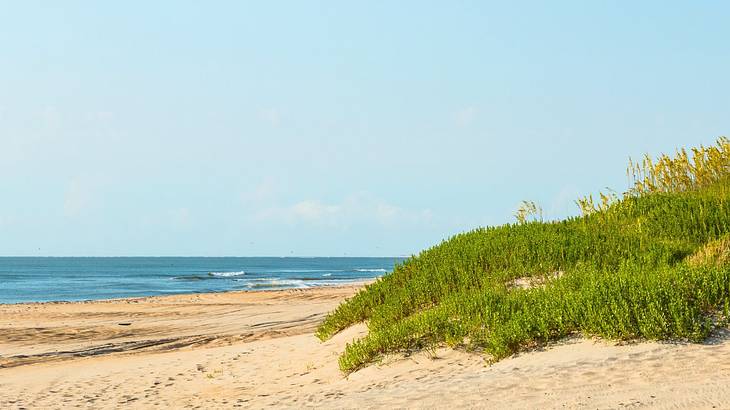

Coquina Beach
Spend your morning walking along Coquina Beach. It's an expansive white sand beach, so you shouldn't have any issues finding personal space.
If you're lucky, you may even see deer walking around in the dune grass on the beach. If you're traveling with young kids, remember that the Outer Banks' beaches can get windy and have strong surf.
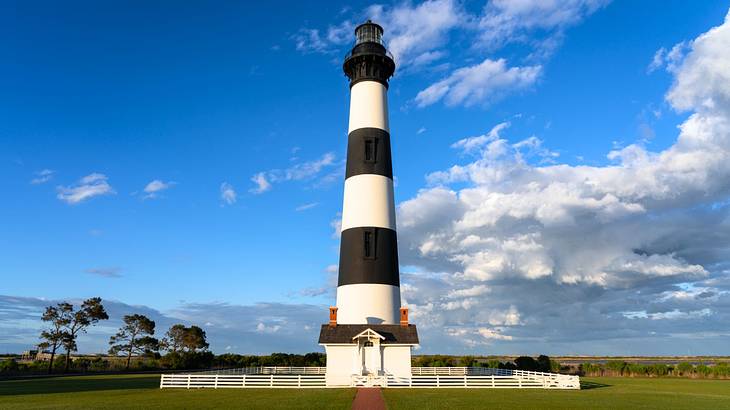

Bodie Island Lighthouse
Bodie Island Lighthouse has had a turbulent history. Initially built in 1847, it was abandoned due to a failing foundation. It was rebuilt in 1859 with better construction but was once again destroyed in 1861 by Confederate troops to keep it out of Union hands.
Today, the lighthouse sports the classic black-and-white stripes we have grown to expect of a lighthouse. You can climb the 214 steps leading up ten stories to the top of the lighthouse to view Pamlico Sound, marshlands, and the Atlantic Ocean.
Watch out for rattlesnakes around the lighthouse. They are native to the area and like to hang out underneath the wooden boardwalks. If you see a rattlesnake, let it be. They will move on if you leave them alone and give them space. Just stay on the boardwalk, and you'll be just fine.
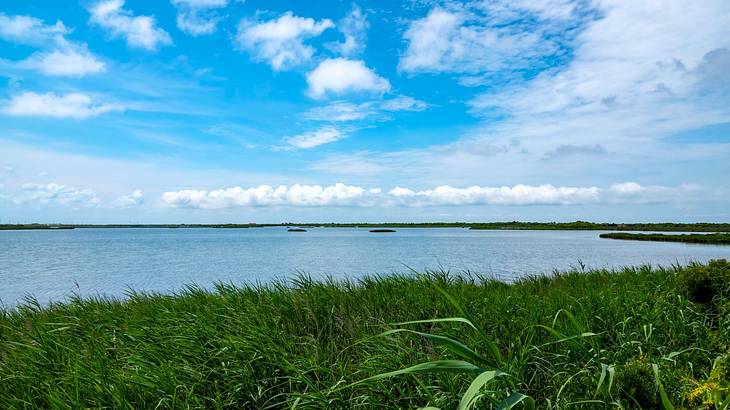

Pea Island National Wildlife Refuge
There are no buildings really along the road through the Pea Island National Wildlife Refuge. Driving through the refuge is a beautiful experience. It's a thin strip of island with a small area of sand dunes and grass on either side of the road before it turns into the sand and the ocean.
If you visit in the spring, you'll be able to see colorful wildflowers growing along the sand dunes. If you visit in the summer or a month before or after, be sure to bring bug spray.
Rodanthe, Salvo, & Avon
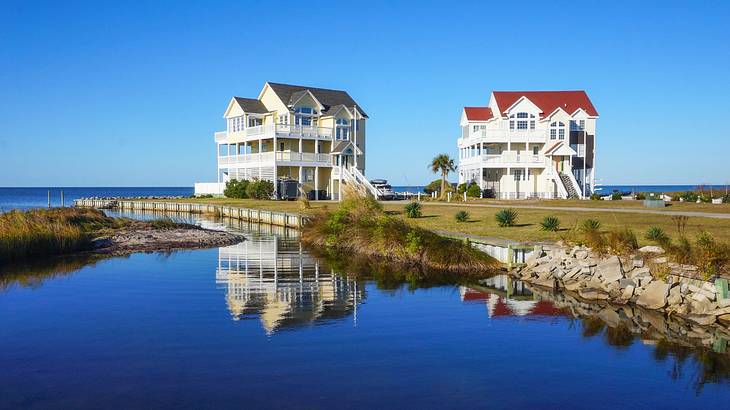

Are you ready to spend another day in nature? Day five of your itinerary is all about the beach and adventure, so pack your sunscreen and get ready to head to Rodanthe, Salvo, and Avon!
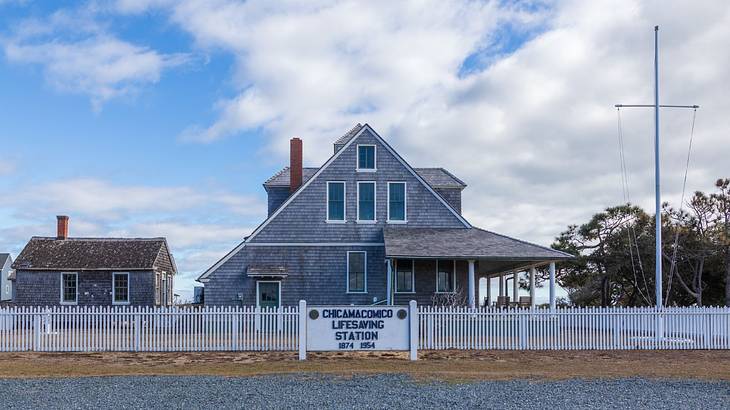

Rodanthe
Start your day in Rodanthe at the Chicamacomico Life Saving Station Historic Site. It's a former station that has been converted into a museum, showcasing the area's history and maritime rescue equipment.
Other activities to enjoy in Rodanthe include taking a kiteboarding lesson with a local company, visiting the Rodanthe Pier, or exploring more of the Pea Island National Wildlife Refuge if you haven't already.
Salvo
After lunch, head south to the Salvo Day Use Area in Salvo. The day-use area features a beach with ample space for sunbathing and swimming. There are also bathrooms, picnic tables, and a historic cemetery on part of the beach.
Salvo isn't as popular as some other places for kite surfing, but still, many come to Salvo to kite surf each year. Bring your own equipment and join in, or lay on the beach and watch the others.
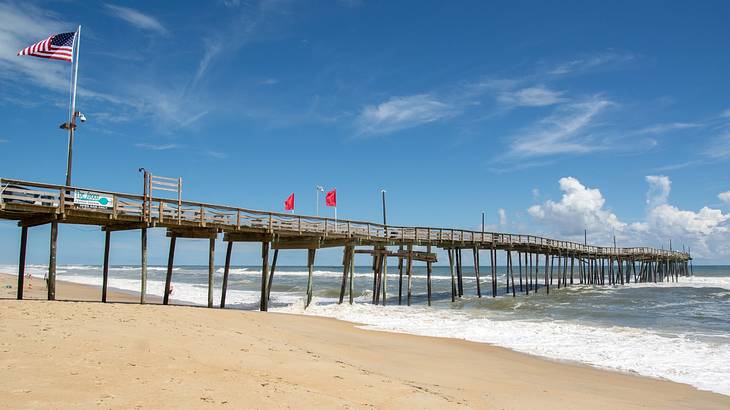

Avon
End day 5 in the Outer Banks with a walk on the Avon Fishing Pier before dinner. Right beside the pier is a tavern where you could stop for food, or you could jump back in your car and head somewhere else for dinner.
Hatteras Island
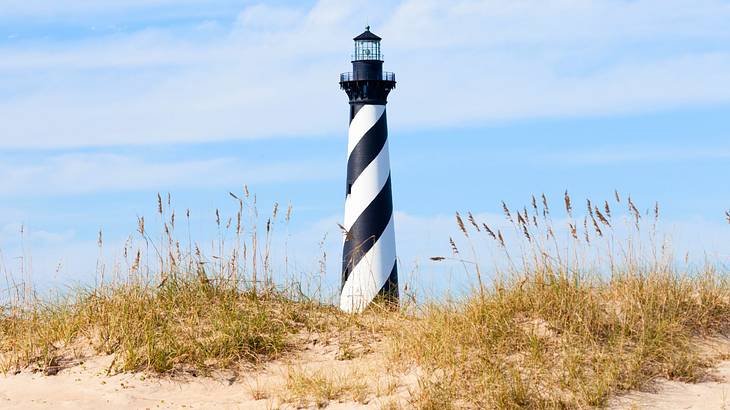

Hatteras Island is in the southern part of the Outer Banks. Today, you'll find your way to the tallest lighthouse in North America, explore historical sites and museums, and have one of the doughiest breakfasts you've probably ever had.

Orange Blossom Bakery & Cafe
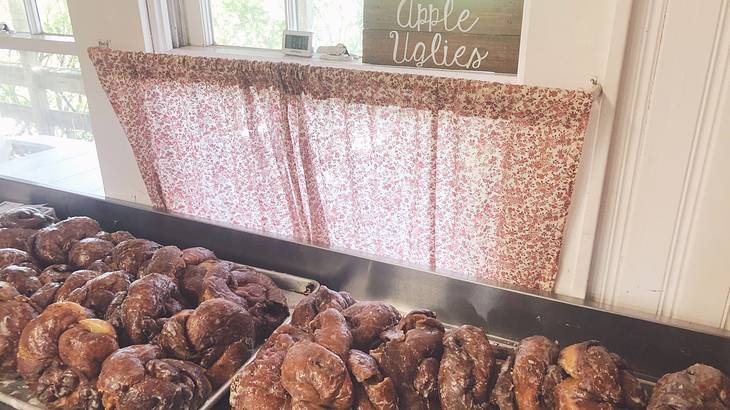
This little cafe in the north of Hatteras Island is too good to miss. It is famous for its Apple Uglies, which are basically a large twist of dough filled with apples and cinnamon. It might just be one of the best things you'll taste in your life!
While you're here, you'll see locals coming in for their regular breakfast and tourists venturing in to sample muffins, doughnuts, and Apple Uglies. It's a quaint yet delicious cafe that's often highly recommended as a must-do activity on Hatteras Island.

Cape Hatteras Lighthouse
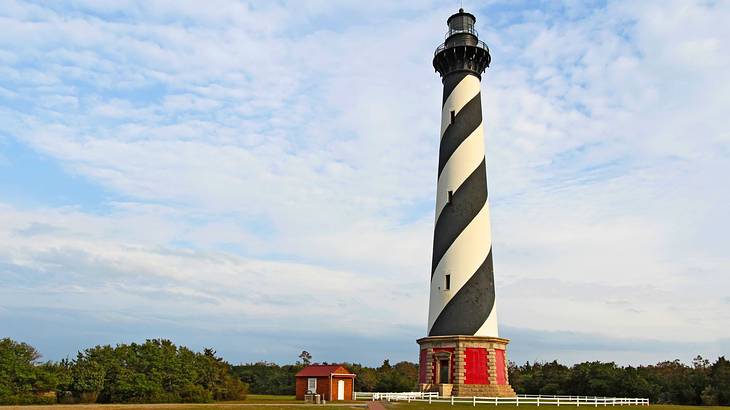
Next, visit the Cape Hatteras Lighthouse, located on the Cape Hatteras National Seashore. It is decorated with iconic black-and-white stripes and is the tallest lighthouse in North America.
There are trails around the lighthouse you can enjoy. When it is open, you can also climb the 257 steps to the top for a view of the Atlantic Ocean. If you choose to climb the lighthouse, keep in mind that it will be hot, humid, and dimly lit. Bring water, and make sure you don't wear shoes with too much of a heel.

Hatteras Village Park
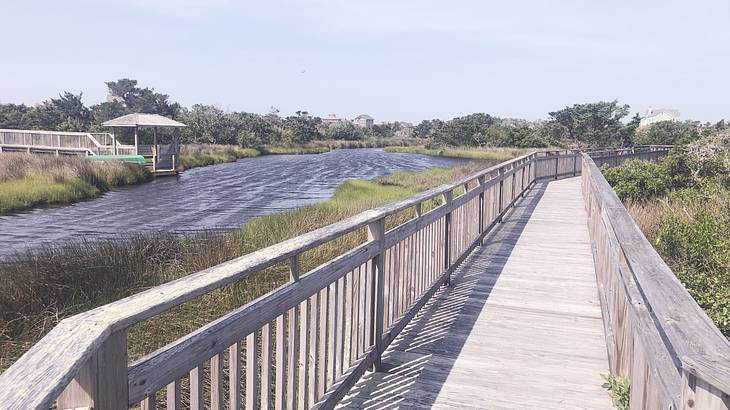
The park's entrance may seem small and unassuming, but don't let this fool you! The trails through the park lead through maritime forest and along quaint wooden boardwalks over marshland.
Also, stay aware! Venomous snakes and mosquitoes call the area around the trails home. Visitors don't often see snakes on the trails; however, it's something to keep in mind. Lastly, since you're in the South and near the water, be sure to bring bug spray.
Frisco Native American Museum & Natural History Center
At this stop, you'll learn about the original inhabitants of Hatteras Island. This museum is a non-profit organization. You'll see artifacts from Native Americans who once lived on Hatteras Island, and gain insight into their way of life and learn about their history.
Ocracoke Island
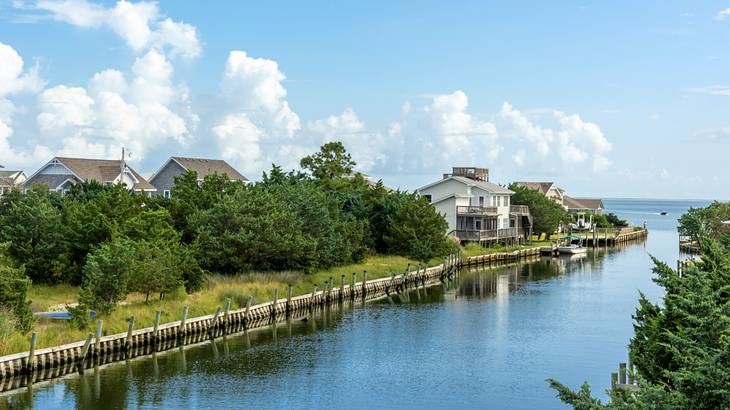

When you think of the best beaches in the United States, you probably think of Hawaii or Florida. One of the top-rated beaches in the country, however, is located right on Ocracoke Island.
So, on day seven of your Outer Banks itinerary, you will start your morning with a ferry ride to Ocracoke Island, visit one of the top beaches in America, see wild ponies, and climb a lighthouse.
You could technically spend a whole weekend exploring Ocracoke Island, but as it's your last day in the Outer Banks, get ready for a fun and jam-packed day!

Take the Ocracoke Ferry
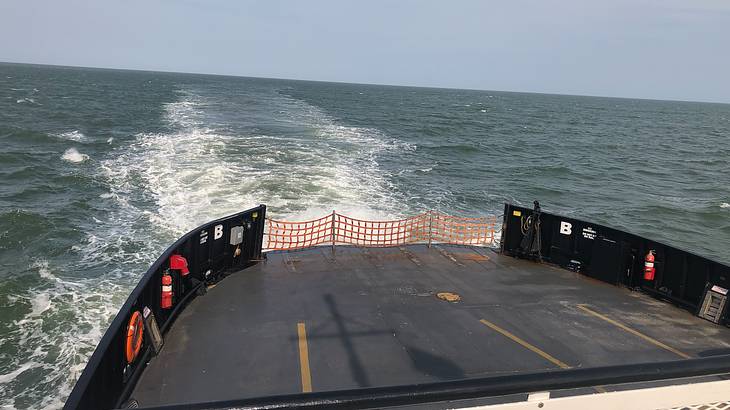
To get to Ocracoke Island from Hatteras Island, you must take a drive-on ferry. The process is free, simple, and enjoyable. The ride takes about 45-60 minutes. It's a great way to pass a bit of time with young kids because who doesn't enjoy a ferry ride?
Ocracoke Beach
Continue your morning on Ocracoke Island by spending time on one of America's top ten beaches. White sands, expansive beach, and driftwood await you!
It's also a popular place for shelling and finding sand dollars. However, you will want to check the wind speeds before you go. Windy days are common and can make the beach unenjoyable.
🏨 Accommodation close to Ocracoke Beach
- Pony Island Inn (well-regarded)

Pony Pen
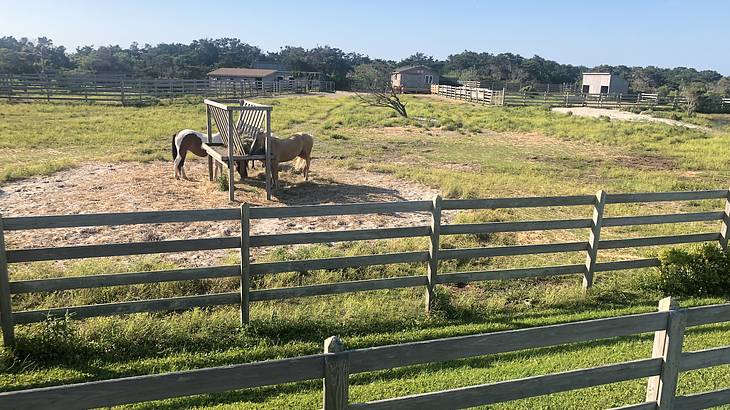
Not so wild anymore, but still, the descendants of the mustangs from Spain that were left on Ocracoke Island many years ago are still here today. They now enjoy 188 acres of land all to themselves. You can see them up close and personal at the Pony Pen.

Eat at Howard's Pub & Raw Bar
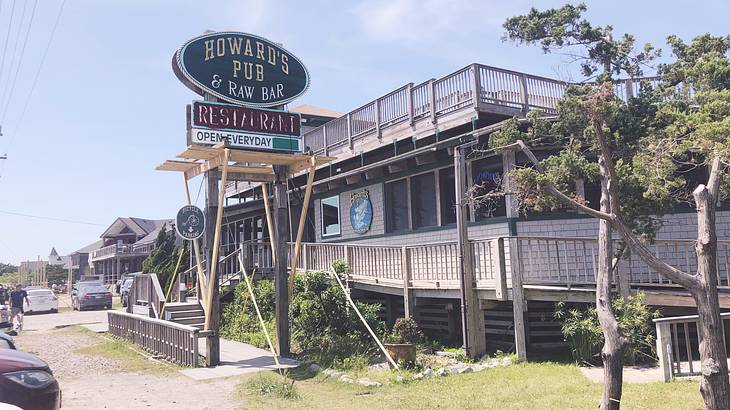
Next, stop for a bite to eat at the renowned Howard's Pub. The restaurant is decorated with old license plates and other "Americana" items.
It is recommended that you sit outside on the porch. It's screened in, so you don't have to worry about those pesky mosquitoes. What should you get from here? That's easy! It's definitely something like the fried pickles, which are a crowd favorite.

Ocracoke Lighthouse
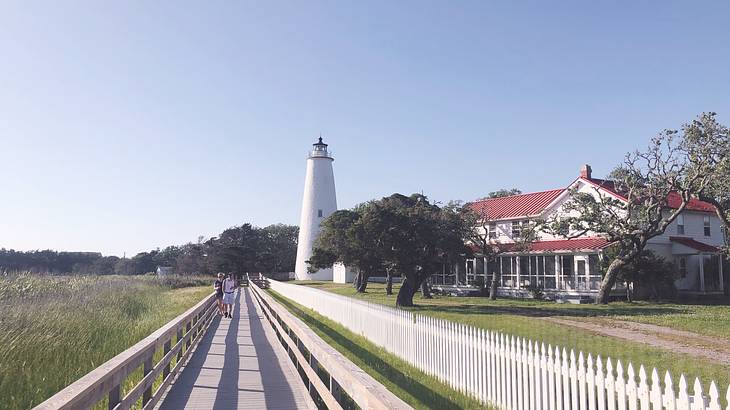
End your day on Ocracoke by seeing this lighthouse in the Outer Banks. The Ocracoke Lighthouse is about 75 feet tall and isn't in the typical lighthouse shape. Still, it is the oldest working lighthouse in North Carolina and the second-oldest in the country.
The lighthouse was actually only used for less than twenty years. Over time, the channel it provided light for migrated, making it obsolete.
There are only a few parking spots at the lighthouse, but don't worry! People don't stay here long. If you need to wait for a place to open up, do a quick lap around the block.
In Summary
It's easy to fall in love with the Outer Banks' natural beauty, adventurous activities, and delicious cuisine. These beautiful barrier islands do not disappoint!
Hopefully, you have been inspired to check out the Outer Banks for yourself. Although you could easily spend more time exploring the islands, this travel guide will ensure you get the most out of your trip and cover some of the best things to do while here.

Want to keep exploring?
Subscribe for our latest guides.
Thank you for subscribing
We will be in touch soon with our latest guides.
Want to keep exploring?
Subscribe for our latest guides.
Thank you for subscribing
We will be in touch soon with our latest guides.