
8 Denver Nicknames That Will Surprise You

Destguides may receive commissions from purchases made through affiliate links in this article.
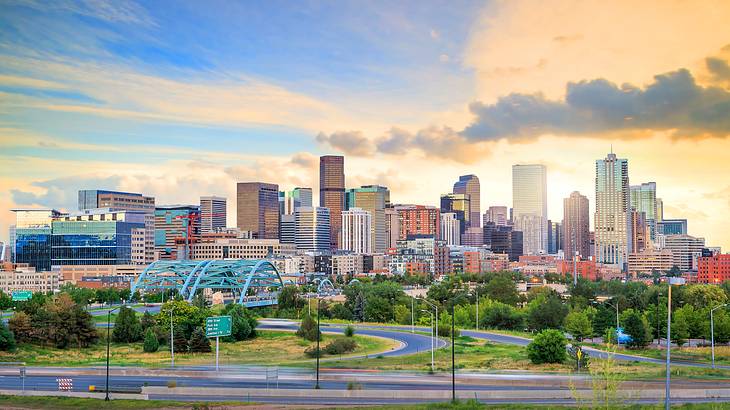

Most people know Denver as the "Mile High City." Fewer know it was once called "Cow Town," or that it earned the title "Wall Street of the West" before the 20th century was out.
Denver's nicknames track the city's evolution from a frontier settlement built on gold and cattle to one of the fastest-growing metro areas in the country. Here are eight Denver nicknames and the stories behind them.
8 Nicknames for Denver, Colorado

The Mile High City
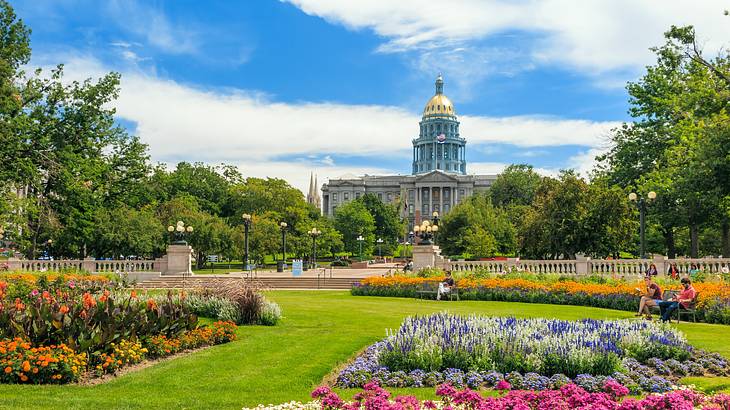
This is the one everybody knows. Denver sits at exactly one mile above sea level, and the city has leaned into that fact since the early 1900s, earning it the nickname the Mile High City.
The official 5,280-foot marker is on the 13th step on the west side of the Colorado State Capitol Building, adjacent to Civic Center Park. The nickname helped Denver distinguish itself from other regional destinations and remains the city's most recognizable name.
The Gateway to the Rockies
Denver sits on the western edge of the High Plains, roughly 12 miles east of the foothills of the Rocky Mountains. That proximity has long made it the natural starting point for visitors heading into the mountains.
The nickname originally referred to the city of Aurora, but as the Denver metropolitan area expanded around it, the capital claimed the title. Denver International Airport, where nearly all visitors flying into the region land, reinforced the association.
The Queen City of the Plains
Before Denver was the Mile High City, it was the "Queen City of the Plains." This was the city's most common nickname in the mid-to-late 1800s, rooted in Denver's growing importance as a hub for agriculture on the High Plains.
Cattle pens sprang up around the railroad depots as farmers shipped livestock east. The National Western Stock Show, first held in 1906, cemented Denver's role as the region's agricultural capital. The nickname faded as the city's economy shifted toward finance and business in the early 20th century.
Broncoville
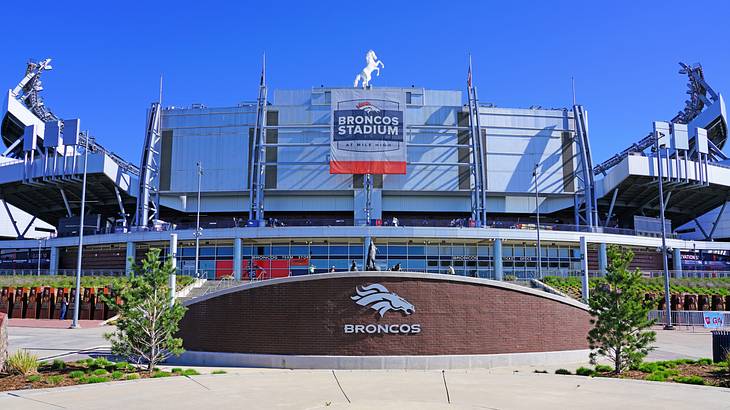
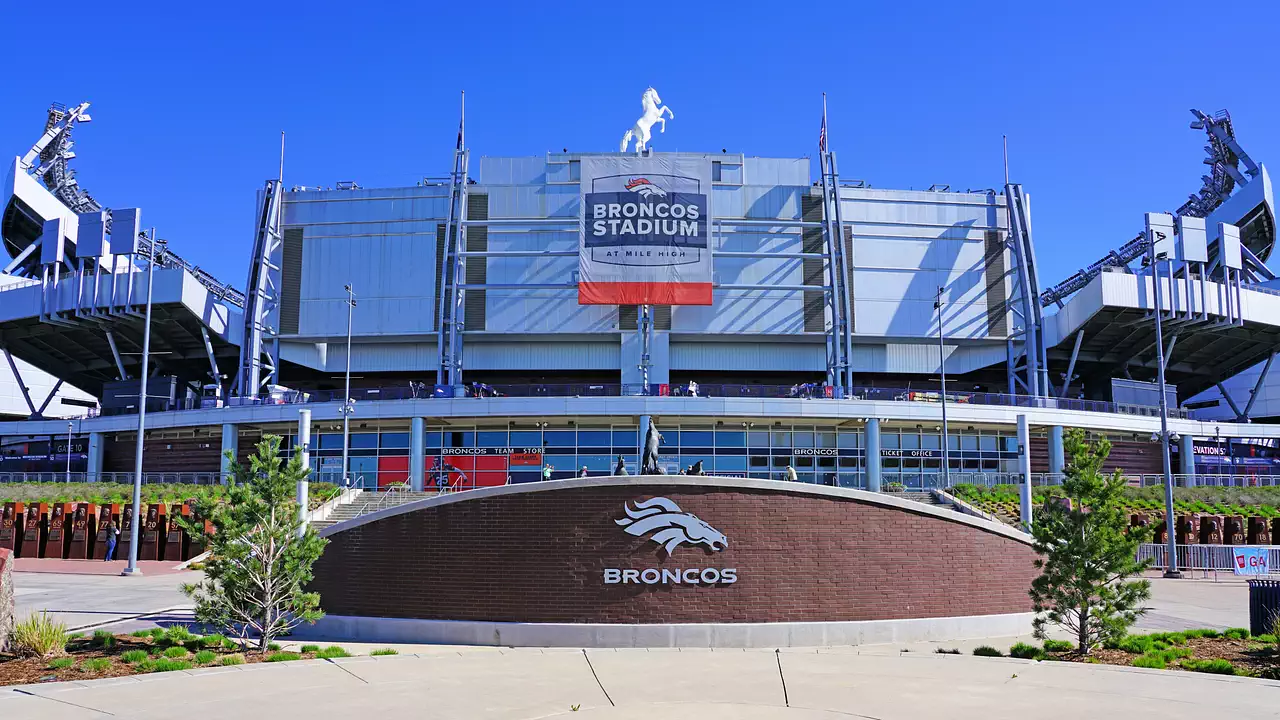
Denver Post sports writer Mark Kiszla coined this one in a January 2001 column, writing that Denver "is Broncoville." It stuck. The Denver Broncos, founded in 1960, are three-time Super Bowl champions (1998, 1999, and 2016) and the city's most passionately followed sports team.
They play their home games at Empower Field at Mile High in downtown Denver. The stadium opened in 2001, replacing the original Mile High Stadium.
The Wall Street of the West
This nickname traces back to the late 1800s, when Denver's 17th Street began attracting banks, office buildings, and corporate headquarters. By the early 1900s, the concentration of financial institutions along that corridor earned the street comparisons to New York's Wall Street.
As Denver's influence in the business world grew, the nickname expanded from the street to the city itself. It is not widely used today, but the financial district along 17th Street remains the heart of downtown Denver's business activity.
The Beer Capital of the United States
Denver's relationship with beer goes back to the very beginning. The first permanent structure built in the city was a saloon. Today, nearly 150 breweries, brew pubs, and tap rooms operate across the metro area.
The city also hosts the Great American Beer Festival every fall, one of the largest beer events in the country. The Coors Brewery in nearby Golden is the world's largest single-site brewery.

The Queen City of the West
While the Queen City of the Plains reflected Denver's agricultural roots, the "Queen City of the West" pointed to something bigger. During the Colorado Gold Rush, Denver transformed from a small frontier settlement into one of the region's most prosperous commercial centers.
The expansion of the railroad brought rapid development, and wealth from gold, silver, and other minerals fueled the city's rise. This nickname captured Denver's ambitions as a western powerhouse, not just a plains farming hub.
Cow Town
Denver's cattle ranching heritage runs deep. From the Gold Rush era onward, the city served as a center for the western livestock industry. Ranchers shipped cattle east by rail, and Denver became a key stop in the supply chain.
The National Western Stock Show, held annually since 1906, keeps the tradition alive. The event draws visitors from across the country and remains one of the largest livestock shows in the nation. Denver has long since shed its frontier image, but Cow Town still gets dusted off every January.
In Summary
Denver's nicknames read like a timeline. Cow Town and the Queen City of the Plains came first, when cattle and crops defined the economy. Wall Street of the West followed, with banks lining 17th Street. The Mile High City overtook them all in the 1900s and never let go.
And somewhere along the way, Denver became a place where you can watch a rodeo in January and visit 150 breweries the rest of the year. Not many cities can pull that off. So what are you waiting for? It's time to visit Denver!

Want to keep exploring?
Subscribe for our latest guides.
Thank you for subscribing
We will be in touch soon with our latest guides.
Want to keep exploring?
Subscribe for our latest guides.
Thank you for subscribing
We will be in touch soon with our latest guides.