
18 Detroit Nicknames From Past to Present

Destguides may receive commissions from purchases made through affiliate links in this article.
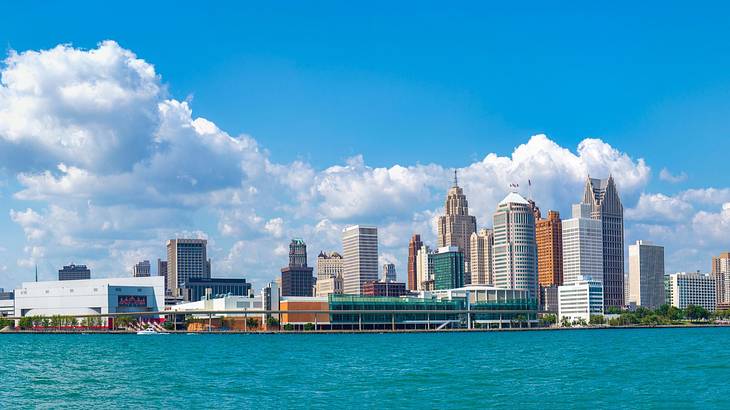

In 1701, a French explorer named Antoine de la Mothe Cadillac founded a trading post on a narrow waterway connecting Lake Erie and Lake St. Clair. He called it Fort Pontchartrain du Détroit, after the French word for "strait."
More than three centuries later, that settlement has grown into the largest city in Michigan, a place that has shaped industries, influenced music, and reinvented itself more than once.
Along the way, Detroit has picked up a long list of nicknames that reflect its triumphs, its struggles, and everything in between. Continue reading for 18 Detroit nicknames and their origins.
18 Nicknames for Detroit

The Renaissance City
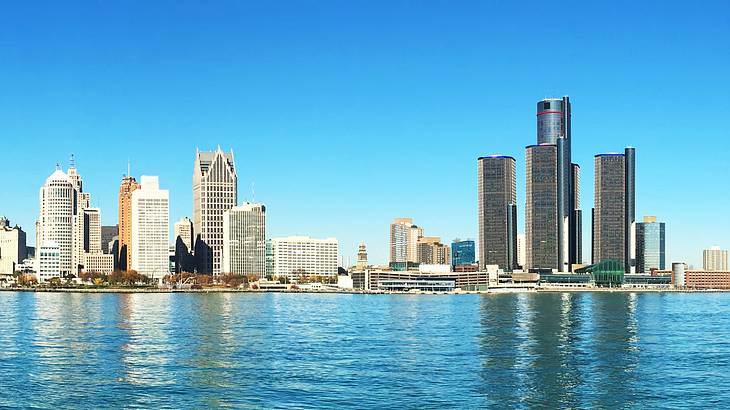
The "Renaissance City" nickname reflects Detroit's long history of reinvention. The iconic Renaissance Center, which opened in 1977, became a defining feature of the city's skyline.
The building was designed to signal a new chapter for Detroit as a player in the business and entrepreneurial landscape. The city had been facing turmoil due to high crime and unemployment rates, and passionate Detroiters pushed to revive its image in the public eye. The nickname has stuck around ever since.
Arsenal of Democracy
During World War II, Detroit contributed heavily to the Allied powers' success. The city's factories shifted from car production to manufacturing weapons, military vehicles, and other battle equipment that was shipped overseas. Detroit and the surrounding region accounted for roughly 30% of US war material production during the conflict.
President Franklin D. Roosevelt popularized the phrase "Arsenal of Democracy" during a Fireside Chat radio broadcast on December 29, 1940. Because of the city's massive wartime output, the name became closely associated with Detroit.

Motown
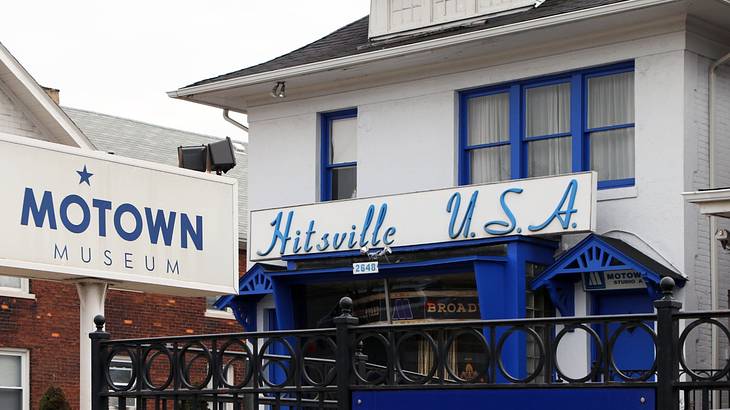
Motown Records is the origin of one of the most famous Detroit nicknames. Berry Gordy incorporated the label as Motown Records Corporation in 1960, and it went on to shape the careers of legendary performers including Marvin Gaye, Diana Ross, and Stevie Wonder.
The name "Motown" is a combination of "Motor" and "Town," a nod to the city's booming automotive industry. In 1972, Gordy relocated the label's headquarters to Los Angeles, but the nickname never left Detroit.
The Motown Museum, housed in the label's original studio on West Grand Boulevard, preserves this history and remains a popular landmark in the city.
Motor City
Detroit is a leader in the nation's automobile industry. Henry Ford established the Ford Motor Company in 1903. He introduced the moving assembly line at the Highland Park Plant in 1913, an innovation that changed the entire course of transportation and car production.
The Henry Ford Museum of American Innovation is a popular Detroit landmark that explores this rich historical background. Detroit has been known as "Motor City" to locals and people around the world ever since.
The Automobile Capital of the World
Ford's introduction of the moving assembly line was a turning point not just for one company but for an entire industry. Detroit became the center of car manufacturing in the United States, and the title the "Automobile Capital of the World" followed.
The city and the surrounding metro area became home to the headquarters of the Big Three American automakers: Ford, General Motors, and Chrysler.
Though the city has faced many challenges over the years, including unemployment, poverty, and economic decline, its connection to the automotive industry is recognized internationally.

A City of Reinvention
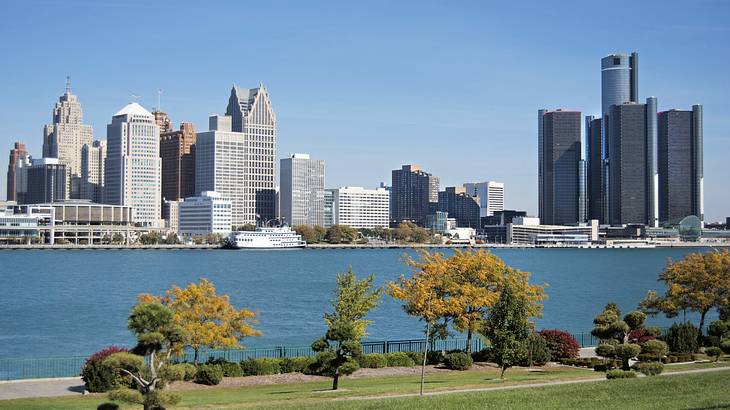
Detroit has had a history full of both success and tragedy. From industrial booms to crashes, the city has made a name for itself in the United States. In recent years, large companies and investors have been reinvesting in the city in hopes of reviving it.
The "City of Reinvention" reflects this ongoing rejuvenation. New businesses, improved transportation systems, and renewed civic investment have all contributed to the sense that Detroit is reinventing itself yet again.
Startup City
In more recent years, Detroit has built a reputation as a hub for new businesses and technology companies. The city has been recognized as a top "emerging startup ecosystem", and the influx of startups has created jobs and helped boost the local economy.
The "Startup City" nickname reflects this newer chapter in Detroit's story, one driven by entrepreneurship and innovation rather than heavy manufacturing.
The D
One of the most popular Detroit nicknames, "The D," derives from the Old English blackletter typeface, which dates back to the 12th century. The Detroit Free Press was the first major Detroit institution to adopt the font when the newspaper was founded in the 1830s.
The Detroit Tigers followed in 1904, putting the Old English D on their uniforms. For decades, the symbol stayed mostly within baseball. That changed in 1968 when the Tigers won the World Series one year after the devastating 1967 riots.
The whole city rallied behind the Old English D, and it has been a symbol of Detroit pride ever since. The letter has since been adopted beyond baseball, showing up in marketing campaigns, media, and local culture. For anyone who grew up in Detroit, The D is shorthand for home.

A City of Trees
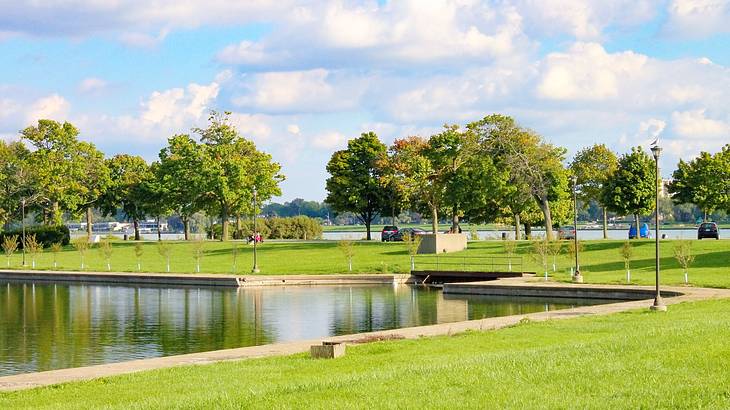
Whether walking along the Detroit Riverwalk or sitting in one of the city's many parks, there is no shortage of greenery. Augustus Woodward, the first Chief Justice of Michigan Territory, was responsible for planning tree-lined boulevards throughout the city after a devastating fire destroyed nearly all of Detroit in 1805.
Woodward Avenue, now one of the main streets connecting the suburbs to downtown, is widely believed to be named after him, though some historians argue the name means "toward the wood." Either way, his tree-lined design left a lasting mark, and Detroit can often be referred to as the "City of Trees."
The Murder City
The "Murder City" nickname refers to the darker side of crime and violence in Detroit's history. This name came about in the 1970s when over 700 murders occurred in the city in a single year.
Many outsiders came to view Detroit as a dangerous place, and in some neighborhoods, that reputation had some truth to it. Even though select areas still have high crime rates, that does not reflect the entire city.
There have been major pushes from political leaders, businesses, and law enforcement to reshape Detroit's broader image.

America's Comeback City
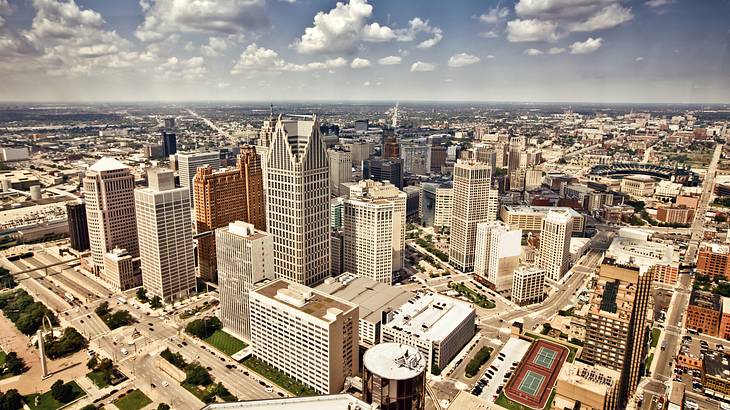
Detroit has been through significant change in recent years. The city filed for bankruptcy in 2013, the largest municipal bankruptcy in US history. Since then, unemployment and poverty rates have dropped as new investment has flowed in.
This revival earned the city the nickname "America's Comeback City." There is a renewed sense of hope in Detroit that has proven a comeback is more than possible.
The Paris of the Midwest
The "Paris of the Midwest" traces its roots to Detroit's French colonial history. In 1701, the French established Fort Pontchartrain on the Detroit River, and the settlement was envisioned as a "Paris of New France."
After a fire destroyed most of the city in 1805, Chief Justice Augustus Woodward redesigned its layout with broad, radiating boulevards modeled on Parisian city planning. Major roads were designed to extend from the Campus Martius area.
In the late 19th century, Detroit grew into a prosperous city, and the French undertones in its design reinforced the comparison to Paris. Though the city's fortunes have shifted since then, that heritage remains visible in places like Gratiot Avenue, Lafayette Boulevard, and Cadillac Square.

Daytwa
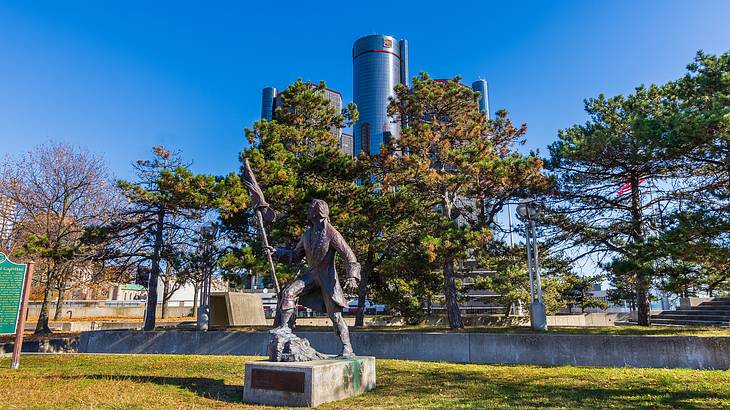
"Daytwa" is the original French pronunciation of Detroit. When France controlled the settlement, this is how the name would have been spoken. It is a less common nickname today, but it serves as a reminder of Detroit's colonial origins and the cultural influences that shaped the city in its earliest years.
Detroit Rock City
Although most people know Detroit as the city that put the world on wheels, it is also famous for its music. From Motown's productions to the underground electronic music scene, the city has never lacked vibrant sounds.
The famous hard rock group KISS released a song in 1976 titled "Detroit Rock City," and the name was adopted as a slogan for the city. It remains a popular reference among music fans.

Tiger Town
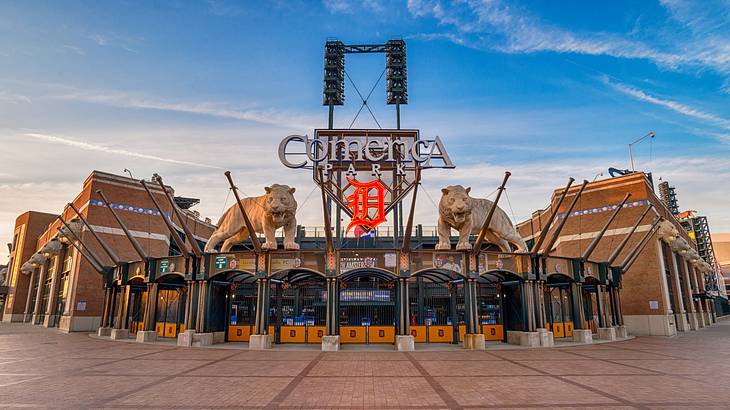
Another nickname for Detroit is "Tiger Town," which gained recognition through a 1983 TV movie of the same name, made for the Disney Channel.
The film, the first original production created specifically for the Disney Channel, is about the Detroit Tigers and was shot on location at Tiger Stadium.
Much like any city, sports connect the people of Detroit. The Detroit Tigers play a crucial role in that sense of community both on screen and in real life.
Hitsville, U.S.A.
The first Motown Records headquarters and recording studio on West Grand Boulevard was given the nickname "Hitsville, U.S.A." The studio churned out hit after hit through the 1960s and became the birthplace of a musical movement.
Due to the label's immense success, Berry Gordy relocated Motown's headquarters to Los Angeles in 1972. However, the original building has since been converted into a museum that showcases the label's legacy. The Hitsville nickname has since expanded beyond the studio to represent the whole of Detroit.
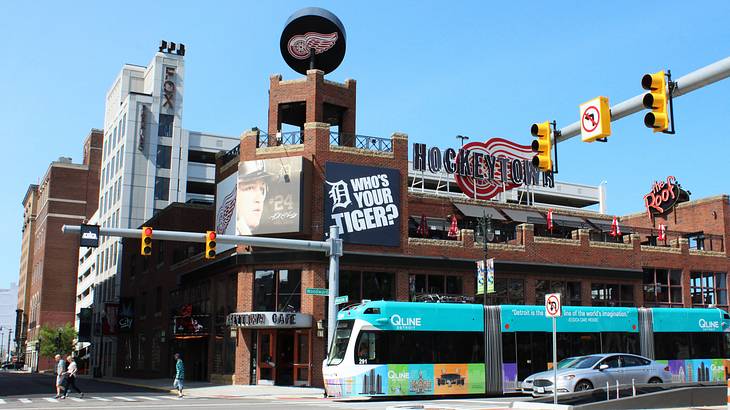

Hockeytown
The nickname "Hockeytown" is tied to the NHL's Detroit Red Wings. There is no doubt that Detroit is the hockey capital of Michigan, and fans from far and wide flock to watch games in the heart of the city.
While other cities across the United States and Canada have used the name Hockeytown, the Detroit Red Wings own a registered trademark for the term when combined with their winged wheel logo. That legal protection makes Detroit's claim to the name official.
The 313
"The 313" is the area code used for Detroit and the surrounding suburbs. It was one of the original 86 area codes established under the North American Numbering Plan in 1947.
Popular artists, most notably Eminem, have referred to Detroit as the 313 in songs and in the 2002 film 8 Mile. The nickname is mainly used among locals, but those who live in the surrounding suburbs sometimes claim it as well.
Conclusion
Detroit's nicknames stretch across more than three centuries of history. They cover French colonial roots, wartime production, the rise and reshaping of the auto industry, a music label that changed popular culture, and a city that keeps finding ways to come back.
Not many cities carry names as varied as Motor City, Hockeytown, and the Paris of the Midwest all at once. That range says more about Detroit than any single nickname ever could.

Want to keep exploring?
Subscribe for our latest guides.
Thank you for subscribing
We will be in touch soon with our latest guides.
Want to keep exploring?
Subscribe for our latest guides.
Thank you for subscribing
We will be in touch soon with our latest guides.