
5 Nicknames for Minneapolis

Destguides may receive commissions from purchases made through affiliate links in this article.
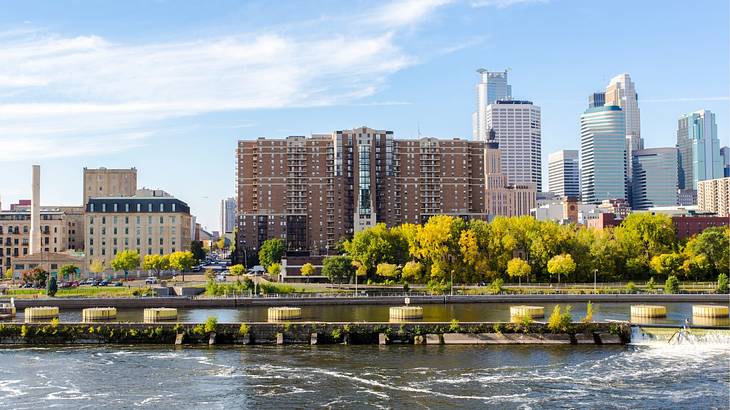

Minneapolis, one of the largest cities in the Midwest, is often paired with its capital of Minnesota twin, St. Paul. While "Minneapolis" is known nationwide, many outside the area don't know much about the city.
A great way to learn more about Minneapolis is by understanding the history behind some of its nicknames. "Twin Cities" and "Mill City" are among the most recognized nicknames for Minneapolis, but there are others worth discovering.
Whether you're visiting Minneapolis soon or just want to learn more about the city, continue reading for five Minneapolis nicknames and the stories behind them.
5 Minneapolis Nicknames

The City of Flour and Sawdust
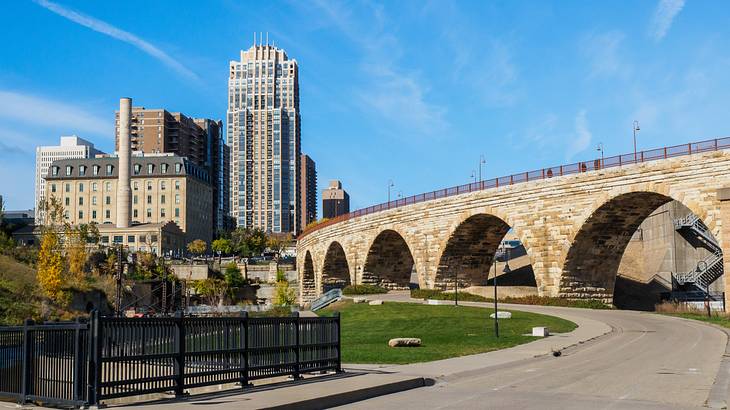
The "City of Flour and Sawdust" is an old Minneapolis nickname dating back to the late 1800s, when the city was a hub for flour and lumber mills. These industries thrived thanks to the city's location along the Mississippi River, facilitating easy transportation to the rest of the country.
While once popular, this nickname has faded over time and isn't commonly used today. You won't find it on souvenirs or in modern tourism materials.
To explore this nickname's history, check out old newspaper records at places like the Minneapolis Public Library, or visit historical sites like the Pillsbury A Mill and Mill City Museum to learn about the city's industrial past.
The City of Lakes
Even though Minnesota is known as the "Land of 10,000 Lakes," Minneapolis is specifically known as the "City of Lakes" due to the many water sources in and around the area.
Of course, one of the most famous Minnesota landmarks that you can find in Minneapolis is the Mississippi River. Notable bodies of water that flow into the Mississippi include the Minnesota River, Elk River, and numerous other streams.
Minneapolis also boasts over 20 lakes, wetlands, and additional waterways, all contributing to its "City of Lakes" title. This nickname is embraced by the local government and appears in brochures and literature about the city's natural resources, as well as occasionally on souvenirs.

Mini Apple
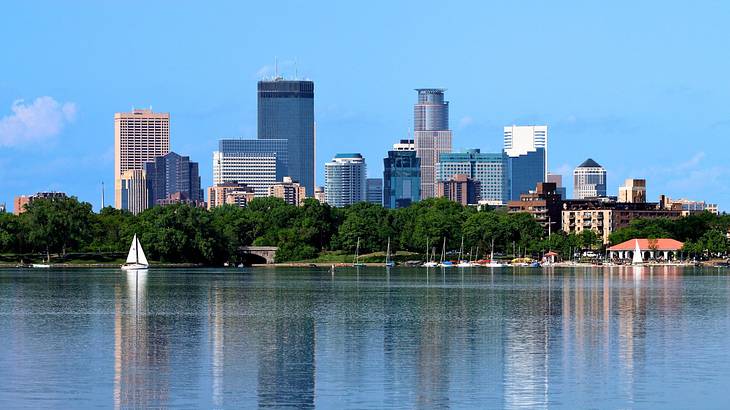
"Mini Apple," sometimes spelled "Minneapple," is a Minneapolis nickname inspired by New York City's the "Big Apple." The moniker first appeared in the 1980s, initially highlighting the contrast between the two cities.
Over time, however, the nickname has come to reflect Minneapolis' growth, drawing parallels to how New York City developed.
Today, the nickname is still used on souvenirs and is embraced by local publications. For instance, the The Minnesota Star Tribune frequently uses the nickname in coverage of Downtown Minneapolis events. The name also pops up in everyday conversations among locals.
Mill City
As mentioned earlier, Minneapolis experienced an economic boom in the 1800s driven by the flour and lumber industries, with mills thriving thanks to the city's access to the Mississippi River. This industrial growth led to the city's moniker, "Mill City."
Although these industries have declined over the years, Minneapolis still takes pride in once being the "Flour Milling Capital of the World." Some of the old mills have been repurposed into museums, like the Mill City Museum, a prominent local landmark.
Today, the "Mill City" nickname mainly refers to the Mill District, where these mills were located, and is also found in historic texts about the area's economic development.

Twin Cities
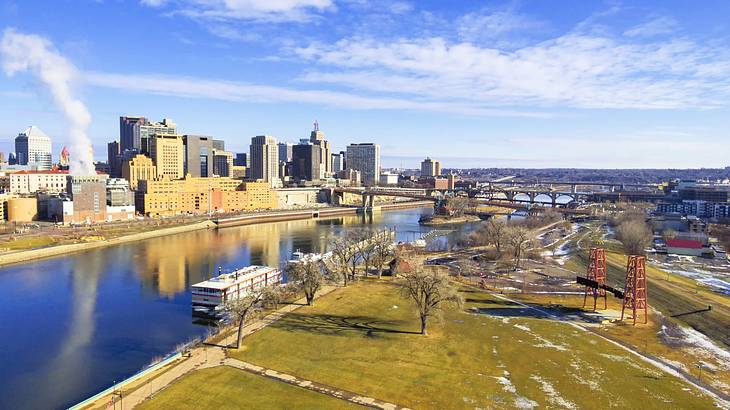
While "Twin Cities" might be Minneapolis' most famous nickname, you may wonder why it's called that. The name comes from the close proximity of Minneapolis to Saint Paul, which shares a border and many other characteristics beyond just geography with each other.
Minneapolis and Saint Paul are considered "twins" because their borders blend together, with shared businesses, services, and even schools. Local politicians often consider the views of residents from both cities.
Interestingly, Minneapolis wasn't always a twin to Saint Paul. In the 19th century, it had a similar relationship with St. Anthony, a nearby town. As both areas grew, their borders merged, forming modern-day Minneapolis, though a smaller St. Anthony still exists just northeast of the city.
Today, the "Twin Cities" is the most commonly used nickname, appearing in tourist information, signage, and publications referring to both cities.
In Summary
Minneapolis is a city with many names. From the "Mini Apple" to the "City of Lakes," the largest city in Minnesota has earned a variety of monikers over the years. Learning about these nicknames is a great way to get to know the city better—and you might even find one to use on your next visit!

Want to keep exploring?
Subscribe for our latest guides.
Thank you for subscribing
We will be in touch soon with our latest guides.
Want to keep exploring?
Subscribe for our latest guides.
Thank you for subscribing
We will be in touch soon with our latest guides.