
10 Kansas City Nicknames You Should Know

Destguides may receive commissions from purchases made through affiliate links in this article.
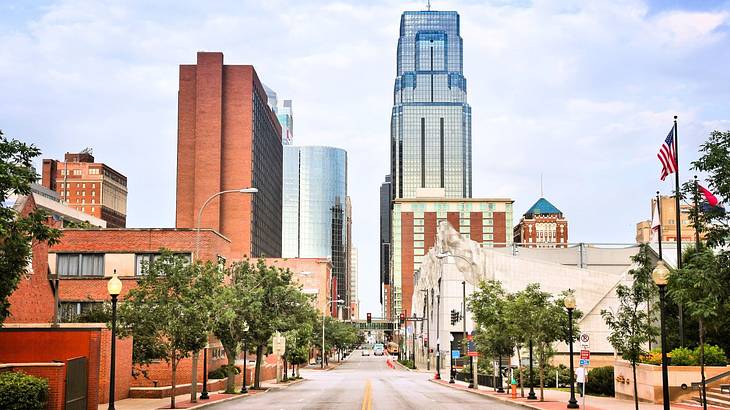

Kansas City sits on the Missouri-Kansas state line, but it belongs to Missouri. It is a city built on rail connections, river trade, and a stubborn refusal to follow the rules.
During Prohibition, while most American cities went dry, KC stayed open for business. Jazz flourished. Barbecue became a religion. And a nickname like "Paris of the Plains" suddenly made sense.
That rebellious streak runs through many of Kansas City's alternate names. Some celebrate what the city has built. Others reflect on where it sits. All of them say something about a place that has never been content to blend in. Here are 10 Kansas City nicknames and the stories behind them.
10 Nicknames for Kansas City

The City of Fountains
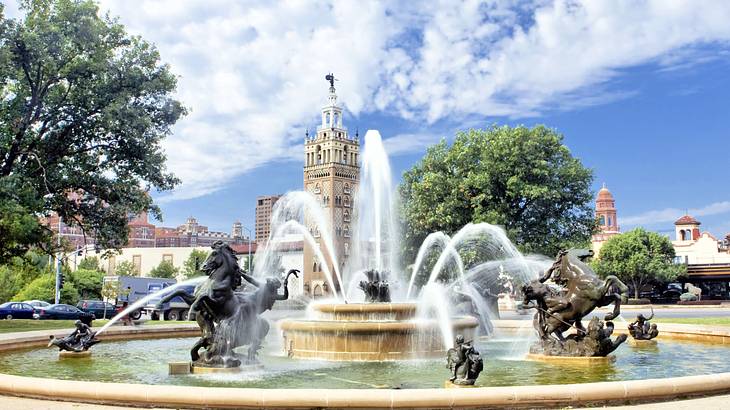
Kansas City has more than 200 registered fountains, more than any city in the world outside of Rome. The tradition dates back to the late 1800s, when the first fountains were built as water troughs for horses. Over time, residents began adding intricate sculptures and designs to them.
Today, fountains are scattered across the metro, from the famous Mill Creek Park Fountain near the Country Club Plaza to the Henry Wollman Bloch Fountain outside Union Station. Every April, the city celebrates Fountain Day, when all 48 publicly operated fountains are turned back on for the season.
Cowtown
Kansas City's cattle industry made it one of the most important livestock centers in the country. The city's stockyards, located on both sides of the state line, grew rapidly after the first railroad bridge crossed the Missouri River in 1869.
For decades, KC was a major hub for processing and shipping meat. The industry declined through the mid-20th century, and the stockyards eventually closed. But the nickname has outlasted the industry. You can still see an ode to it in Mulkey Square Park, which features a large bull sculpture.

The Cradle of Jazz
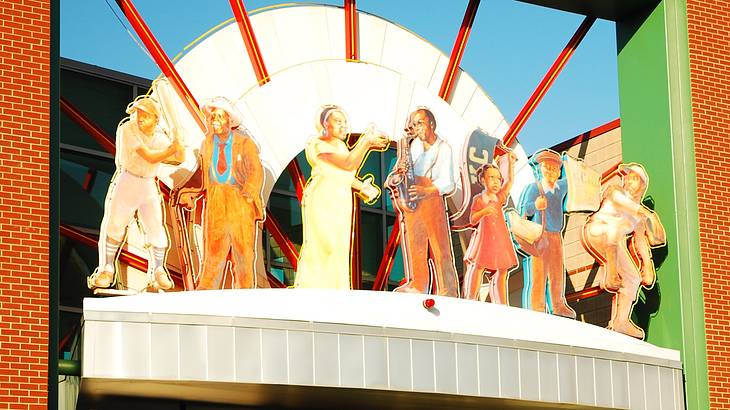
Jazz was born in New Orleans, but it grew up in Kansas City. In the 1920s and 1930s, political boss Tom Pendergast kept the city open during Prohibition, allowing alcohol to flow freely. Musicians from across the country flocked to KC for the work. At its peak, jazz could be heard in more than 100 venues across the city.
The 18th and Vine district became the epicenter of the scene, and a distinctive Kansas City jazz style emerged. Musicians like Count Basie, Charlie Parker, and Mary Lou Williams all shaped their sound here. The American Jazz Museum in the 18th and Vine Historic District preserves that history.
KC
"KC" is the simplest and most widely used shorthand for Kansas City. Locals, businesses, and government organizations all use it. You will see it on everything from the KC Port Authority to the KC Symphony and Ballet. There is no deeper origin story here. It is just a practical abbreviation that has become part of the city's identity.

The Gateway to the Southwest
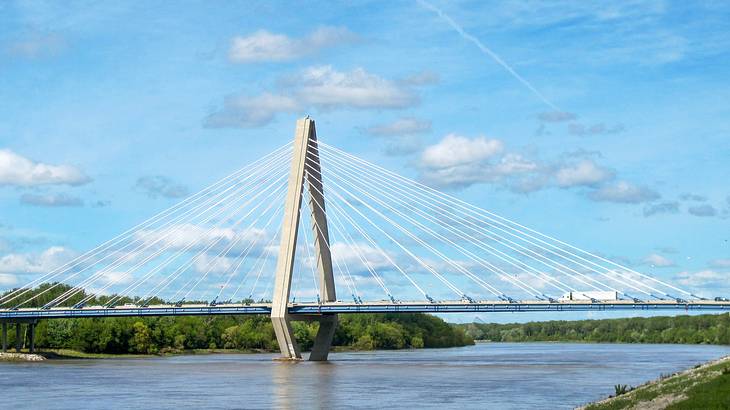
Kansas City established itself as the "Gateway to the Southwest" in the late 1800s, when its rail connections made it a key transfer point for people and goods heading into the southwestern states.
As the railroad expanded, KC became a hub for industries serving the Southwest. The nickname stuck through the early 20th century and, while less common today, still appears in historical references to the city.
KCMO
"KCMO" adds the state abbreviation to distinguish Kansas City, Missouri, from Kansas City, Kansas. It is used less often than KC in everyday conversation but appears in local media, like the KCMO radio station, and in city government contexts. It is a practical label more than a nickname, but locals recognize it immediately.
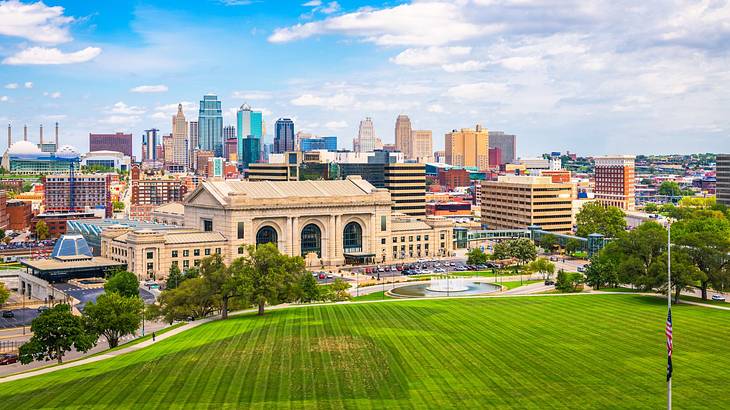

The Paris of the Plains
This nickname came about during the Prohibition era. While most American cities shut down their nightlife, Kansas City ignored the law. Jazz clubs, gambling parlors, and speakeasies lined 12th Street, and the city's cultural scene rivaled that of any other city in the country.
The comparison to Paris also drew on KC's physical resemblance to the French capital. The city's wide boulevards and abundant fountains gave it a European feel. Kansas City is believed to have more boulevards than any US city outside of Paris.
The KC Public Library dates the nickname to the late 1920s and 1930s, when the city's reputation as a freewheeling cultural hub was at its height.
The Soccer Capital of America
Kansas City has deep ties to soccer. It is home to Sporting Kansas City in Major League Soccer and the Kansas City Current of the National Women's Soccer League. Children's Mercy Park has also hosted numerous US men's national team matches, helping KC build a reputation as one of the country's most passionate soccer cities.
Visit KC uses the "Soccer Capital of America" label in its marketing, and the 2026 FIFA World Cup, with matches at nearby GEHA Field at Arrowhead Stadium, is expected to reinforce the title.

The BBQ Capital of the World
Kansas City barbecue is its own style, defined by slow-smoked meats and thick, sweet, tomato-based sauce. The tradition traces back to Henry Perry, who started barbecuing in an outdoor pit near a streetcar barn in the early 1920s.
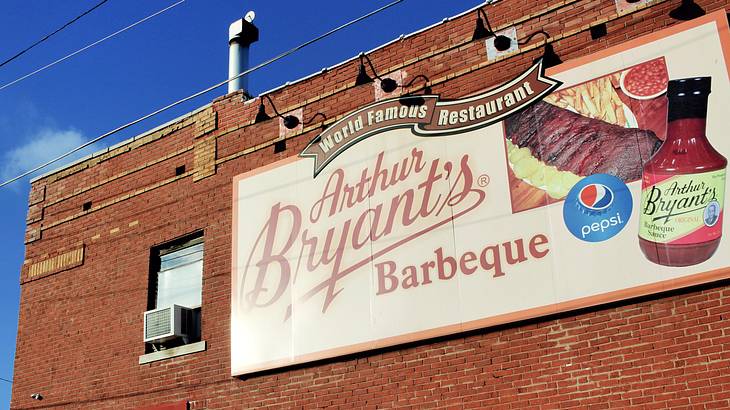
The city claims to host the world's largest barbecue contest every fall at the American Royal. Arthur Bryant's Barbeque, one of the most famous BBQ spots in the country, is also here. Texas and Memphis both contest the title, but KC locals are not interested in sharing.
The Heart of America
This is one of Kansas City's oldest and most enduring nicknames. It was coined in 1914 by local lawyer Edward J. Shannahan, who was handling publicity for the national convention of the Fraternal Order of the Eagles. He wanted a catchy phrase to promote the city, and "Heart of America" stuck.
The nickname reflects KC's position near the geographic center of the US. It became the city's official identity for at least two decades and inspired a march composition by bandmaster Arthur Pryor during World War I. Local businesses and events still carry the name today, including the Heart of America Shakespeare Festival.
In Conclusion
Kansas City's nicknames span centuries of history. The Cowtown and Gateway to the Southwest names date back to the railroads and stockyards. The Paris of the Plains and the Cradle of Jazz belong to the Prohibition era, when the city was among the liveliest in the country. And the City of Fountains is still earned every April, when dozens of them come back to life.

Want to keep exploring?
Subscribe for our latest guides.
Thank you for subscribing
We will be in touch soon with our latest guides.
Want to keep exploring?
Subscribe for our latest guides.
Thank you for subscribing
We will be in touch soon with our latest guides.