
10 North Carolina Nicknames and Their Origins

Destguides may receive commissions from purchases made through affiliate links in this article.
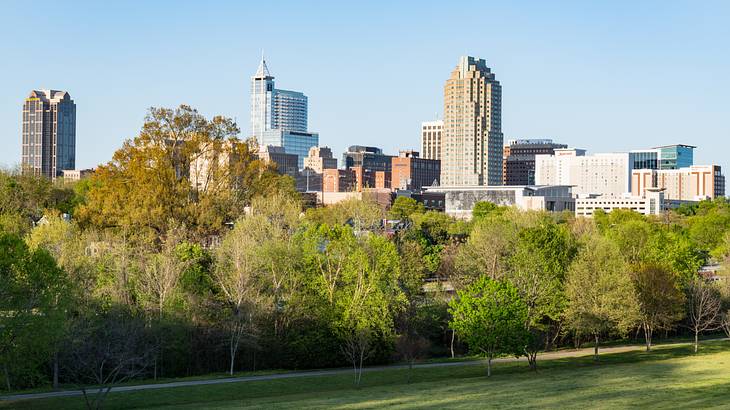

North Carolina has a rich and fascinating history. It became the 12th state to join the Union after the American Revolution, which ended British rule under King George III. A few decades later, in 1861, North Carolina seceded from the Union during the Civil War.
Over the centuries, the state has picked up many colorful nicknames that reflect its history, geography, and culture. Ever wondered how North Carolina became known as the "Tar Heel State?" Or why it's sometimes called "The Land of the Sky?"
In this article, we'll explore 10 interesting North Carolina nicknames and the stories behind them, including why the state's license plates proudly display the slogans "First in Freedom" and "First in Flight." Continue reading to learn more.
10 Nicknames for North Carolina

First in Freedom
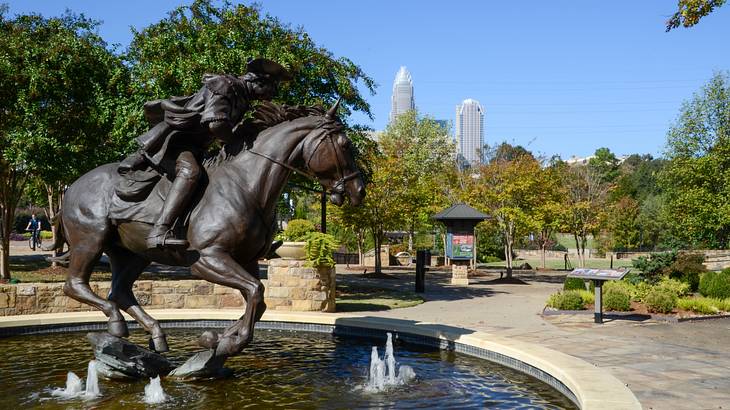
This bold nickname highlights North Carolina's early push for independence from British rule. It refers to two key milestones: the Mecklenburg Declaration of 1775, which locals claim was the first call for freedom in the colonies, and the Halifax Resolves of 1776, which formally endorsed breaking from Britain.
These revolutionary acts earned North Carolina bragging rights and a spot for both dates on the state flag and the Great Seal. To commemorate this legacy, the N.C. Division of Motor Vehicles unveiled a "First in Freedom" license plate in 1975, designed by amateur historian Charles Robinson.
The plate featured the motto along with the two historic dates. However, it wasn't officially issued until January 2015, following approval by the General Assembly in 2014.
First in Flight
Born and raised in Dayton, Ohio, the Wright brothers — Orville and Wilbur — are celebrated in North Carolina for achieving the world's first powered, controlled, and sustained flight of a heavier-than-air aircraft.
On December 17, 1903, just south of Kitty Hawk at Kill Devil Hills, they took turns flying their self-built, motorized Wright Flyer. The final flight of the day, piloted by Wilbur, lasted 59 seconds and covered 852 feet.
To honor their achievement, the Wright Brothers National Memorial was established at the historic site, where visitors can walk the flight paths and explore full-scale replicas.
In 1982, North Carolina adopted the slogan "First in Flight" for its standard license plates, where it remains a proud symbol of the state's aviation legacy.
The Good Roads State
This nickname dates back to the 1800s, alongside North Carolina's Good Roads Movement, which pushed for better transportation infrastructure across the state.
As communities lobbied for improved roads, legislators and civic leaders responded, creating state highway commissions and supporting bond issues to modernize routes.
These efforts gradually linked rural areas to towns and cities, facilitating trade, travel, and growth. Over time, "The Good Roads State" became a shorthand for North Carolina's commitment to connectivity and modernization. Even now, it remains a nostalgic nod to the state's early infrastructure ambitions.
Variety Vacationland
Though less commonly used today, the nickname "Variety Vacationland" celebrates North Carolina's rich mix of attractions. From the majestic mountains and scenic Blue Ridge Parkway to the sandy beaches of the Outer Banks, the state offers diverse natural beauty that draws travelers year-round.
Beyond its landscapes, North Carolina's vibrant cities like Charlotte and Asheville provide thriving arts scenes, culinary delights, and cultural experiences. Historic sites scattered throughout the state add depth to any visit.
This nickname captures North Carolina's unique blend of nature, culture, and history — reminding visitors that the state truly has something for everyone.

The Land of the Sky
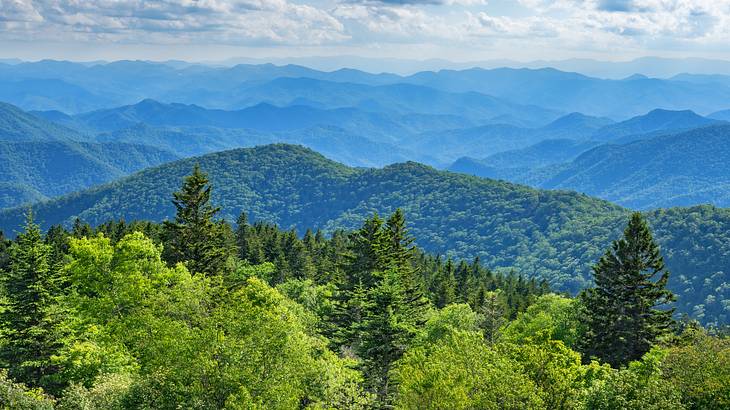
A North Carolina nickname perhaps best known to locals, "The Land of the Sky," originates from the title of an 1876 novel by prolific American author Frances Christine Fisher Tiernan, who wrote under the pen name Christian Reid.
In her book The Land of the Sky, she vividly described the stunning Blue Ridge Mountains and the Great Smoky Mountains that define western North Carolina.
The phrase has since become a cherished nickname not only for the state but also for the city of Asheville, which is nestled between these two iconic mountain ranges. Asheville proudly embraces The Land of the Sky title, highlighting its breathtaking mountain vistas and natural beauty.
Tar Heel State
North Carolina is home to vast forests of longleaf pine, which historically were tapped for valuable products like turpentine and tar. From the early 1700s through the late 1800s, the state was the world's largest producer of these naval stores. This industry played a key role in shaping North Carolina's identity.
During the American Civil War, soldiers from North Carolina were nicknamed "Tar Heels" and sometimes "Rosin Heels"—terms believed to reflect the sticky tar and resin that came from these pine forests. Despite the nickname's sometimes teasing origins, after the war, North Carolinians embraced the Tar Heel moniker with pride.
Today, the nickname lives on in the state's identity and is famously associated with the University of North Carolina's athletic teams, known as the North Carolina Tar Heels.
The Rip Van Winkle State
"The Rip Van Winkle State" is a nickname North Carolinians might prefer to forget. It emerged in the 19th century, when critics described the state as stagnant and slow to modernize—much like the fictional character Rip Van Winkle, who famously slept for 20 years in Washington Irving's tale.
From roughly 1815 to 1835, North Carolina lagged behind other states in building infrastructure, investing in public education, developing seaports, and encouraging industrial growth. The state's leadership, dominated by the Democratic-Republican Party, was often criticized for its political apathy and resistance to progress.
The nickname gained traction after a letter to The North Carolina Farmer described the state as being in a "Rip Van Winkle agricultural sleep." This widely quoted line helped cement the image of a state asleep while the rest of the nation moved forward.
Fortunately, constitutional reforms in 1835 helped awaken North Carolina from its slumber, ushering in a period of development and modernization. While the nickname still lingers in historical accounts, the state has long since outgrown its sleepy reputation.

The Goodliest Land
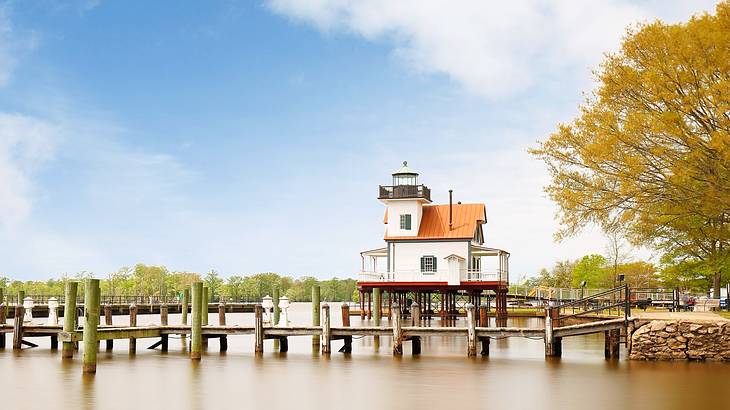
This poetic nickname has roots reaching back to the earliest English exploration of the American South. In 1585, English explorer Ralph Lane, the first governor of the Roanoke Colony, wrote a glowing account of the region in a letter to Sir Walter Raleigh.
At the time, the area considered "Virginia" included much of present-day North Carolina. Lane praised the land's "wholesome and pleasant" climate and rich natural beauty. His most enduring phrase described North Carolina as "the goodliest soil under the cope of Heaven."
Over time, that praise evolved into the nickname: "The Goodliest Land." It remains a favorite among locals proud of their state's natural beauty — and few would disagree with Lane's original sentiment.
Turpentine State
Before North Carolina was known as the Tar Heel State, it carried a lesser-known but deeply rooted nickname: "The Turpentine State." This moniker also dates back to the 18th and 19th centuries, when North Carolina was a world leader in the production of naval stores, like tar and turpentine (as previously mentioned).
Turpentine was essential for sealing wooden ships and fueling lamps, and much of it came from the labor of enslaved people and, later, impoverished workers in the rural South.
Though the nickname faded over time, the Turpentine State serves as a historical reminder of North Carolina's industrial past and its critical role in America's maritime economy.
The Old North State
The "Old North State" is another cherished nickname for North Carolina. It dates back to the early 1700s, when the original Carolina colony was divided into North and South Carolina.
North Carolina, having been more extensively settled at the time, earned the title The Old North State. This nickname isn't just a term of endearment—it holds an official place in state pride. It's the title of the state toast and also the state song.
The song "The Old North State" was written in 1835 by North Carolina Supreme Court Justice William Gaston and was first performed publicly at a Whig Party mass meeting in 1840. Although popular for decades, it wasn't officially adopted as the state song until 1927.
Conclusion
Now that you've explored the history behind North Carolina's nicknames and slogans, you have a glimpse into how these monikers became more widely recognized.
Let this be your starting point to discover even more stories and traditions that make North Carolina unique — a great way to get inspired for your next trip to the state!

Want to keep exploring?
Subscribe for our latest guides.
Thank you for subscribing
We will be in touch soon with our latest guides.
Want to keep exploring?
Subscribe for our latest guides.
Thank you for subscribing
We will be in touch soon with our latest guides.