
10 Tulsa Nicknames and the Stories Behind Them

Destguides may receive commissions from purchases made through affiliate links in this article.
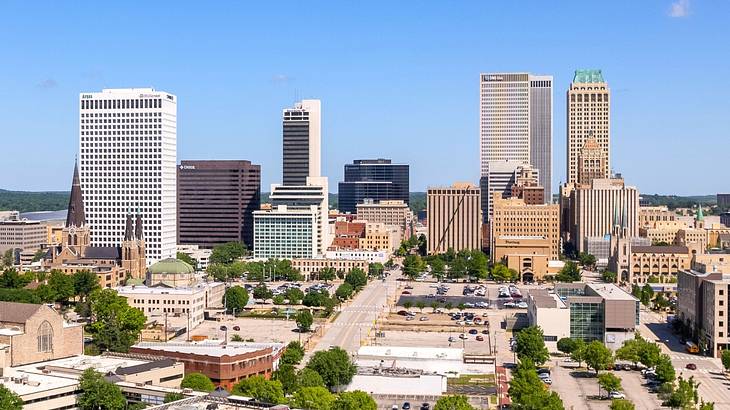

Tulsa was a small Creek settlement called Tulasi before the railroad arrived in 1882, and oil was struck nearby in 1901. Within a generation, it had gone from a frontier town to one of the wealthiest cities in the country. That kind of rapid change leaves a mark, and in Tulsa's case, it left a long list of names.
Some of these Tulsa nicknames point to the oil money that built the city's skyline. Others trace back to Route 66, the region's natural landscape, or the Muscogee (Creek) people who named the settlement in the first place. Keep reading to find out what each nickname means and how it came about.
10 Nicknames for Tulsa
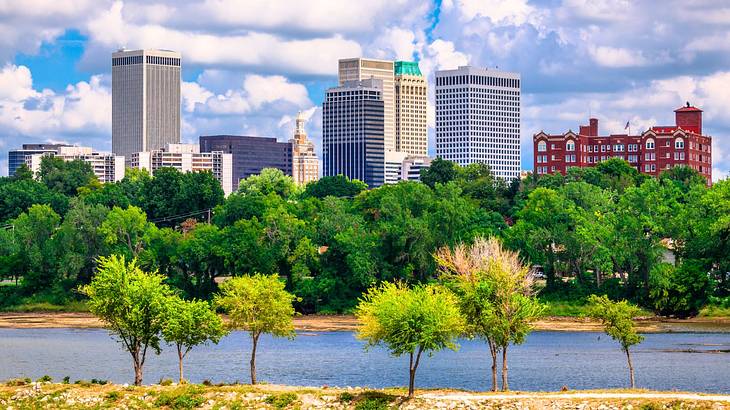

America's Most Beautiful City
In the June 1957 issue of Reader's Digest, writer Daniel Longwell described Tulsa as one of the finest-looking cities in the country, citing its parks, landscaping, and well-kept public buildings. The nickname caught on and became a point of local pride for years afterward.
The title has faded since then, but it still shows up on souvenirs and in local conversation. Efforts to restore the city's infrastructure and public spaces have kept the phrase alive as an aspiration, if not a current nickname.
Mecca for Arts in Oklahoma
Tulsa's arts scene runs deeper than most visitors expect. The city has a professional ballet company, an opera, and multiple theater venues that host regular productions.
Public art and sculpture installations dot the downtown area, and institutions such as the Philbrook Museum of Art and the Gilcrease Museum draw visitors from across the state and beyond. The "Mecca for Arts in Oklahoma" nickname reflects a significant concentration of cultural activity for a city of Tulsa's size.
The city also goes by the "Cultural Capital of Oklahoma" for the same reasons, though neither nickname gets much use outside of tourism materials and arts coverage.

The Capital of Route 66
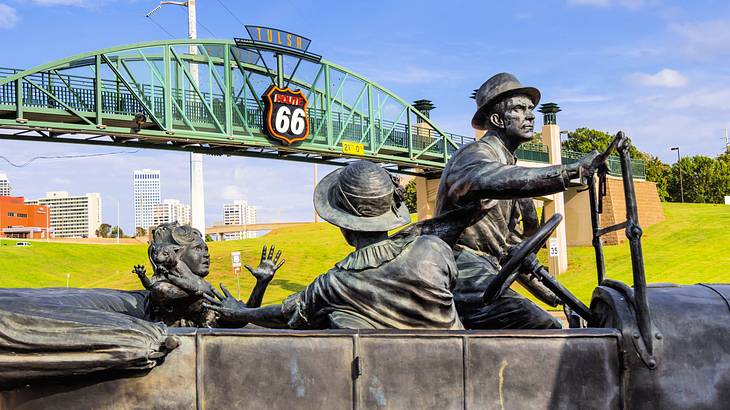
The famous 2,400-mile highway linking Chicago to the California coast owes part of its existence to Tulsa. Local businessman Cyrus Avery was one of the driving forces behind the creation of the route in the 1920s, and the US Highway 66 Association was headquartered in the city during its early years.
Tulsa still celebrates that connection. Route 66 signage, museums, and roadside attractions remain a draw for visitors tracing the old highway, and "The Capital of Route 66" title is a source of local pride.
The Buckle of the Bible Belt
The Bible Belt stretches across much of the southern US. Several cities have claimed the "Buckle" title over the years, like Nashville, Tennessee.
Tulsa earned the label thanks to its heavy concentration of churches and Christian organizations, along with institutions like Oral Roberts University, the evangelical school founded in 1962, and RHEMA Bible Training College in nearby Broken Arrow. The nickname is not widely used in casual conversation and tends to show up mainly in political or religious writing about the region.
Magic City
When oil was discovered at nearby Red Fork in 1901, Tulsa was home to fewer than 1,400 people. Four years later, the massive Glenn Pool strike brought even more wealth to the area, and the population exploded. By 1920, more than 72,000 people lived in the city.
That speed of growth is what gave Tulsa its "Magic City" nickname. People got rich so fast it seemed like magic, and the city transformed from a small cattle and trading town into a regional power in less than two decades. This nickname is most commonly found in historical texts or articles about Tulsa's history.

Green Country
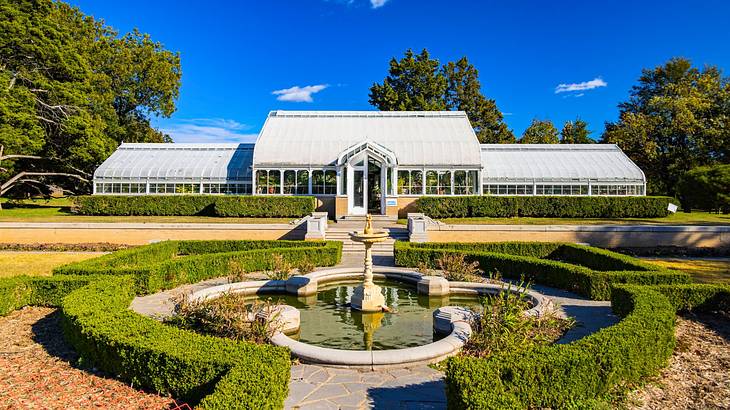
Northeastern Oklahoma is known for its lakes, prairie grass, and rolling green hills, a contrast to the drier, flatter terrain in the western part of the state. The region is called "Green Country," and Tulsa sits within it.
The nickname originally referred to the broader northeast Oklahoma region, but because Tulsa is the largest city in it, the name has become closely associated with the city itself. It appears regularly in tourism materials and local media.
Tulsey Town
Before Tulsa had its current name, the Lochapoka band of the Muscogee (Creek) people settled the area in the 1830s after being forced from their homeland in Alabama.
They named their settlement Tulasi, a Muscogee word meaning "old town." When white settlers arrived after the railroad came through in 1882, they adapted the name to "Tulsey Town."
The city eventually shortened its name to Tulsa, but Tulsey Town still appears on souvenirs and in historical writing about the city's early days.
T-Town
"T-Town" is one of Tulsa's most widely used nicknames. It plays off the older Tulsey Town name and follows a common pattern of using a city's first letter plus "town" as casual shorthand.
The nickname has been part of local speech for decades, appearing in all kinds of contexts. It has been used in connection with the city's music scene and its sports teams, and it appears on souvenirs, in local media, and on sports jerseys.

The 918
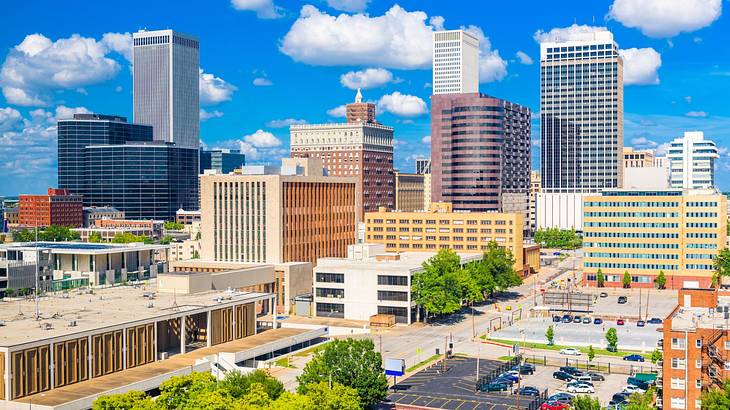
Tulsa's most commonly used area code is "918," and over time, residents have used the number as a nickname for the city. It is most popular among younger generations and shows up frequently on social media, in local event coverage, and in articles profiling Tulsa residents.

The Oil Capital of the World
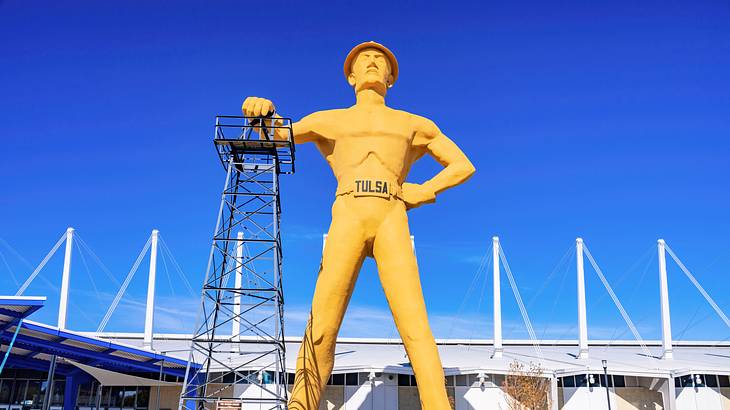
For most of the first half of the 20th century, Tulsa was the center of the American oil industry. After the Red Fork and Glenn Pool strikes, petroleum companies flooded the city. By 1920, over 400 oil companies were based here, and the city's wealth funded an ambitious skyline heavy on Art Deco architecture.
The title eventually passed to Houston as major companies relocated their headquarters in the mid-1900s, but the nickname stuck in historical writing, local identity, and at sites like the Golden Driller Statue at the Tulsa State Fairgrounds.
In Summary
Most cities earn one or two nicknames and call it a day. Tulsa has kept accumulating them because its story keeps changing. Oil money, a famous highway, a devastating massacre, and an area code have all ended up in the mix. The names don't always agree with each other, but they don't need to. They just need to be honest about where they came from.

Want to keep exploring?
Subscribe for our latest guides.
Thank you for subscribing
We will be in touch soon with our latest guides.
Want to keep exploring?
Subscribe for our latest guides.
Thank you for subscribing
We will be in touch soon with our latest guides.