
14 Nicknames for Portland, Oregon You Should Know

Destguides may receive commissions from purchases made through affiliate links in this article.
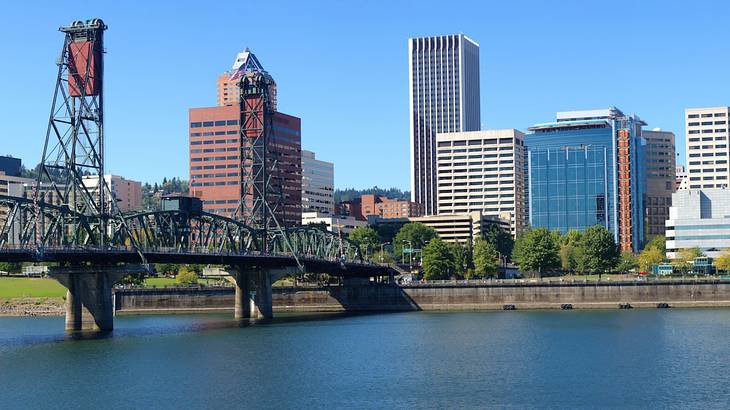
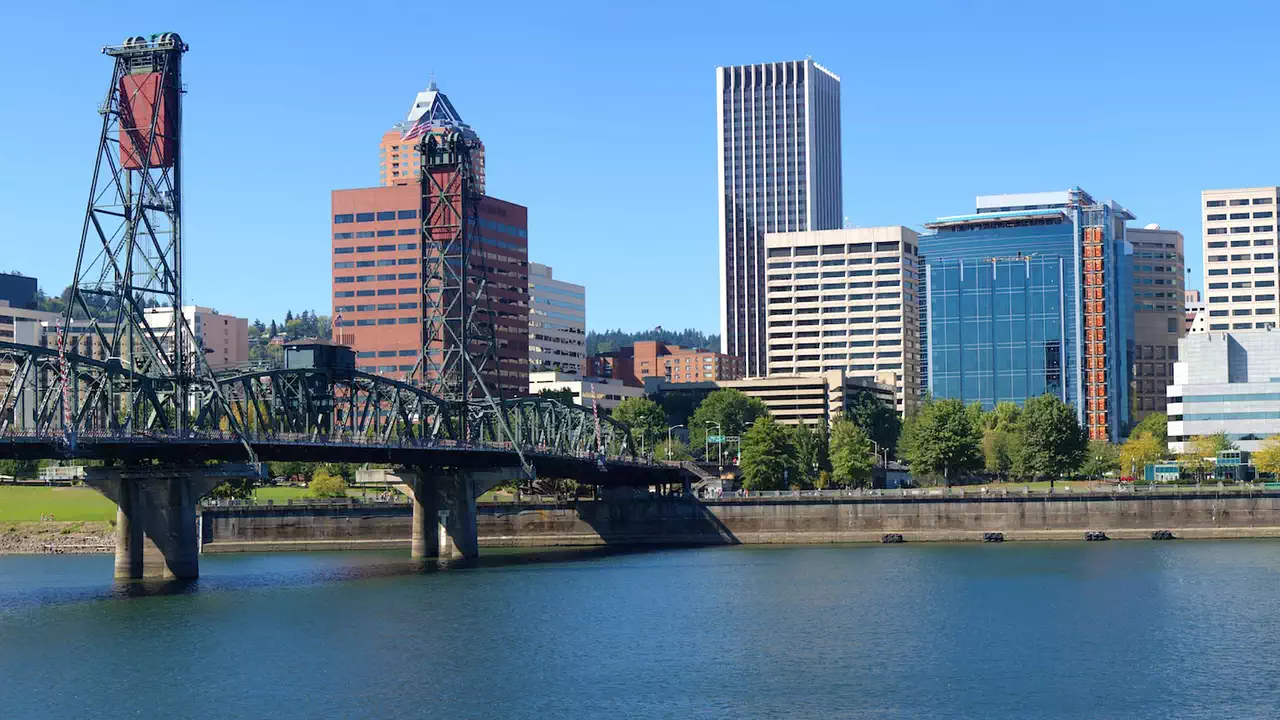
Portland sits at the meeting point of two rivers, the Willamette and the Columbia, in the upper left corner of the country. It is a city of bridges, breweries, roses, and rain, where the culture runs as strong as the coffee.
But behind the familiar reputation lies something less obvious: a long and sometimes strange collection of names. Here are 14 nicknames for Portland, Oregon, and the stories behind them.
14 Portland Nicknames
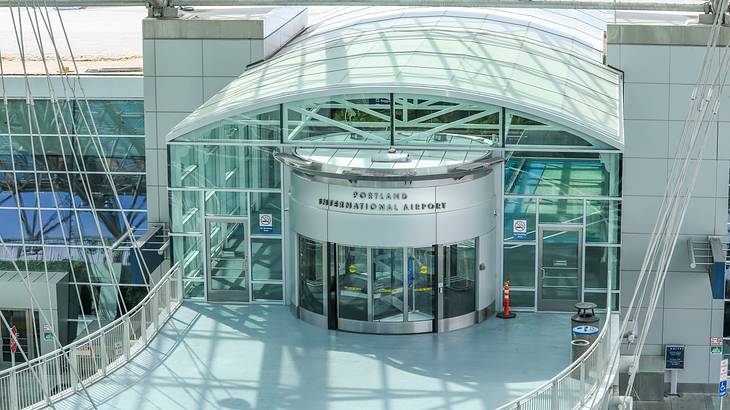

PDX
Most Portlanders use "PDX" as shorthand for the whole city, not just the airport. The three letters come from the International Air Transport Association code for Portland International Airport. It started as PD, a two-letter weather station identifier, and picked up the X when airport codes expanded to three letters in the 1940s.
The nickname also helps distinguish Oregon's Portland from Portland, Maine. Portland State University even adopted pdx.edu as its domain, and the abbreviation now turns up on everything from bumper stickers to business names.
Biketown
Portland hosts the world's largest World Naked Bike Ride every summer, and the city is often considered one of the most bikeable in the United States. The "Biketown" nickname, though, is specifically tied to the bike-share program of the same name.
The Portland Bureau of Transportation launched it in 2016 in partnership with Nike, which is headquartered in the Portland suburb of Beaverton. Cycling remains one of the most common ways to get around the city, and the nickname has stuck well beyond the rental bikes that inspired it.
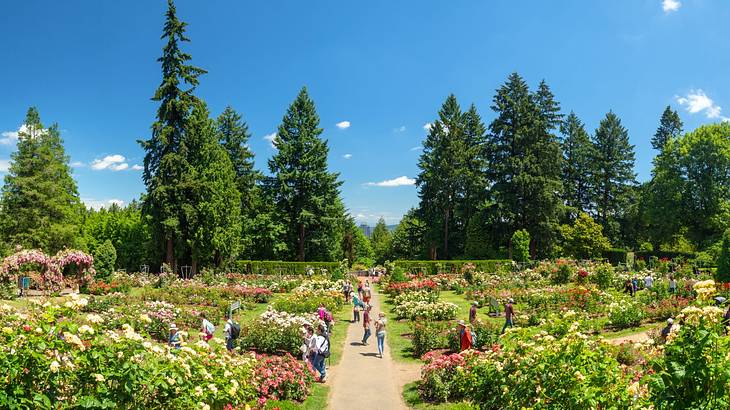

The City of Roses
Portland's official nickname dates back to the late 1880s, when the city's mild climate proved ideal for growing roses. In 1888, Georgiana Burton Pittock invited friends and neighbors to exhibit their roses in a tent in her garden. The Portland Rose Society formed the following year.
By 1905, the city had planted the Mme. Caroline Testout rose by the thousands along its streets, lining roughly 200 miles with blooms in anticipation of the Lewis and Clark Centennial Exposition. Mayor Harry Lane called for an annual "festival of roses" that same year, and the first Portland Rose Festival followed in 1907.
The International Rose Test Garden, established in Washington Park, remains the oldest continuously operating public rose test garden in the country. Portland made the "City of Roses" designation official in 2003.
The City of Churches
Portland gathered so many churches in the late 19th century that the Sunday Oregonian compared it to Brooklyn, New York, another city where steeples dominated the skyline. Coverage at the time described spires pointing heavenward in nearly every neighborhood, and the nickname followed naturally.
Today, Portland is one of the least religious major cities in the country, and the "City of Churches" label reads like a postcard from a different era.

Beervana
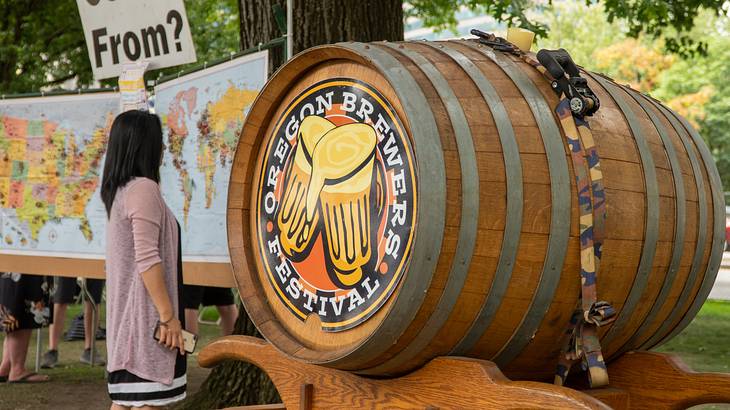
The portmanteau of "beer" and "nirvana" captures Portland's craft-brewing culture with just the right amount of self-awareness. Official estimates put the number of breweries in the city at around 80.
Beer festivals fill the calendar most of the year, from Oregon Craft Beer Month in February to the Oregon Brewers Festival every July. The 10-day Portland Beer Week, held every June, is the biggest showcase of local breweries.
Silicon Forest
A riff on Silicon Valley, the "Silicon Forest" refers to the high-tech corridor running between the western suburbs of Hillsboro and Beaverton. The focus leans toward hardware and manufacturing rather than software, which distinguishes it from its California cousin.
Portland's tech industry dates back to the 1940s, and the Silicon Forest nickname first appeared in the 1980s. Today, the region anchors Oregon's economy through companies like Intel and Tektronix.

The Forbidden City of the West
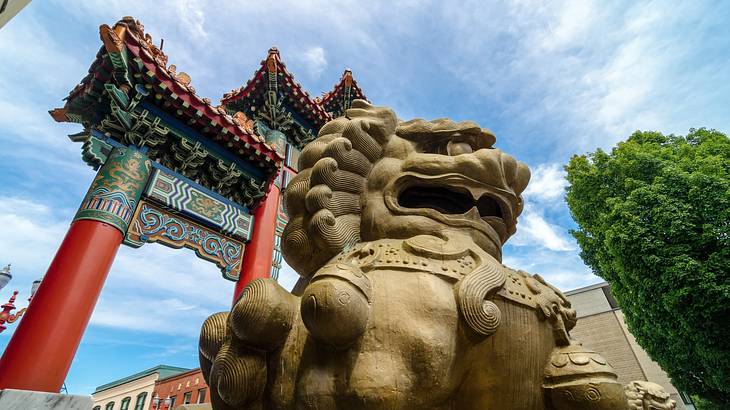
Portland picked up this moniker in the 1800s, a loose reference to Beijing's Forbidden City, inspired by the tunnels running beneath Old Town Chinatown. The Old Portland Underground connects basements in the neighborhood to the Willamette River waterfront.
These corridors, nicknamed the Shanghai Tunnels, were allegedly used to transport Shanghaied sailors, men tricked or forced into servitude on outbound ships by boarding masters. Shanghaiing faded after the federal Seamen's Act of 1915, but the legend and the nickname persist.
P-Town
Simple and affectionate, "P-Town" has been kicking around the local lexicon since the 1990s as another casual way to distinguish Portland in conversation. It never caught on internationally the way PDX did.
The city also shares the nickname with Provincetown, Massachusetts; Puyallup, Washington; and a handful of other P-starting towns, which keeps it firmly local.

Soccer City, USA
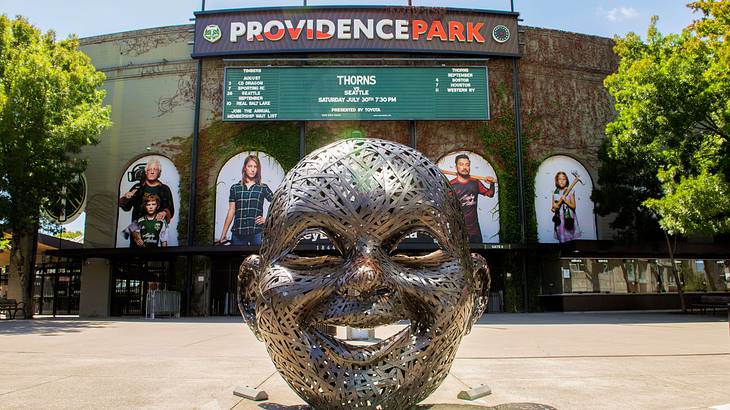
Portland has a long history with soccer. The nickname took hold in 1975, when the original Portland Timbers joined the North American Soccer League (NASL) and packed Civic Stadium beyond capacity in their first season.
Brazilian legend Pelé was photographed at Soccer Bowl '77 in Portland standing in front of a banner that read "Welcome to Soccer City, USA."
The NASL is long gone, but the current Timbers won the MLS Cup in 2015. The Portland Thorns of the National Women's Soccer League have brought the trophy home three times, in 2013, 2017, and 2022.
Stumptown
One of the oldest Portland nicknames, "Stumptown," dates to the mid-1800s when loggers cleared the forested site faster than anyone could grub out the roots. Trees came down quickly for firewood and lumber, but the stumps stayed.
Captain John C. Ainsworth summed up the situation by saying Portland had "more stumps than trees." The name still turns up on coffee bags and in casual reference to the city's logging past.

Bridge City
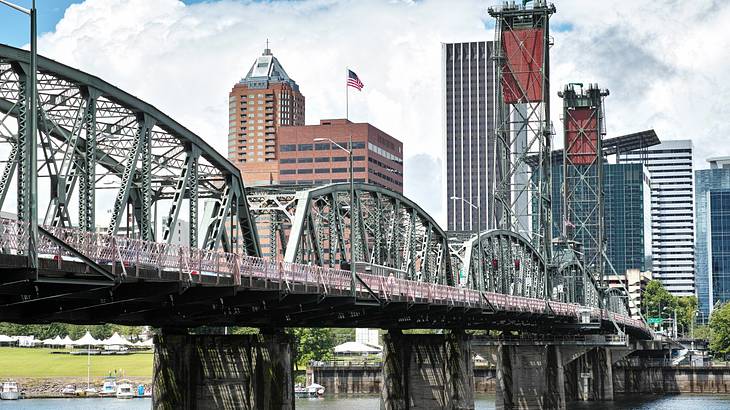
This nickname is as literal as they come. Twelve bridges span the Willamette River as it divides the city into east and west sides, earning Portland the interchangeable nicknames of "Bridge City" and "Bridgetown."
The Steel Bridge opened in 1912 and still carries trains, cars, buses, pedestrians, and cyclists. The Tilikum Crossing, completed in 2015, is the newest of the twelve and the only one that bans private cars.
Rip City
This one came from a single moment of broadcaster improvisation. During the Portland Trail Blazers' inaugural season in 1971, in a game against the Los Angeles Lakers, guard Jim Barnett launched an ill-advised deep shot. It went in.
Blazers play-by-play announcer Bill Schonely shouted "Rip City!" into the microphone. Over the years, he has said he has no idea what the phrase means or where it came from. It stuck anyway, and Rip City now shows up on Blazers jerseys, merchandise, and chants every time the team does something improbable.
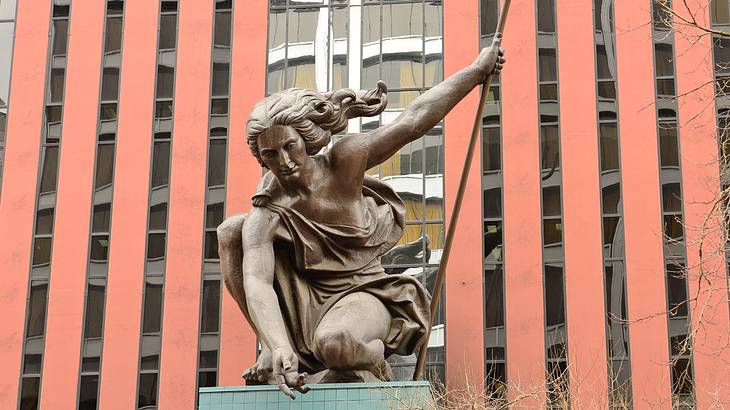

Portlandia
The nickname predates the TV show by decades. Portlandia refers to the statue installed in 1985 above the entrance of the Portland Building downtown. Its design is based on Lady Commerce, the female figure on Portland's official city seal.
The statue is one of the city's most-visited landmarks and the second-largest copper repoussé statue in the country, behind only the Statue of Liberty.
Puddletown
Rain is part of the Pacific Northwest package, and Portland leans into it with a self-deprecating nickname. "Puddletown" references the 36 inches of rain the city averages each year. The wettest stretch runs from November through January. Summer, by contrast, is dry enough to make the nickname feel out of season.
In Summary
Most of these names weren't handed down by any official body. They came from newspapers, tourists, and locals with a soft spot for a good nickname.
That's part of why the list feels distinctly Portland. The city tends to earn new ones anyway. Whatever turns up on the next hoodie or beer can will probably stick.

Want to keep exploring?
Subscribe for our latest guides.
Thank you for subscribing
We will be in touch soon with our latest guides.
Want to keep exploring?
Subscribe for our latest guides.
Thank you for subscribing
We will be in touch soon with our latest guides.