
9 Pennsylvania Nicknames | The Keystone State

Destguides may receive commissions from purchases made through affiliate links in this article.
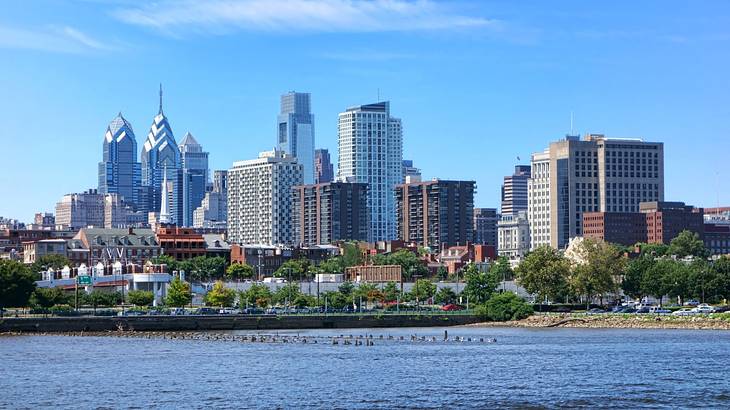

Pennsylvania is one of the oldest states in the U.S., originally established as one of the Thirteen Colonies. Its Quaker State nickname dates back to 1681, but that's only the beginning. Over the centuries, Pennsylvania has collected several additional names that reflect its rich history and industrial growth.
Often called the Birthplace of America, Pennsylvania played a pivotal role in the Nation's founding, serving as a gathering place for key political figures in the late 1700s. Later, as its steel and manufacturing industries flourished, nicknames like the Steel State emerged, celebrating its economic influence.
In this article, you'll learn about nine Pennsylvania nicknames and the stories behind them. If you're ready to explore the many names of this historic state, continue reading!
9 Nicknames for Pennsylvania


Quaker State
The "Quaker State" nickname dates back to the founding of the state of Pennsylvania. The colony was established by English Quakers, a religious group led by William Penn, who sought a place where they could practice their faith freely.
In 1681, King Charles II of England granted Penn a royal charter for the land as repayment for a debt owed to his father, a naval officer and politician. Penn and his fellow Quakers settled in the area, seeking refuge from the religious persecution they faced elsewhere.
References to Penn and his Quaker heritage are still visible today. Pennsylvania literally means "Penn's woods," and the state university is commonly referred to as "Penn State."
Coal State
Pennsylvania earned the nickname "Coal State" due to the historical prevalence of the coal industry in the region. Coal mining in the state began in the mid-18th century and played a significant role in the growth of Pennsylvania's iron and steel industries.
Production peaked in the early 20th century, and although it declined after World War II, coal remains an important energy source in the state. Today, it supplies a large portion of Pennsylvania's electricity, alongside natural gas and other sources.

The Keystone State
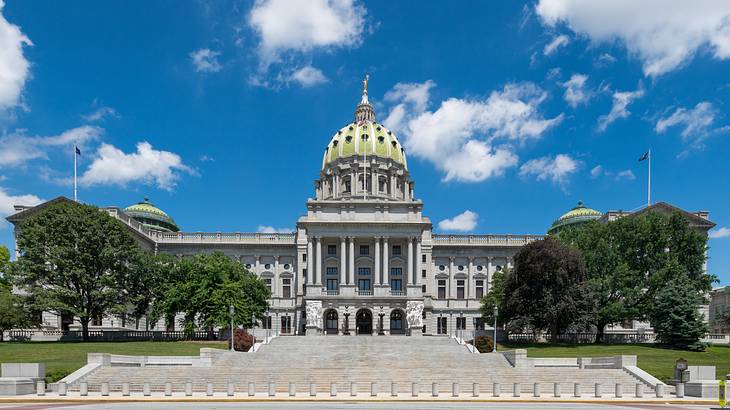
The "Keystone State" is Pennsylvania's official nickname and one of its oldest, dating back to the colonial era. The term "keystone" refers to the central wedge-shaped stone at the top of an arch that holds the structure together.
Pennsylvania got this nickname due to its central role among the original Thirteen Colonies and its significant political and economic contributions during the founding of the United States. It was seen as the state that helped hold the others together.
References to the keystone appear throughout the state, including Keystone State Park, the logos of state agencies, and on Pennsylvania license plates.
Steel State
Another nickname for Pennsylvania is the "Steel State," referring to its role as a leading steel producer in the United States. Pennsylvania's steel industry became a driving force in the economy from the mid-1800s through the late-20th century, especially in Pittsburgh, which earned the nickname "Steel City."
The Pennsylvania Steel Company, established in the 1860s, was among the first in the United States to produce steel commercially, particularly for railroad rails. By the 1960s, the steel industry in Pennsylvania was thriving; however, global competition and technological advancements led to a decline in domestic production over the following decades.
Today, the legacy of the steel industry can still be explored at landmarks like the Carrie Blast Furnaces National Historic Landmark, which serves as a reminder of Pennsylvania's central role in steel manufacturing.

The Commonwealth
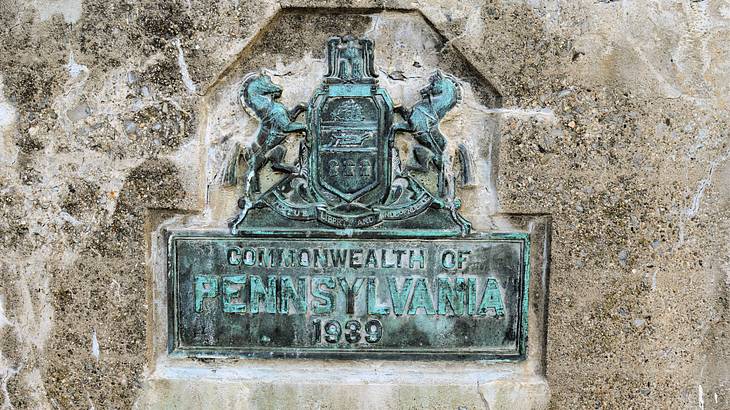
The term "Commonwealth" comes from another name for Pennsylvania, the "Commonwealth of Pennsylvania." It reflects a community founded for the common good and highlights that the state is governed by the consent of its residents rather than a monarchy.
Since the first state constitution in 1776, Pennsylvania has been referred to as a commonwealth in every subsequent constitution. The nickname is widely used by residents but is less common outside the state. Only three other states—Virginia, Massachusetts, and Kentucky—are officially designated as commonwealths.
The Birthplace of America
While you'll hear Pennsylvania called the "Birthplace of America" because of the many pivotal events that took place in the state during the founding of the United States, this nickname is primarily associated with Philadelphia, given its central role during the American Revolution.
Landmarks such as Independence Hall and the Liberty Bell continue to commemorate the state's role in U.S. history. Independence Hall is where the Declaration of Independence was adopted on July 4, 1776, and later where the United States Constitution was signed in 1787.
These events cement Pennsylvania's reputation as a key location in the Nation's founding, earning the state its well-known moniker.

The Oil State
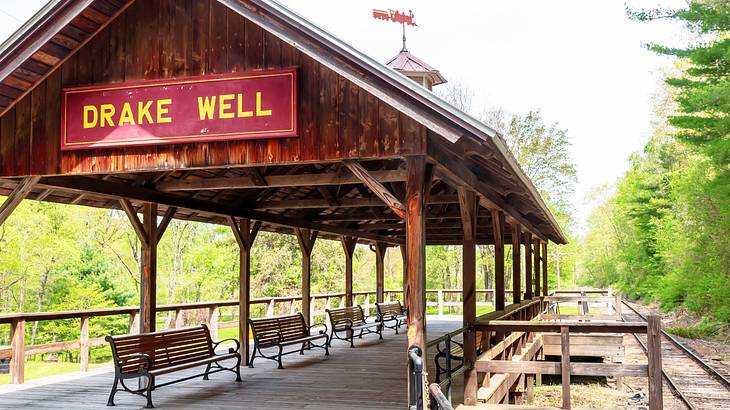
Another Pennsylvania nickname is the "Oil State," which reflects the state's early importance in the American oil industry. Oil was first discovered in Titusville in 1859, sparking the Pennsylvania Oil Rush and marking the start of large-scale commercial oil production in the United States.
Production increased throughout the latter half of the 19th century and reached its peak in the 1890s. Today, Pennsylvania still produces oil, although its modern output is significantly smaller compared to major producers such as Texas, New Mexico, and North Dakota.
The Unavoidable State
It is not the most flattering nickname, but you might hear Pennsylvania also called the "Unavoidable State." The name comes from the fact that it is hard to avoid passing through Pennsylvania when traveling to or from the Northeast, including New York and the New England region.
But being the Unavoidable State is not all bad. Its proximity to major U.S. cities has helped Pennsylvania grow into an important hub for freight, shipping, and regional travel.
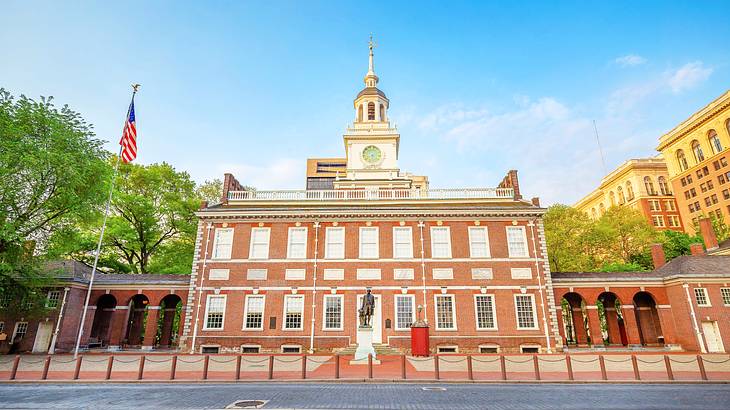

Independence State
Like the Birthplace of America nickname, the "Independence State" (or the State of Independence) once again refers to Pennsylvania's important role in United States history. As mentioned previously, both the Declaration of Independence and the United States Constitution were adopted and signed in the state.
Pennsylvania also saw major Revolutionary War action, including the Battle of Brandywine, the second-largest battle of the war by troop numbers after the Battle of Long Island.
Almost a century later, during the Civil War, President Abraham Lincoln reinforced Pennsylvania's historical importance with his famous Gettysburg Address in Gettysburg.
In Summary
Given Pennsylvania's long and varied history, it's no surprise that the state has so many nicknames. While some, like the Quaker State, are widely recognized, others, such as the Independence State, are less commonly mentioned.
Each moniker offers a glimpse into the state's past, from its colonial roots to its industrial prominence. Whether you live in Pennsylvania or are just learning about it, these nicknames provide a fun way to explore its history and culture.

Want to keep exploring?
Subscribe for our latest guides.
Thank you for subscribing
We will be in touch soon with our latest guides.
Want to keep exploring?
Subscribe for our latest guides.
Thank you for subscribing
We will be in touch soon with our latest guides.