
Nicknames for Utah State | The Beehive State

Destguides may receive commissions from purchases made through affiliate links in this article.
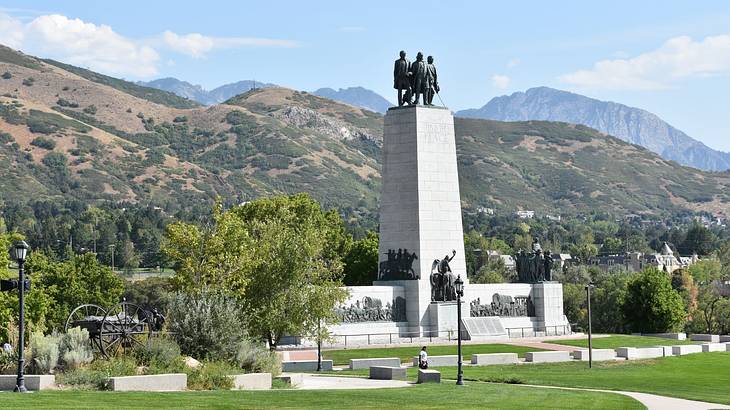

Utah is a rugged state known for its impressive national parks and hardworking people, and many of its nicknames reflect this. The state is also teeming with Mormon influence, which is a crucial part of its identity. For example, the "Land of the Mormons" and the "Deseret State" are names that tell a fascinating story about Utah's history.
Other Utah monikers, such as the "Beehive State," symbolize the hard work and industry that Utah is known for. And there are plenty more names to discover, too. From the "Land of the Saints" to the "Salt Lake State," keep reading to delve into the stories behind some of the most popular names for Utah.
7 Utah Nicknames

The Beehive State
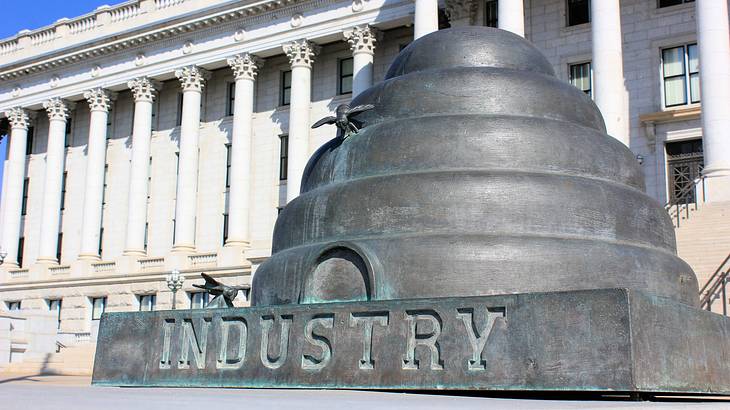
First up is Utah's official nickname, the "Beehive State." Bees, and their accompanying beehive, play a very important role in Utah. The beehive is the state emblem, and you can spot beehives on both the official state seal and flag.
But why is Utah so obsessed with bees? The beehive represents hard work and industry, which is also reflected in the state's motto, "Industry." This symbolism is visible throughout Utah.
The state insect is the honeybee, and the Capitol Building even features a grand staircase flanked by two beehive structures. As the Utah State Capitol is one of Utah's top landmarks, make sure to visit and check out the beehives when you're in Salt Lake City.
The Land of the Saints
Utah is often called the "Land of the Saints" because it was settled by members of the Church of Jesus Christ of Latter-day Saints (the LDS Church), commonly known as Mormons. Members of this church refer to themselves as "saints."
After facing persecution in the eastern United States, they migrated west to a place where they could freely practice their religion. In 1847, they arrived in Utah and established Salt Lake City, which became the state capital.
The nickname the "Land of the Saints" reflects Mormons' religious beliefs. According to the Book of Mormon, Mormons are considered God's chosen people, destined to build a great civilization in Utah. Salt Lake City holds sacred significance for Mormons, who believe it is the place where God will gather His saints in the future.

The Salt Lake State
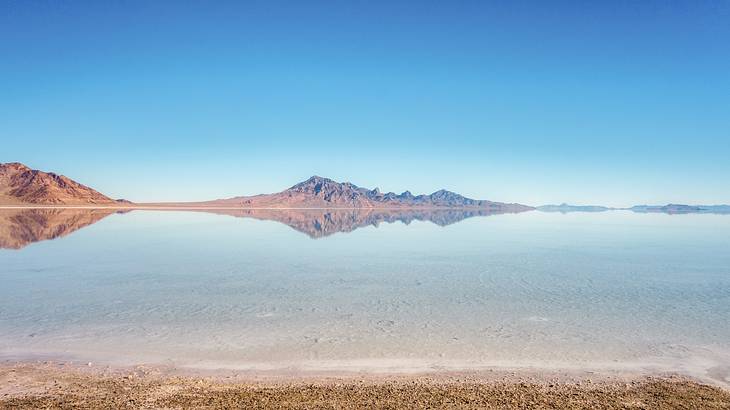
Utah is also known as the "Salt Lake State" because of the Great Salt Lake, the largest saltwater lake in the Western Hemisphere. Located to the northwest of Salt Lake City, the lake is one of the lowest points in the United States.
When the Mormons first arrived and struggled to survive in their new home, they used the salt from the lake to preserve food. The Great Salt Lake continues to play an important role in Utah's history and natural landscape.
The Deseret State
The "Deseret State," or the "State of Deseret," combines Mormon symbolism with Utah's affinity for beehives. In the Book of Mormon, it's believed that early settlers, in their journey to find a place to live near water, brought with them livestock, seeds, and swarms of "Deseret," which translates to "honeybees."
Additionally, "Deseret" was one of the first names proposed for Utah. However, Congress chose to name the state "Utah" instead, after the Ute tribe in the region.

The Land of Zion
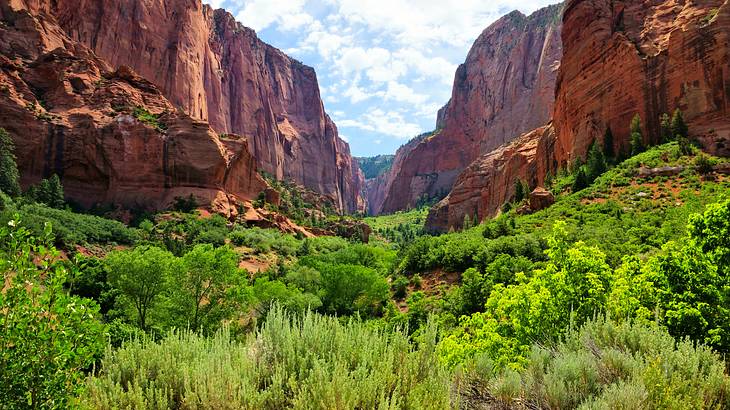
Utah's nickname, the "Land of Zion," reflects the state's natural beauty, similar to the biblical Zion, a holy place of refuge. This is largely due to Zion National Park, once called Zion Canyon, famous for its towering cliffs and slot canyons.
Mormon settlers, drawn to the area, hoped to build a new Zion dedicated to God and his teachings. The nickname is believed to have been first used by Isaac Behunin in 1863 as he was so enamored with the canyon.
He said things such as "This is Zion" and "the City of God," and these phrases eventually became a common way to refer to the entire state.
The Mormon State
The "Mormon State" is another nickname closely tied to the Mormon religion. The church was founded in New York in 1830 when Joseph Smith claimed to have received revelations from God, including the sacred Book of Mormon, which tells the story of ancient peoples who lived in the Americas.
The group initially settled in New York and Ohio, but after facing persecution, they fled to Illinois. After Joseph Smith's death, Brigham Young led the Mormons west in search of a place where they could freely practice their faith. This journey eventually brought them to Salt Lake Valley.

The Land of the Mormons
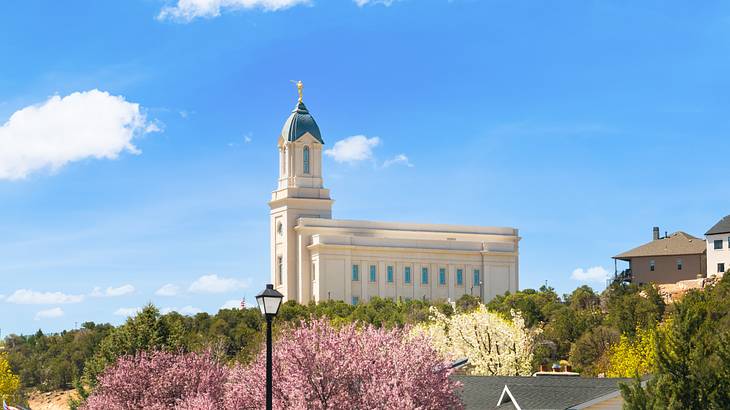
An alternative to the previous nickname for Utah is the "Land of the Mormons." It reflects Utah being the final destination for Mormon settlers due to facing persecution, as mentioned previously. Today, Utah is still home to the largest Mormon population in the US, with more than two million worshippers.
It's important to note, however, that despite Utah's strong historical and cultural ties to the Church of Jesus Christ of Latter-day Saints and the church's significant influence on the state's culture, politics, and social life, Utah has a diverse population.
In Summary
This article covered some of Utah's top nicknames, several of which reflect its Mormon history, like the "Mormon State" and the "Land of the Saints." Others, like the "Beehive State," honor Utahns' hardworking spirit, while the "Salt Lake State" highlights the Great Salt Lake, which was crucial to the Mormons' survival upon arrival.
Whichever nickname you decide to use when in Utah, you'll now be prepared for your next visit to the state. At the very least, you're armed with some fun facts for your next Utah trivia night!

Want to keep exploring?
Subscribe for our latest guides.
Thank you for subscribing
We will be in touch soon with our latest guides.
Want to keep exploring?
Subscribe for our latest guides.
Thank you for subscribing
We will be in touch soon with our latest guides.