
9 Nicknames for Hawaii and Their Histories

Destguides may receive commissions from purchases made through affiliate links in this article.
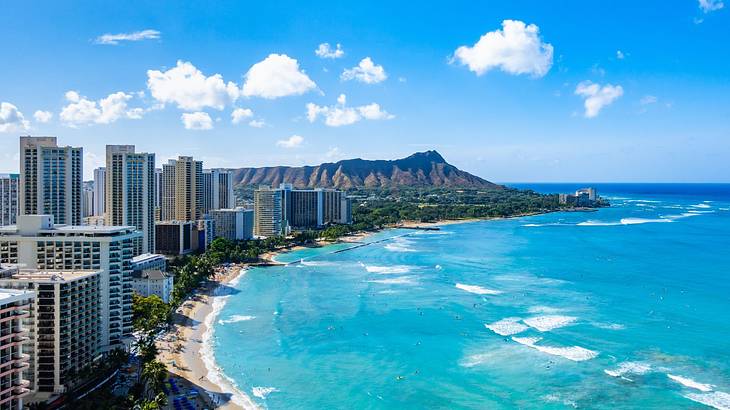

The state of Hawaii evokes images of sun-soaked beaches, swaying palm trees, and crystal-clear ocean waves. It's also home to lush rainforests and the breathtaking Hawaiʻi Volcanoes National Park. Interestingly, Hawaii is the only U.S. state made up entirely of islands—an archipelago of 137 islands in total.
Thanks to this unique geography and rich cultural history, many nicknames for Hawaii have emerged over time. Some highlight its tropical beauty, like Paradise of the Pacific and the Pineapple State, while others reflect its heritage and landscape. Keep reading to discover the stories behind each of these fascinating monikers.
9 Hawaii Nicknames

Paradise of the Pacific
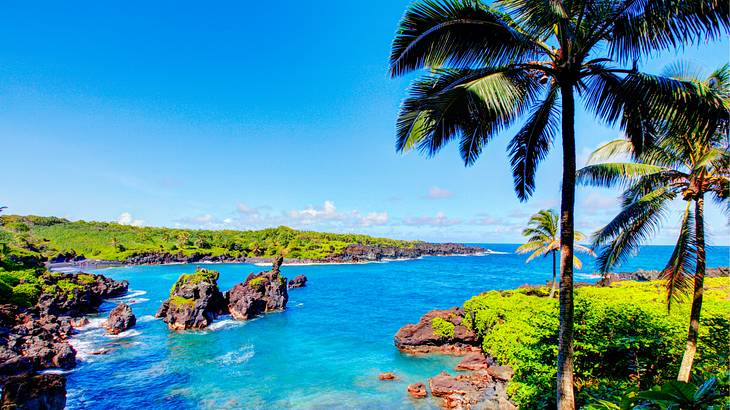
"Paradise of the Pacific" is a nickname for Hawaii that highlights the islands' natural beauty, featuring sunny beaches, clear ocean waters, lush rainforests, and dramatic volcanic landscapes.
Visitors can explore sandy beaches and waterfalls in the West Maui Mountains or take in the view from towering peaks like Mauna Kea. While less commonly mentioned than some other names, this title appears in books and films, and underscores why so many think of Hawaii as a tropical escape.
Crossroads of the Pacific
Hawaii's nickname, the "Crossroads of the Pacific," comes from its central position in the Pacific Ocean between the U.S. mainland and territories such as Guam and the Philippines. This made it a natural stopping point for both commercial and military routes, especially after the Panama Canal opened in 1914, which connected the Atlantic and Pacific Oceans.
The Honolulu Chamber of Commerce helped popularize the nickname in the early 1900s through its publication Honolulu at the Crossroads of the Pacific. Today, visitors can still see a reference to this history at Pearl Harbor in Oahu, where a famous directional sign marks Hawaii's global connections.
Rainbow State
Hawaii is also known as the "Rainbow State" because rainbows are often seen across the islands. A University of Hawaii professor even called Hawaii the "rainbow capital of the world." Kauai, which receives more rainfall than other islands, is especially famous for rainbow sightings.
Rainbows hold cultural significance in Hawaii, symbolizing transformation and natural beauty. The motif appears on license plates and is celebrated through the University of Hawaii's sports teams, known as the Rainbow Warriors and Rainbow Wahine. Whether in nature or in local culture, the rainbow is a symbol closely tied to the islands.
The Fiftieth State
Another Hawaii name, the "Fiftieth State," reflects its position as the last state admitted to the United States. President Dwight D. Eisenhower signed the Hawaii Admission Act on March 18, 1959, and statehood became effective on August 21, 1959.
After joining the Union, the U.S. flag was updated to include all 50 states, with the new design officially adopted on July 4, 1960, symbolizing Hawaii's full integration into the country.

Pineapple State
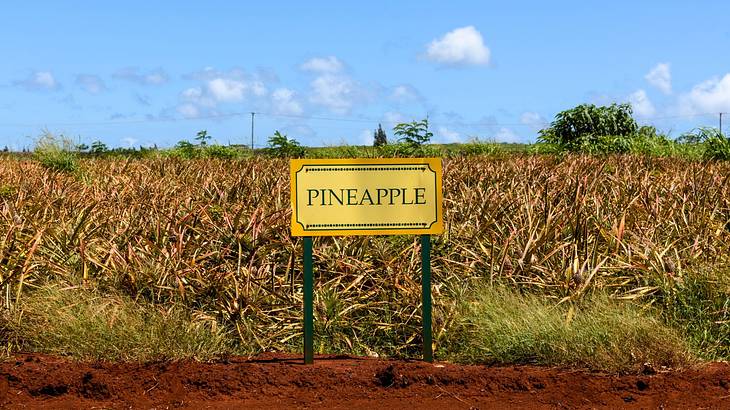
Pineapple production played a significant role in shaping Hawaii's economy and global reputation. In 1901, James Dole founded the Hawaiian Pineapple Company (now Dole plc), which grew into one of the world's largest pineapple producers.
While large-scale commercial production has declined since much of the industry moved off the islands in the late 20th century, pineapple farming remains an integral part of Hawaii's history and identity.
The fruit also holds cultural significance, serving as a symbol of hospitality and tropical abundance. Pineapple can be found in local cuisine, souvenirs, and art, reinforcing its connection to the islands.
The Aloha State
Hawaii's official state nickname, the "Aloha State," was adopted in 1959 by the state legislature to honor the Aloha Spirit embraced by its residents. Today, it appears on license plates and is widely recognized.
The word "aloha" is commonly used to greet or say goodbye, but its deeper meaning reflects core Hawaiian values. The Spirit of Aloha embodies warmth, love, and affection for others, along with a deep respect for both the people and the land. This makes the Aloha State nickname a meaningful tribute to Hawaii's culture and identity.

The Islands of Aloha
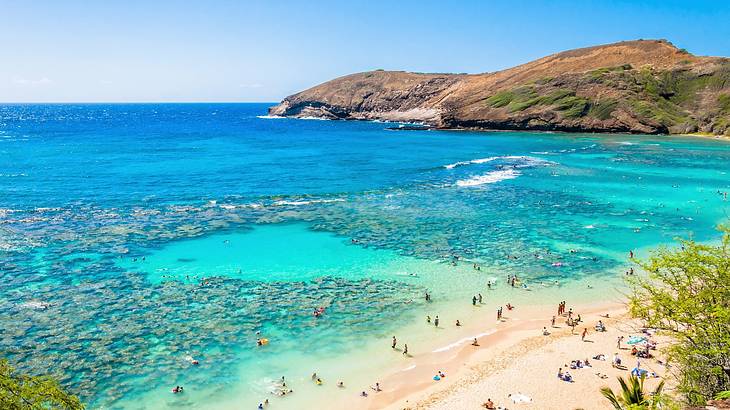
The nickname "Islands of Aloha" once again highlights Hawaii's spirit and connection to the meaning of Aloha. It builds on the state's official nickname, the Aloha State, while acknowledging the archipelago of islands that make up Hawaii.
This name also echoes the mottos of several individual islands. Oahu is often called "the gathering place," and Molokai is known as "the friendly isle." These titles reflect the warmth and hospitality that are central to the Aloha Spirit, making Islands of Aloha a fitting tribute to the culture and people of Hawaii.
The 808 State
The "808 State" is a Hawaiian nickname that comes directly from the state's area code, which was assigned in 1957. Today, it still covers all of Hawaii's residents, from Honolulu to Hilo.
This nickname has become a popular way to represent the islands, reflecting the sense of community and connection found throughout Hawaii. NFL quarterback Marcus Mariota, a Hawaii native, once even wore a football facemask that was customized with "808" in honor of his home state, helping to popularize the nickname.

The Youngest State
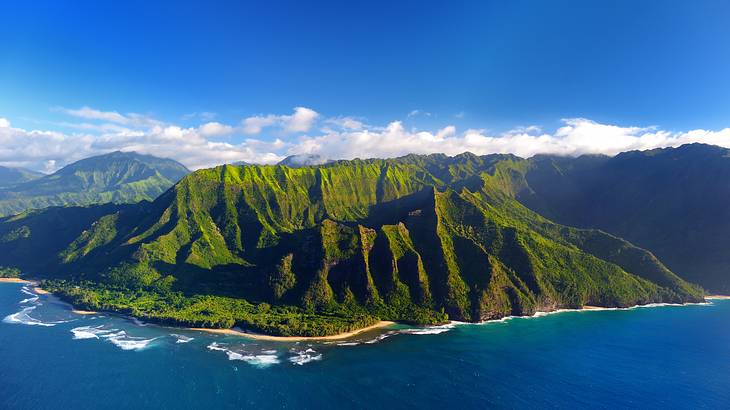
Another Hawaii nickname that shouldn't surprise you is the "Youngest State." As mentioned previously, Hawaii was the last state to join the United States. It follows Alaska, which became the 49th state about eight months earlier.
The nickname also has a geological side. The Hawaiian Islands are among the youngest landmasses on Earth. The Big Island, Hawaii, is the youngest of the main islands, with parts of its landmass formed around 600,000 years ago.
Kaua'i is the oldest, estimated to be around five million years old. These ages reflect the volcanic activity that formed the islands and continue to shape the archipelago today.
In Summary
Some nicknames for Hawaii bring to mind images of sandy beaches and turquoise waves, while others, such as the Fiftieth State and the Youngest State, highlight its place in U.S. history.
Additionally, the Spirit of Aloha, reflected in Hawaii's official state slogan, captures the kindness and warmth the islands are known for. Whichever nickname you feel fits best, one thing's certain: the Aloha Spirit is at the heart of everything that makes Hawaii so special.

Want to keep exploring?
Subscribe for our latest guides.
Thank you for subscribing
We will be in touch soon with our latest guides.
Want to keep exploring?
Subscribe for our latest guides.
Thank you for subscribing
We will be in touch soon with our latest guides.