
23 Unique Nicknames for Chicago Explained

Destguides may receive commissions from purchases made through affiliate links in this article.
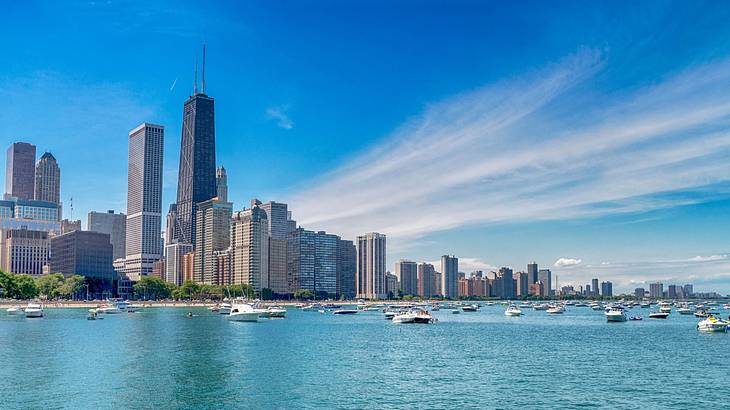

Chicago, in northeastern Illinois, is a city that never slows down. Famous for deep-dish pizza, iconic landmarks, and a vibrant atmosphere, it's a cornerstone of American culture.
The city's energetic, hard-working residents have made Chicago known far beyond its city limits. Visitors from around the world come for business, leisure, and to experience one of the United States' most popular destinations.
Chicago's rich history and dynamic culture have inspired a colorful array of nicknames over the years. Some come from hit songs, others from quirky events or the city's varied landscapes. These 23 unique nicknames for Chicago reveal what truly makes the city unforgettable. Continue reading to learn more.
23 Chicago Nicknames
- The Windy City
- Chi-Town
- Hog Butcher for the World
- City of the Big Shoulders
- Wild Onion
- Mud City
- The City That Works
- Chiberia
- Chicagoland
- City in a Garden
- Great American City
- City by the Lake
- My Kind of Town
- The City Beautiful
- Paris on the Prairie
- The White City
- Great Commercial Tree
- That Toddlin' Town
- The Second City
- The Third Coast
- Heart of America
- The 312
- Century of Progress
The Windy City
Chicago's most famous nickname is the "Windy City." It is also the city's official nickname and has been used for well over a century. You might think "windy" refers to the weather, and it partly does. Chicago is breezy, but it is far from the windiest city in the United States.
Another explanation comes from the city's political scene. In the late 1800s, Chicago politicians were often called "windbags" and accused of being "full of hot air."
Over time, the nickname stuck, and it reflects not just the weather but the city's bold and outspoken character. Chicago still has a prominent role in the nation's political scene today.
Chi-Town
"Chi-Town" (pronounced "Shy-Town") is one of the most popular nicknames for Chicago, used by locals and visitors, and in marketing materials and well-known literature.
The nickname comes from shortening "Chicago" to "Chi" and adding "Town," a common trend for city nicknames across the United States. Other cities, such as Houston, use similar variations.


Hog Butcher for the World
From the mid-1800s through the 1920s, Chicago was a central hub for the meatpacking industry, creating jobs and opportunities that transformed the city. This prominence inspired Pulitzer Prize-winning poet Carl Sandburg, who opened his 1914 poem Chicago with the line "Hog Butcher for the World."
The nickname highlights Chicago's role as the nation's meatpacking capital at the time. Although the city is no longer the center of the industry, the phrase has endured and is still occasionally used today.
City of the Big Shoulders
The nickname "City of the Big Shoulders" also comes from Carl Sandburg's 1914 poem Chicago. The phrase refers to the hardworking laborers and tradespeople who physically built the city, reflecting their strength, determination, and resilience.
Sandburg's poem and the nickname pay homage to Chicago's industrial roots and the workers whose efforts laid the foundation for the metropolis the city would become.
Wild Onion
This nickname comes from the French interpretation of the word "Shikaakwa" used by the Indigenous Miami-Illinois people, which translates to "Wild Onion." It refers to a (smelly) garlic-like plant called Allium tricoccum that grew along the Chicago River and was native to the region.
The name reflects the area's natural roots long before Chicago became a major city, connecting the modern metropolis to its earliest inhabitants and the land they called home.

Mud City
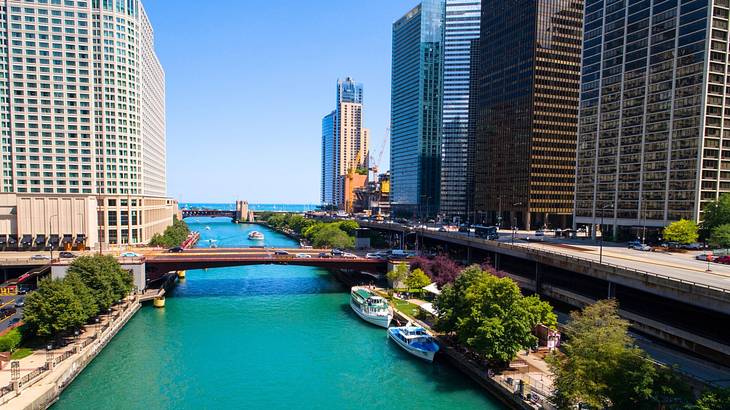
One of Chicago's oldest nicknames is "Mud City." The city was initially built on black, sludgy mudflats near the Chicago River, which created significant challenges for early settlers. Constructing buildings and roads required enormous labor to make the land safe and stable.
Today, the nickname Mud City serves as a reminder of Chicago's humble beginnings and the determination of its early residents who transformed a rugged landscape into the thriving metropolis it is today.
The City That Works
This nickname became associated with Mayor Richard J. Daley's time in office, reflecting his focus on efficient city management and infrastructure development. It portrays Chicago as a city of hardworking residents where systems and services function effectively.
At its core, "The City That Works" celebrates Chicago's industrious spirit and sense of collective progress, highlighting the pride and determination of its people.

Chiberia
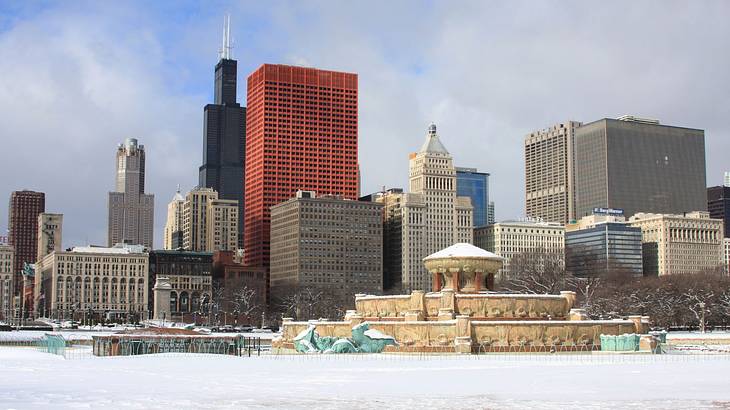
"Chiberia" was coined by a meteorologist during the polar vortex of 2014, when Chicago experienced record-low temperatures. The name is a playful combination of "Siberia" and "Chicago," capturing both the severity of the cold and a touch of humor.
The extreme winter conditions shocked residents, many of whom had never experienced such frigid weather. Since that historic winter, Chiberia has become a widely used nickname for Chicago during its coldest months, reflecting the city's notorious winters.
Chicagoland
"Chicagoland" refers to Chicago and its surrounding densely populated suburban areas, highlighting the city's expansive metropolitan region. The term is used to describe not just the city itself, but also the adjacent counties that are part of the greater Chicago area.
In total, 14 counties make up the Chicago metropolitan region, so when people say Chicagoland, they're referring to this broad and interconnected urban and suburban area.

City in a Garden
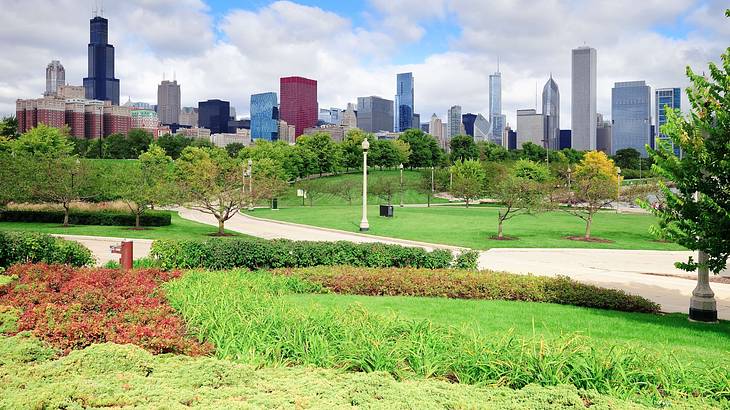
Chicago's nickname "City in a Garden" reflects the vision of its early architects, who believed a city could be more than just an industrial hub. Public green spaces were designed to be central to city life, and today many of these areas are famous landmarks in Chicago, including Millennium Park and Lincoln Park.
The nickname also has historical roots in the city's Latin motto, "Urbs in Horto," adopted in the 1830s and later incorporated into Chicago's official seal. Translated as City in a Garden, the phrase celebrates the city's commitment to parks, gardens, and outdoor spaces that balance urban life with nature.
Great American City
The nickname "Great American City" comes from Robert Sampson's research-based book Great American City, which examines social life and urban dynamics in Chicago. This work was inspired by Pulitzer Prize-winning author Norman Muller's book Miami and the Siege of Chicago, where Chicago is depicted as one of the most influential cities in America.
Because of its focus on Chicago, Sampson's book has had a profound impact on academia and is still used to study social dynamics in other large cities. The term Great American City has since become a popular way to describe Chicago, highlighting its influence, diversity, and role as a quintessential American metropolis.

City by the Lake
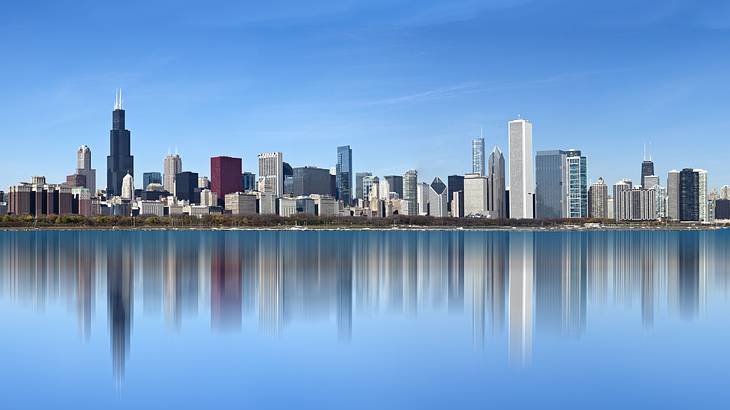
"City by the Lake" is a literal reference to Chicago's location on Lake Michigan, one of North America's five Great Lakes. The lake is visible from many parts of the city, including popular landmarks like Lincoln Park. Both visitors and locals enjoy lakeside activities, scenic walks, and the unique atmosphere the lake provides.
My Kind of Town
The nickname "My Kind of Town" comes from the iconic song My Kind of Town (Chicago Is), recorded by Frank Sinatra. Over time, the phrase has become a cultural moniker for Chicago, symbolizing its vibrant atmosphere and the love many have for the city.
The song praises Chicago's people, music, and landmarks, capturing the city's unique charm and character. It reflects the pride locals feel for their hometown and the affection visitors develop when exploring the streets, parks, and neighborhoods.
The City Beautiful
"The City Beautiful" is linked to the City Beautiful Movement, which began in the 1890s and promoted the idea that urban beautification could create a more harmonious and orderly environment.
Chicago became a central city for this movement, especially with the 1893 World's Columbian Exposition, which showcased grand architecture, wide boulevards, and public spaces.
Daniel Burnham, who co-authored the influential 1909 Plan of Chicago, played a key role in implementing the movement's principles in the city. Because of these connections, the nickname The City Beautiful reflects Chicago's architectural innovation and commitment to thoughtfully designed public spaces.
Paris on the Prairie
Chicago also earned the nickname "Paris of the Prairie" from Daniel Burnham's vision for the city's urban design. As mentioned above, his plan included wide boulevards and grand public spaces modeled after 19th-century Paris, aiming to give the city a sophisticated, European-style layout.
Much of Burnham's vision was not fully realized due to social and economic challenges, but the nickname highlights the city's ambitious approach to urban planning and architecture.
The White City
Often mentioned alongside Chicago's nickname The City Beautiful, "White City" also originated from the 1893 World's Columbian Exposition.
Buildings at the fair were coated in white plaster, creating a striking, uniform glow under the newly installed electric lights. The exposition symbolized progress and innovation, and the name became linked to Chicago's architectural ambition and grandeur.
Great Commercial Tree
Taken from the lyrics of Illinois' state anthem, "Great Commercial Tree" highlights Chicago's economic importance and its role as a hub for commerce. The nickname also reflects a sense of civic pride and community among residents.
Chicago's location on the Great Lakes and major rail lines helped the city grow into one of the nation's most important commercial centers.

That Toddlin' Town
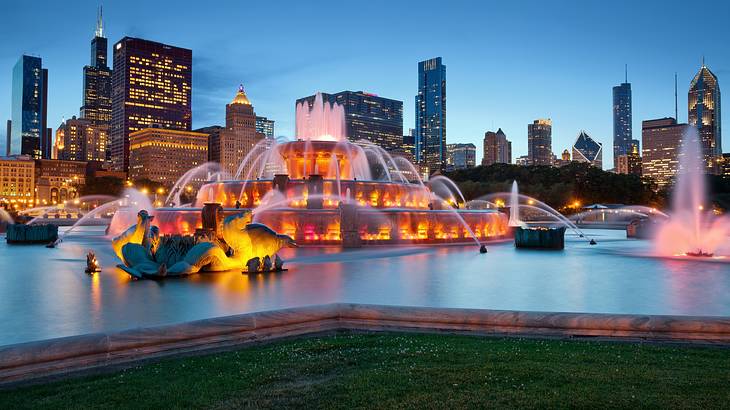
Frank Sinatra's 1957 performance of "Chicago (That Toddlin' Town)" brought the song to the top of the charts and helped popularize this nickname.
The term "Toddlin' Town" originated in the 1920s alongside a dance called the Toddle, reflecting Chicago's energetic nightlife and love of dancing. The nickname captures the city's lively spirit and reputation as a vibrant center for music and entertainment.
The Second City
There are two leading theories behind the nickname "Second City." One points to journalist A.J. Liebling, who used the term in a 1950s New Yorker article to suggest that Chicago was "second-class" compared to New York.
The other theory connects the name to the city's rebirth after the Great Chicago Fire of 1871, symbolizing Chicago's rise as a "second," rebuilt version of itself. Over time, locals have embraced the nickname as a mark of resilience and pride, even inspiring the name of the city's famous Second City comedy theater.

The Third Coast
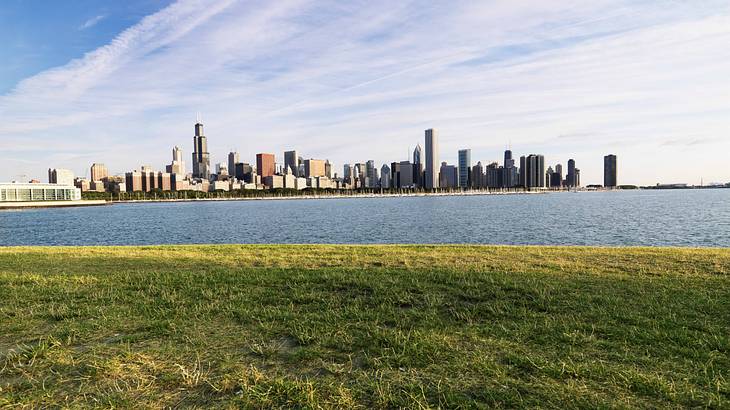
The nickname "Third Coast" highlights Chicago's position along the shores of Lake Michigan. The term is often used to describe regions outside the East and West coasts that still have a strong coastal identity, primarily the Great Lakes region or the Gulf Coast.
Chicago's vibrant arts, music, and cultural scene has strengthened the association, especially following the release of Thomas Dyja's book The Third Coast: When Chicago Built the American Dream.
Heart of America
"Heart of America" is a Chicago nickname that emphasizes the city's central role in the country's economy and infrastructure. As one of the largest and most populated cities in the United States, Chicago serves as a major hub for both domestic and international transportation. The phrase also reflects the city's friendly residents, iconic architecture, and rich history.
The 312
A well-known Chicago nickname is "312", taken from the city's original area code, which covers much of Chicago, including the business district known as The Loop.
Locals often use the term to identify the city, and it has also become recognizable to visitors familiar with Chicago's culture. The nickname highlights both the city's identity and its iconic urban center.
Century of Progress
The 1933–1934 Century of Progress Exposition gave Chicago its nickname "Century of Progress." The World's Fair showcased innovation and modern architecture while offering hope to residents during the Great Depression.
Today, the former fairgrounds are part of a lakefront park, and the nickname continues to reflect the city's legacy of progress and architectural achievement.
In Summary
Chicago is a city with a rich history, friendly residents, and a major influence on the nation's economy. Its character and charm draw people from all over the world.
Over the years, the city has picked up nicknames from a variety of backgrounds. Some are comical, others are more serious. A few are known worldwide, while others are used mainly by locals.
This list offers a glimpse into Chicago's unique history and culture, giving you a deeper appreciation for the city famously known as The Windy City.

Want to keep exploring?
Subscribe for our latest guides.
Thank you for subscribing
We will be in touch soon with our latest guides.
Want to keep exploring?
Subscribe for our latest guides.
Thank you for subscribing
We will be in touch soon with our latest guides.