
8 Nicknames for Massachusetts You Should Know

Destguides may receive commissions from purchases made through affiliate links in this article.
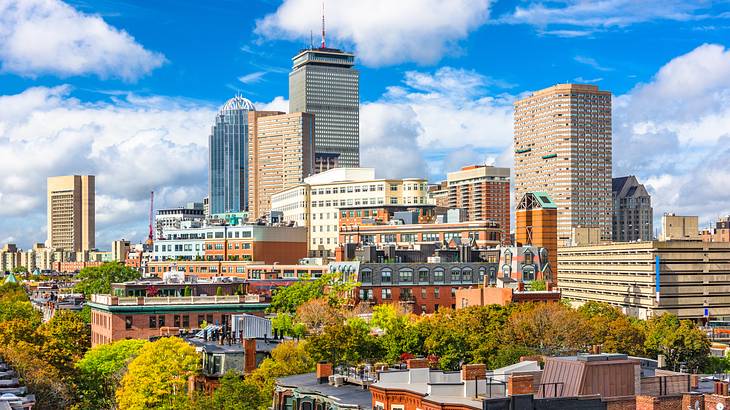

Massachusetts is one of the oldest British colonies in North America and played a key role in the founding of the United States. So it's no surprise that many of Massachusetts' nicknames are rooted in its early history.
While well-known monikers like the "Bay State," the official state nickname, are still widely used, others are more obscure — even to some locals. Learning the stories behind these names offers a unique window into Massachusetts' identity.
Whether you're planning a visit or are just curious about this historic corner of the East Coast, keep reading. Below are eight nicknames for Massachusetts you should know.
8 Massachusetts Nicknames

The Puritan State
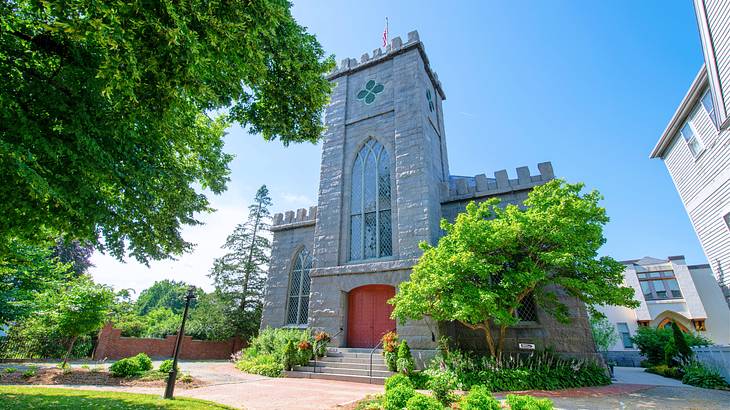
While the "Puritan State" is a less common nickname for Massachusetts today, it is deeply rooted in the state's history. During the 16th and 17th centuries, a reform movement called Puritanism grew within England's Protestant church. Facing religious persecution at home, many Puritans looked to North America to practice their faith freely.
The first of these groups to arrive was the Pilgrims, a faction of Puritans who wanted to separate from the Church of England. They journeyed across the Atlantic on the Mayflower in 1620, establishing the Plymouth Colony in what would become Massachusetts.
Almost a decade later, a much larger migration of Puritans began, founding the Massachusetts Bay Colony. It was this larger, influential settlement that firmly established the Puritan identity of the territory. Although the nickname isn't widely used in daily conversation, it remains a clear nod to the state's foundational origins.
The Baked Bean State
The tradition of baked beans in Massachusetts originated with its colonial settlers and led to the nickname the "Baked Bean State." The state's early Puritan settlers observed a strict Sabbath, which meant no cooking from sundown Saturday to sundown Sunday.
To have a warm meal available, colonial families would slow-cook beans on Saturday. Left in a warm brick oven overnight, the dish was ready for supper on Saturday and again on Sunday.
Later, the iconic recipe's evolution was spurred by Boston's role as a major port city. During the 18th century, Boston was central to the molasses trade. As a result, the sweet, dark syrup became a common ingredient in local kitchens.
This development led to the creation of the distinct, molasses-sweetened Boston-style baked beans. The dish's popularity ultimately earned Boston its "Beantown" nickname. Today, baked beans remain a cherished culinary symbol for the state, appearing on everything from restaurant menus to novelty souvenirs.

The Old Bay State
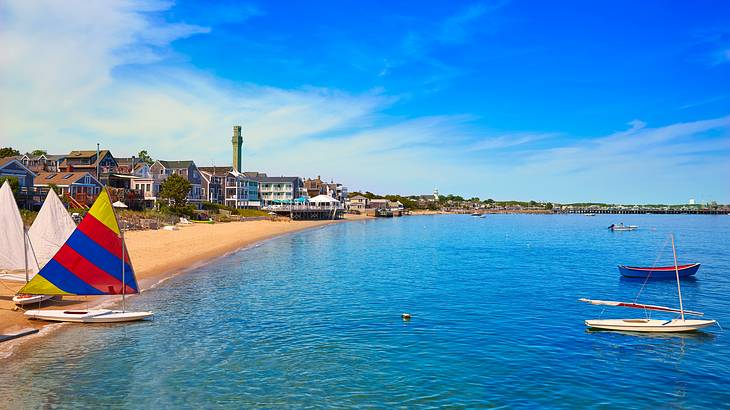
The nickname "Old Bay State" dates back to at least the early 1800s. It's a variation of the more widely recognized "Bay State," which originated from Massachusetts' early coastal settlements.
Key waterways like Massachusetts Bay and Cape Cod Bay were vital to the survival of the colony's first settlers, offering access to fishing, trade, and shelter. These natural harbors supported early towns in the area, like Plymouth.
While never officially adopted, the "Old Bay State" has appeared in literature and public discourse since the 19th century, serving as a nostalgic nod to the state's colonial past and maritime roots.
The Bay State
The "Bay State" is the official nickname of Massachusetts, and it traces its roots back to the Massachusetts Bay Colony, one of the earliest and most influential settlements in colonial America.
The name also reflects the state's defining coastal geography. With access to major bodies of water like Massachusetts Bay, Plymouth Bay, and Cape Cod Bay, the colony developed around maritime trade, shipbuilding, and fishing industries that helped establish Massachusetts as a hub of commerce and innovation.
Today, the "Bay State" remains a point of regional pride. The nickname appears on state documents, tourism materials, and souvenirs, linking modern Massachusetts to its colonial and coastal heritage.

The Codfish State
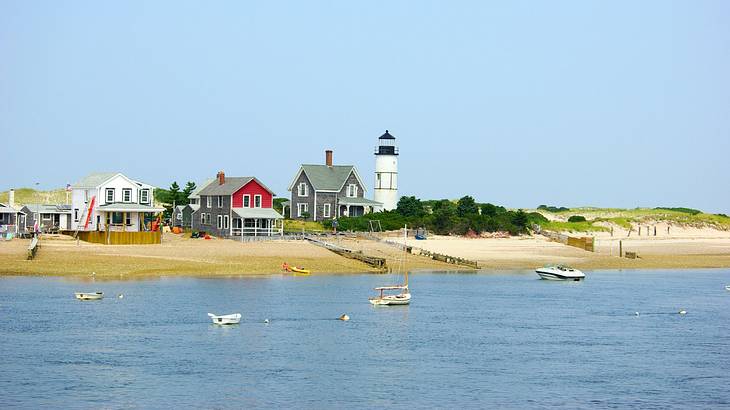
The nickname "Codfish State" might seem unusual at first, but it has deep historical and cultural roots in Massachusetts. The Atlantic cod is the official state fish, reflecting its importance to the region's fishing industry and economy.
Massachusetts' coastal waters—especially Cape Cod Bay—have long been home to abundant cod populations, which sustained early settlers and fueled commercial fishing for centuries.
Although the exact origin of the nickname is unclear, the codfish was officially designated the state fish in 1974. The cod has also appeared on Massachusetts license plates, symbolizing the state's maritime heritage.
The Old Colony State
Massachusetts' nickname, the "Old Colony State," originates from the early English settlement of Plymouth Colony. Although the first permanent British colony in what would become the United States was Jamestown, Virginia (established in 1607), Plymouth Colony holds a special place in American history as one of the earliest successful English settlements in New England.
Later, during the American Revolutionary War, Massachusetts was one of the first of the 13 colonies to actively resist British rule, playing a pivotal role in the struggle for independence.
Today, this Massachusetts nickname honors this colonial heritage and is often found in history books and on souvenirs celebrating American colonial history and patriotism.

The Pilgrim State
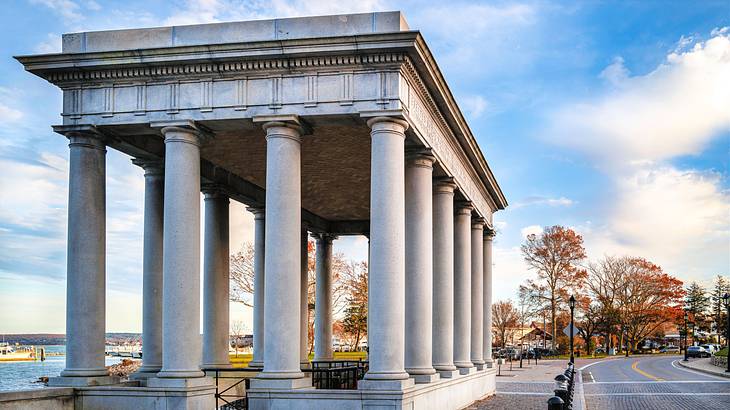
Massachusetts is also sometimes called the "Pilgrim State," a nickname inspired by the Pilgrims who arrived in New England in the early 17th century. One of the state's most iconic landmarks is Plymouth Rock, the site where the Pilgrims landed in 1620.
While the exact origins of the nickname "Pilgrim State" are unclear, it has appeared in historical books, tourism materials, and souvenirs. However, today it's not as commonly used as other nicknames like the "Bay State."
The Spirit of America
Though not as well-known as some of the other nicknames, the "Spirit of America" holds a special place in Massachusetts' identity. It originates from the 1620 voyage that brought the Pilgrims from England to the "New World."
After landing at Plymouth Rock in Massachusetts, they began building what would eventually become the United States, effectively embodying the "spirit of America."
Because of its patriotic meaning, this nickname has been embraced by the state government. It appears on tourism materials, souvenirs, and even Massachusetts license plates.
In Summary
Massachusetts goes by many names — from familiar monikers like the "Bay State" to lesser-known titles such as the "Codfish State." Each nickname reflects a piece of Massachusetts' rich history.
Hopefully, this list gave you a deeper appreciation for the state of Massachusetts. Now the only question is: which nickname will you start using?

Want to keep exploring?
Subscribe for our latest guides.
Thank you for subscribing
We will be in touch soon with our latest guides.
Want to keep exploring?
Subscribe for our latest guides.
Thank you for subscribing
We will be in touch soon with our latest guides.