
10 Fort Worth Nicknames You Should Know

Destguides may receive commissions from purchases made through affiliate links in this article.
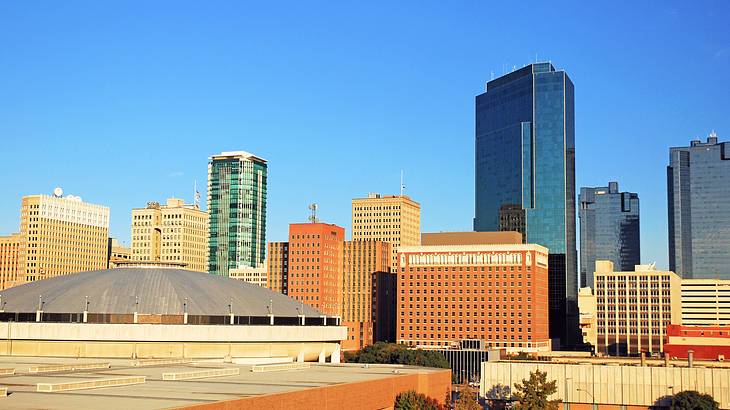

Fort Worth has never been short on personality. From its days as a cattle-trading hub on the edge of the frontier to its current status as a thriving cultural destination, the city has collected monikers that tell its story better than any history book.
Some names date back to the 19th century, another nickname was born from a billboard about a French bulldog, and a few sit comfortably in between. Here are 9 more Fort Worth nicknames, in addition to "Cowtown," that helped shape this city.
10 Nicknames for Fort Worth

Cowtown
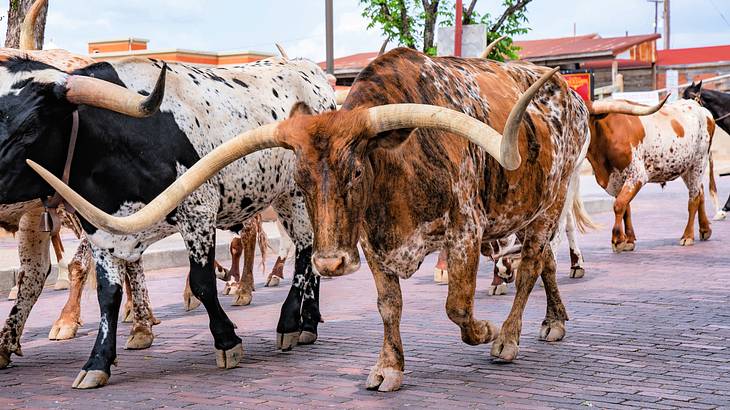
Few names fit a city as snugly as this one fits Fort Worth. Rooted in the 19th century, the moniker reflects the city's central role in the American cattle industry.
Millions of cows were bought and sold at Fort Worth's markets each year, while many more were transported across the state and further west. The cattle market still operates today, though Cowtown has largely retired from everyday conversation and lives on mainly through souvenir shops and tourism branding.
The Cultural Capital of the Southwest
In recent decades, Fort Worth has built a cultural reputation that stretches well beyond its ranching roots. The city's growing collection of museums, concerts, and events has given rise to this nickname, which appears frequently on the official Fort Worth tourism website and in local arts coverage.
The Kimbell Art Museum alone gives the city significant bragging rights: it holds the only Michelangelo painting in the Americas, a tempera-on-panel work believed to have been created when the artist was just 12 or 13.
Beyond the galleries, outdoor spaces like Marion Sansom Park and Eagle Mountain Park round out a cultural identity that embraces both art and the natural world.

The Panther City
Behind this nickname is one of the better origin stories in American urban history. In the 19th century, Fort Worth hit a rough patch when railroad companies ran out of funds, and growth stalled dramatically.
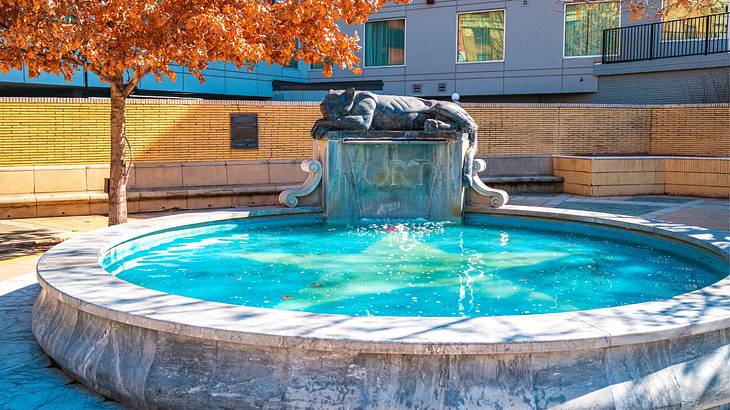
According to the official City of Fort Worth history, a Dallas lawyer wrote to a newspaper claiming the city had become so quiet that a panther was sleeping in the street outside the courthouse.
When the story spread, locals turned the insult on its head. They embraced "Panther City" as a badge of resilience, got to work reviving their town, and the name stuck.
It lives on today in historical texts, publications, and the panther statues scattered across the city, which have become beloved local landmarks. The variant "Pantherville" is also used for similar reasons.
Funky Town
In 1986, Fort Worth soul radio station KKDA began promoting a weekly series of blues concerts, inviting listeners from across North Texas to come to "Funky Town Fort Worth."
The branding borrowed from the 1980 disco-funk song "Funkytown" by Lipps Inc., and according to longtime KKDA morning host Willis "Da Crooner" Johnson, that's where the name was born.
The concerts ran for nine years. By 1997, the term had spread into hip-hop, and by the 2000s, the Southside had adopted it as a neighborhood rallying cry. Today, it appears on T-shirts and in local branding across the city.

Metroplex
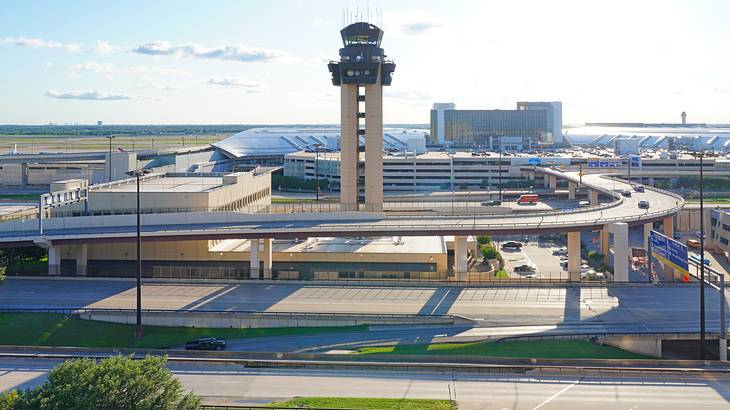
This nickname belongs to both Fort Worth and its neighbor to the east. Dallas and Fort Worth sit close enough together that they function, in many ways, as a single vast metropolitan area known as the Dallas-Fort Worth Metroplex.
The term came into common use when Dallas-Fort Worth Airport opened in the 1970s and has since appeared on administrative and informational material of all kinds. It is perhaps the most widely used geographic shorthand for the region as a whole.

Where the West Begins
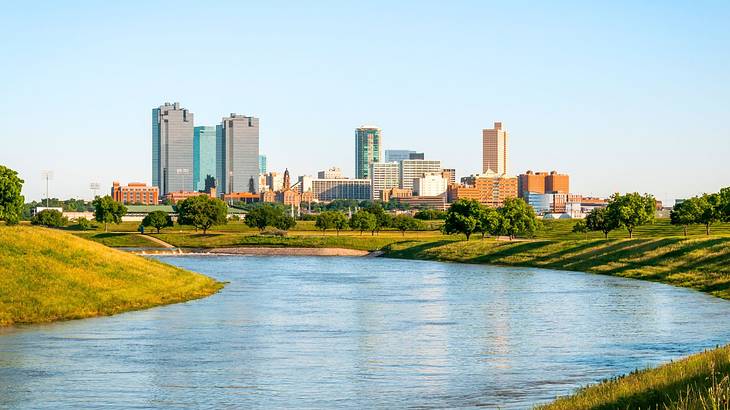
Long before Fort Worth had a skyline, it had a boundary line. A treaty struck in 1843 drew a geographic divide, with Native American tribes settling to the west of a line that ran through what would become Fort Worth. That boundary came to be known as "Where the West Begins."
The city's location near the Trinity River made it a natural stopping point for settlers heading further into the territory, cementing its status as a gateway to the West.
Fort Worth has leaned into the identity ever since, from western-themed establishments like Billy Bob's Texas to its presence in local history texts and on souvenir items.
The Queen City of the Prairie
Cattle made Fort Worth famous, but the land looked very different before the livestock arrived. Open prairie stretched in every direction, broken up by wildflowers rather than stockyards.
That landscape gave rise to a name that has largely faded from common use: "The Queen City of the Prairie," sometimes written as "The Queen of the Prairies."
The moniker gained traction after the Texas and Pacific Railway arrived in 1876 and Fort Worth became a regional market hub. It can still be found in publications dealing with local history.

The Wall Street of the West
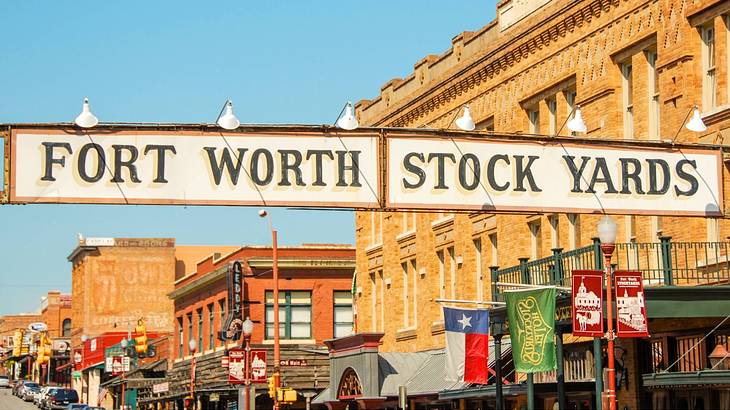
In the early 1900s, Fort Worth was awash in money, most of it flowing through the livestock industry. The Fort Worth Stockyards hosted one of the largest cattle markets in the country, and so much capital changed hands in the city that it earned a reputation as the region's financial powerhouse. The nickname is no longer in everyday use but remains a fixture in historical accounts of the period.
Big Juicy
Of all Fort Worth's nicknames, this one has the strangest origin. In 2018, a billboard appeared in the city showing a man sitting on the hood of a car while holding a French bulldog. The text read "Fort Worth Famous Big Juicy."
Locals were initially baffled, but the billboard turned out to be a personal tribute rather than an advertisement. It was a man's public declaration of affection for his dog, named Big Juicy.
The phrase quickly attached itself to the city as a whole, though it remains mostly the domain of local conversation rather than official usage.
The Paris of the Plains
Gambling, debauchery, and a revolving cast of outlaws gave Fort Worth its wildest nickname. In the 19th century, the city drew the likes of Butch Cassidy, the Sundance Kid, and Wyatt Earp, and the rowdy atmosphere that followed reminded people of the nightlife most associated with the French capital. The comparison stuck. The "Paris of the Plains" has not been in active use for many years and survives only in historical texts.
In Summary
Fort Worth's nicknames do not follow a single thread. They move through cattle drives, musical subgenres, and viral billboards, landing on a picture of a city that has always been a little difficult to pin down. But that range is exactly what makes them worth knowing.

Want to keep exploring?
Subscribe for our latest guides.
Thank you for subscribing
We will be in touch soon with our latest guides.
Want to keep exploring?
Subscribe for our latest guides.
Thank you for subscribing
We will be in touch soon with our latest guides.