
14 Nicknames for Los Angeles, California to Know

Destguides may receive commissions from purchases made through affiliate links in this article.
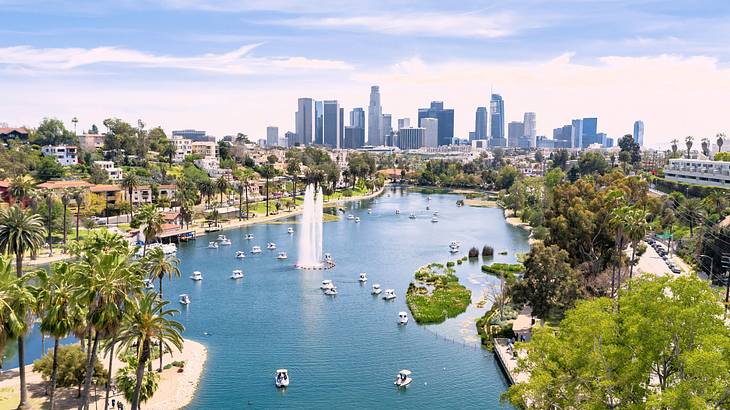

Los Angeles is a city full of celebrities, famous landmarks like the Hollywood Sign and Venice Beach, and aspiring actors and musicians hoping to make it big.
It also has a rich history that stretches back to 1781, when 44 settlers from present-day Mexico founded a small farming community that would eventually become the second-largest city in the United States by population.
That history, combined with the city's culture and global reputation, has produced more nicknames than most cities could dream of. Keep reading for 14 nicknames for Los Angeles, California, along with the stories behind each one.
14 Los Angeles Nicknames

The City of Champions
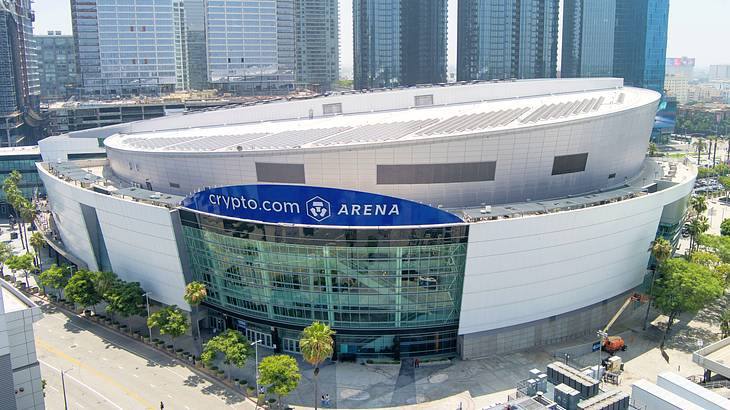
One fun fact about California is that the state has the most major league sports teams of any state in the country. Los Angeles is home to many of them, including the Dodgers, Kings, and Lakers.
In 2020, the Los Angeles Lakers and Los Angeles Dodgers won their respective championships within 16 days of each other, prompting a wave of civic pride. That stretch earned the city the unofficial title of the "City of Champions."
It is worth noting, however, that several other cities also claim this nickname. New York City, Boston, and Pittsburgh have all built strong cases of their own.
The City of Angels
One of the most well-known nicknames for Los Angeles is the "City of Angels." In 1781, settlers from present-day northern Mexico established a farming community they named "El Pueblo de Nuestra Señora la Reina de los Ángeles de Porciúncula."
This translates to "The Town of Our Lady the Queen of the Angels of Porciúncula" in English. The name refers to the Virgin Mary.
When the settlement grew and was incorporated as a city in 1850, the name was shortened to the "City of Los Angeles." Since Los Angeles means "the angels" in Spanish, the City of Angels followed naturally.
That same connection inspired related nicknames like "The Angels," a direct translation, and "Angeltown," which was adopted as the official city song of Los Angeles in 1966 after being written by Jay Livingston and Ray Evans in 1959.
El Pueblo
"El Pueblo" is a shortened version of the city's original Spanish name. In Spanish, it simply means "the town," a fitting description for what was once a small farming settlement.
This nickname is more familiar among Spanish speakers and is not widely used in everyday conversation anymore. It does, however, live on through landmarks like the El Pueblo de Los Angeles Historical Monument, a preserved area in the heart of the city that commemorates its founding.

The City of Flowers and Sunshine
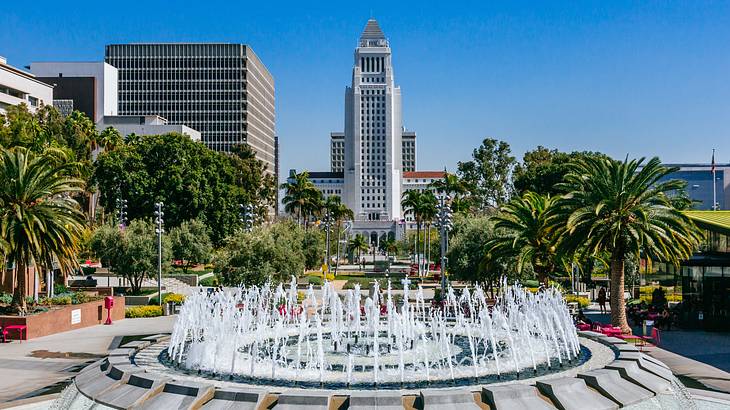
Although California isn't one of the hottest states, it's known for its warm climate and year-round sun. Thanks to its weather, Los Angeles earned the nickname the "City of Flowers and Sunshine."
Despite the warm climate, this may not be the most accurate nickname for Los Angeles. Cities like Phoenix and Las Vegas have more sunny days per year.
Similarly, there are many green spaces in the city with flowers, but it's not the most floral city. Because of this, the City of Flowers and Sunshine isn't a very popular nickname in Los Angeles.
Double Dubuque
Not every nickname is a compliment. "Double Dubuque" was an insulting term for Los Angeles that gained traction between the 1920s and the 1960s. It originated from Dubuque, Iowa, and was a jab at the large number of midwesterners who had moved to the city during that period.
Some attribute the phrase to movie publicist Rufus Blair. Critics felt the influx of midwesterners was changing the character of the city. As Los Angeles became more diverse, the insult lost its sting and fell out of use. Most residents today have never heard of it.

L.A.
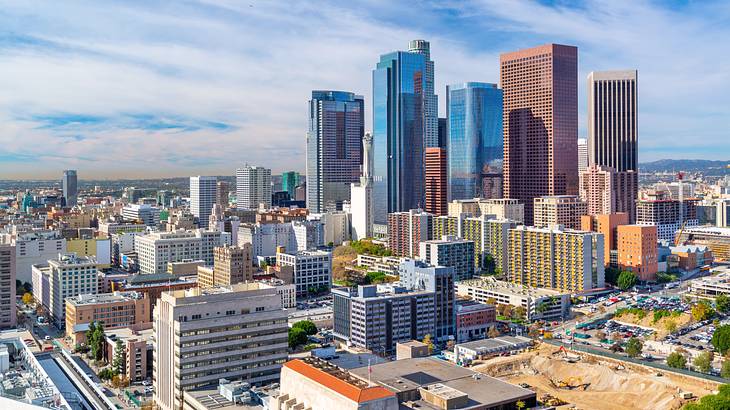
"L.A." is the most widely used nickname for Los Angeles, functioning the same way "NYC" does for New York City or "NOLA" does for New Orleans. It is simple, efficient, and universally understood.
Even people who have never visited Los Angeles refer to it as L.A. Thanks to the city's Spanish heritage, some people also write it as "El Lay," a phonetic play on the abbreviation.
El Lay does not mean anything in Spanish, but it blends the city's initials with its linguistic roots. This variation shows up more often in writing, such as text messages and social media posts, than in spoken conversation.
Tinseltown
Originally a nickname for Hollywood, "Tinseltown" eventually expanded to refer to Los Angeles as a whole. The term appeared in the early 20th century to describe the artificial glamour of the film industry. The word "tinsel" suggested something shiny on the surface but hollow underneath.
Unlike some other Hollywood-era nicknames, Tinseltown has never really gone away. It still appears regularly in entertainment journalism, headlines, and cultural commentary.

La-La Land
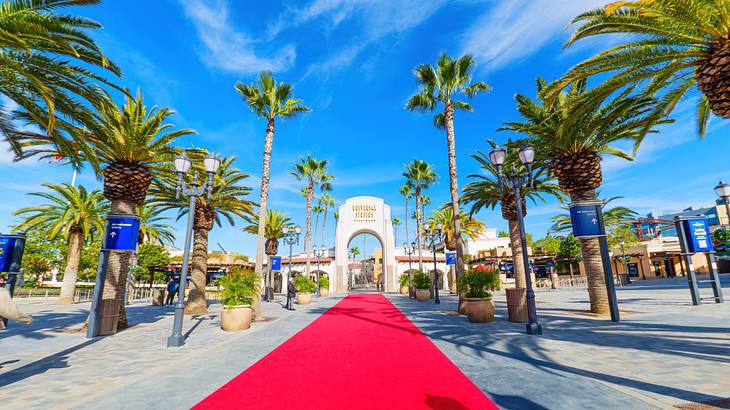
Being in "la-la land" typically means being in a dreamlike state or out of touch with reality, and that is exactly what this nickname implies about Los Angeles.
The term gained more prominence in the late 1970s to describe both the entertainment industry's detachment from ordinary life and the broader laid-back California lifestyle. It also works as a playful riff on the abbreviation L.A.
The 2016 film La La Land, set and filmed in Los Angeles, brought the nickname back into the spotlight for a new generation.
Lotusland
One of the more literary nicknames for Los Angeles, "Lotusland," traces its roots to Homer's The Odyssey. In the ancient text, the lotus-eaters live in a state of perpetual contentment, self-indulgence, and dreamy forgetfulness.
Readers in the 1920s saw a parallel with Los Angeles, where newcomers arrived, chasing dreams of fame and fortune, and never quite left.
The nickname was popular through the 1920s and 1930s but has since faded. It shares a thematic connection with La-La Land, both suggesting a city where reality takes a back seat.

Shaky Town
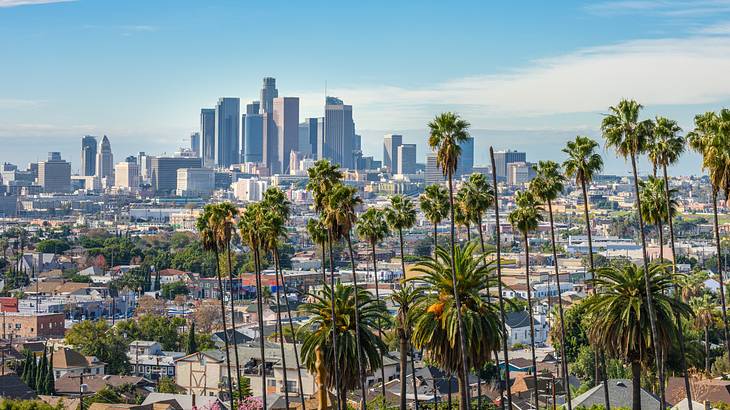
Los Angeles sits along the San Andreas Fault, making it one of the most earthquake-prone cities in the country. That seismic reality gave rise to the nickname "Shaky Town."
While Alaska actually experiences more earthquakes than any other state, California has more earthquakes that cause damage, according to the US Geological Survey.
Southern California, in particular, carries the highest earthquake risk in the nation. Minor tremors barely register with longtime residents, but larger events like the 1994 Northridge earthquake serve as reminders that the ground beneath the city is never entirely still.
Southland
The term "Southland" was originally associated with the southeastern United States and the Confederacy, dating back to 1861.
In the late 1800s, Harrison Gray Otis, editor of the Los Angeles Daily Times, began using the word to brand Southern California amid a rivalry with the north of the state. He was not the first to call the LA area and parts of the surrounding counties the Southland, but he was the loudest.
Over time, the name stuck and is now used by local news anchors and residents to refer to the greater Los Angeles metropolitan area. The nickname also inspired a television show of the same name, which is set in Los Angeles.

The City of Dreams
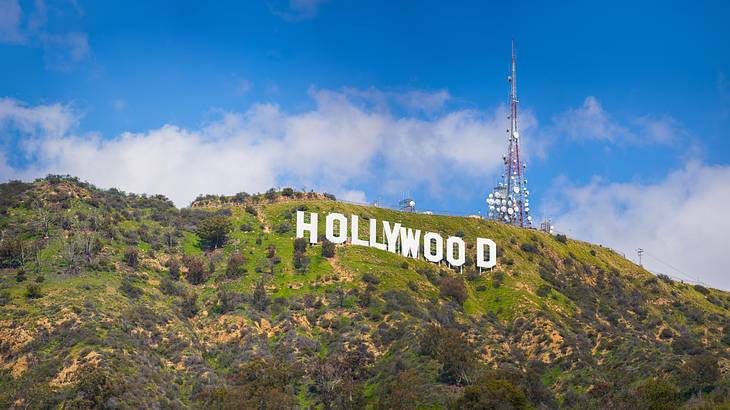
Hollywood has long drawn aspiring actors, musicians, and athletes to Los Angeles in pursuit of fame and success. That magnetic pull gave the city the nickname the "City of Dreams," sometimes extended to the "City of Hopes and Dreams."
The promise of stardom is a powerful lure, even if the reality does not always match the fantasy. That contrast has also led to a darker variation of the name. Some call it the "City of Broken Dreams," a reference to the many who arrive with ambitions that never pan out.
The Big Orange
New York City has the "Big Apple," and for a time, Los Angeles tried to claim its own fruit. The "Big Orange" emerged in the 1970s as a nod to the Navel and Valencia oranges that the city's warm, sunny climate once produced in abundance.
The nickname was used until the 1990s, but it never stuck the way the Big Apple did for NYC. Florida, arguably one of the largest orange producers in the world, has a stronger claim to any citrus-themed nickname.

The Entertainment Capital of the World
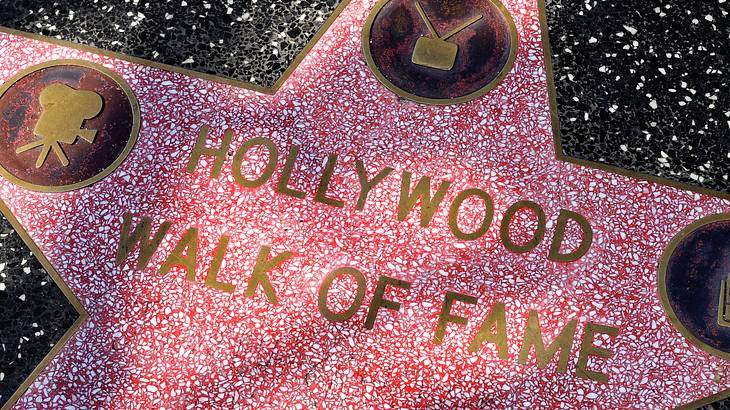
A handful of American cities claim the title of the "Entertainment Capital of the World," including New York and Las Vegas. Los Angeles makes its case through Hollywood, which remains the center of the global film and television industry.
The city is home to major studios, production houses, and the kind of celebrity culture that fuels entertainment media worldwide. Filming is a constant presence across the city, and landmarks like the Hollywood Walk of Fame draw millions of visitors each year.
In Summary
A city that started as a 44-person farming settlement now has more nicknames than most countries. That says less about the city's branding and more about the fact that Los Angeles keeps giving people reasons to name it.
The angels, the earthquakes, the oranges, the tinsel, the dreams. Every name is a snapshot of a different era or a different version of the city, and the list is still growing.

Want to keep exploring?
Subscribe for our latest guides.
Thank you for subscribing
We will be in touch soon with our latest guides.
Want to keep exploring?
Subscribe for our latest guides.
Thank you for subscribing
We will be in touch soon with our latest guides.