
11 Must-See Landmarks in Lanai, Hawaii

Destguides may receive commissions from purchases made through affiliate links in this article.
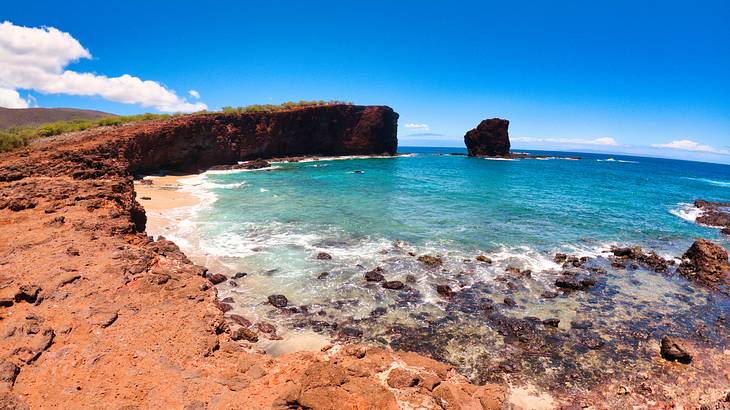

Lanai, often referred to as the "Pineapple Island," is a serene Hawaiian gem situated just 10 miles off the coast of Maui. Known for its stunning natural beauty and laid-back vibe, Lanai offers travelers an off-the-beaten-path experience filled with remarkable landmarks.
Whether you're visiting for a day or a week, here are 11 Lanai landmarks you won't want to miss. Continue reading to learn more!
Are you on your way to Lanai last-minute?
Before traveling to Lanai, book your entrance tickets and tours ahead of time. We've pulled together a top suggestion below.
☂️ Top tour and experience in Lanai
- Waterfall & Rainforest Hiking Adventure With Hotel Pickup (rated highly)
11 Lanai Landmarks
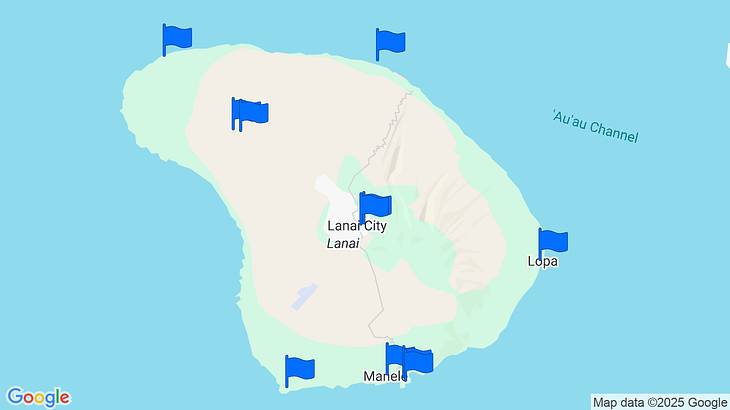
Lanai Landmarks Map
A map of Lanai landmarks. Use the map to explore all of the points of interest.

Hulopo'e Beach Park
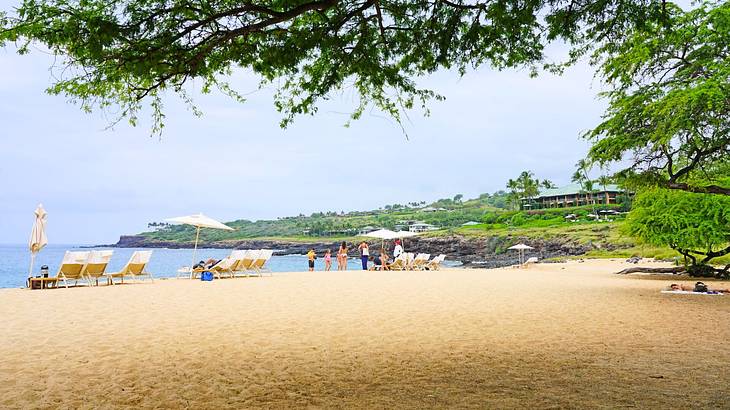
The first stop for many visitors, Hulopo'e Beach Park is Lanai's premier beach destination. Located on the island's southern shore near the Four Seasons Resort, this crescent-shaped beach features calm, crystal-clear waters perfect for swimming and snorkeling.
During summer, you might spot playful spinner dolphins, while winter brings the majestic presence of migrating humpback whales offshore. Don't miss the tide pools on the eastern side, where starfish and hermit crabs are common. The park is visitor-friendly, with restrooms, showers, picnic tables, and barbecue grills — great for a full day outdoors.

Pu'u Pehe (Sweetheart Rock)
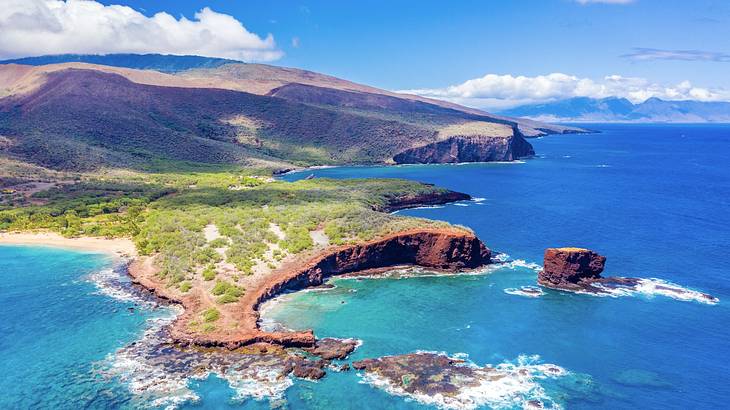
Just a short hike from Hulopo'e Beach, Pu'u Pehe is arguably Lanai's most iconic natural landmark. This rugged sea stack rises 80 feet above Hulopo'e Bay and carries a poignant legend.
The name "Sweetheart Rock" honors Pehe, a woman loved by the warrior Makakehau. According to the tale, after losing Pehe to the sea during a storm, Makakehau climbed the rock, buried her at the top, and leapt to his own death. The story serves as a poignant reminder of the island's deep cultural roots and the myths that are woven into its landscape.
Lopa Beach
For a more secluded beach experience, Lopa Beach on Lanai's eastern coast is a hidden treasure. Accessible only by four-wheel-drive, this white-sand beach offers solitude and scenic views of Maui across the water.
Locals, particularly fishermen, frequently visit the area. Calm waters make swimming possible, but be cautious of the rocky ocean floor, which can be hazardous when waves are rough. At the southern end, the ancient Loko Lopa fishpond now serves as a bird sanctuary.
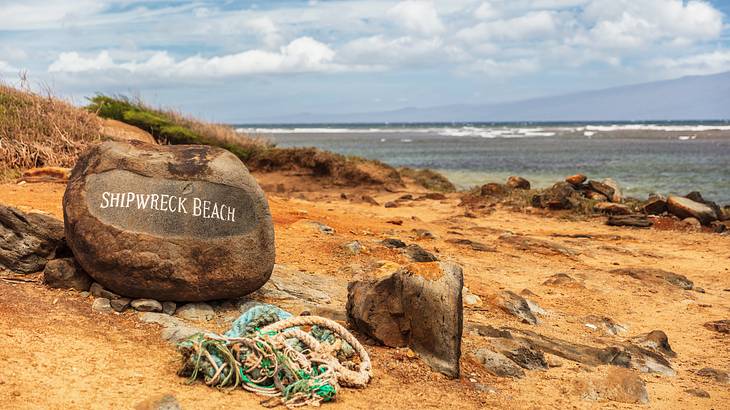

Lanai'i Ghost Ship, Kaiolohia (Shipwreck Beach)
On Lanai's northeastern shore lies Shipwreck Beach, locally known as Kaiolohia. This spot is named after the rusting remains of a 1940s oil tanker (Lanai'i Ghost Ship) resting on the coral reef. You won't want to swim here, but the views of Maui and Molokai are spectacular.
Reaching this beach requires a 4x4 vehicle and a spirit of adventure, as it sits off unmarked roads. Nearby, petroglyphs from ancient Polynesians add historical intrigue to the rugged coastline.
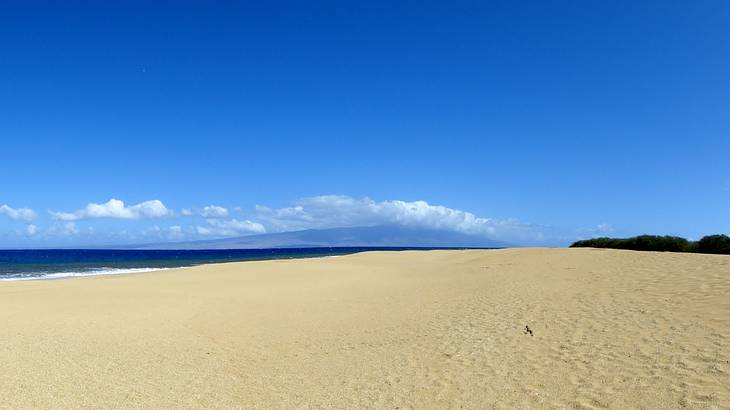

Polihua Beach
If you want to experience Lanai's wild side, Polihua Beach at the island's northwestern tip is a must. As the longest sandy beach on Lanai, it feels like a private stretch of paradise. It is recommended to use a four-wheel drive again or hire a guide.
With no protective reef, the surf here is strong, making swimming dangerous. However, the winds sculpt impressive dunes that are perfect for hiking and picnics.
During winter, this beach becomes a prime spot for watching migrating humpback whales. Keep an eye out for native green sea turtles nesting in the sand — "Polihua" means "egg nest" in Hawaiian.
Kaunolu Village
An ancient fishing village nestled on Lanai's southern cliffs, Kaunolu Village is a cultural landmark that requires some effort to reach by four-wheel drive. It was a favored site of King Kamehameha I, the monarch who united the Hawaiian Islands.
Declared a U.S. National Historic Landmark in 1962, Kaunolu features petroglyphs, religious ruins, and the remnants of a prehistoric Hawaiian village, offering a window into the island's rich past.
Keahiakawelo (Garden of the Gods)
At the end of Polihua Road, about 45 minutes from Lanai City, lies Keahiakawelo, better known as the Garden of the Gods. This surreal landscape is shaped by centuries of erosion, creating towering rock formations and scattered boulders that give the area a distinctly otherworldly appearance.
From here, on clear days, visitors can even see the island of Oahu in the distance. Sunset paints the rocks in fiery oranges, making it a photographer's dream.
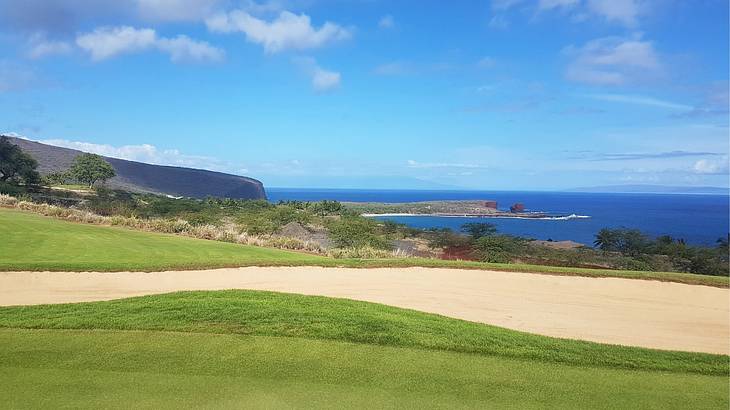

Manele Golf Course
For those seeking relaxation, Manele Golf Course, located at the Four Seasons Resort, offers a world-class golfing experience. Designed by Jack Nicklaus, the course hugs dramatic 200-foot cliffs with panoramic ocean views and black lava rock surroundings.
Consistently ranked among the top courses in the U.S., Manele blends challenging play with stunning natural beauty.
Kanepuu Preserve
Kanepuu Preserve is a 590-acre nature reserve on Lanai's western side, managed by The Nature Conservancy. It's a haven for dryland forest plants and native Hawaiian species, with 48 native plant types thriving here.
Visitors can explore the preserve via self-guided or ranger-led walks, learning about ongoing restoration efforts and challenges posed by invasive species. Four-wheel drive is recommended to navigate the access roads.
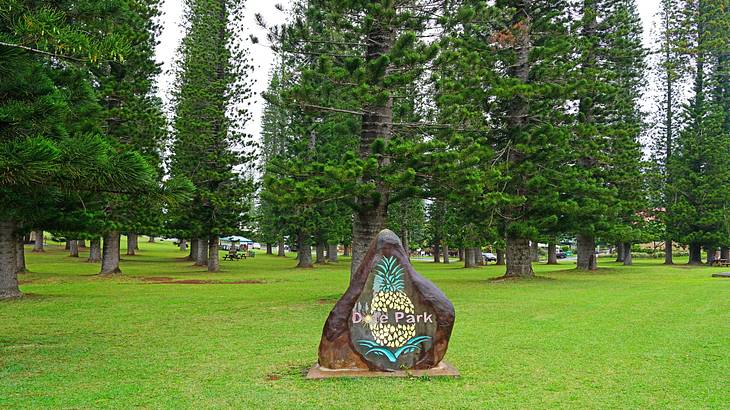

Dole Park
Located in Lanai City, Dole Park serves as the community's heart. Named after James Dole, founder of the Hawaiian Pineapple Company, the park is also known locally as Lanai City Commercial Square due to mixed feelings about the Dole legacy.
The park is a popular gathering spot, especially on Saturdays when it hosts a vibrant farmer's market featuring local produce, arts, and crafts.
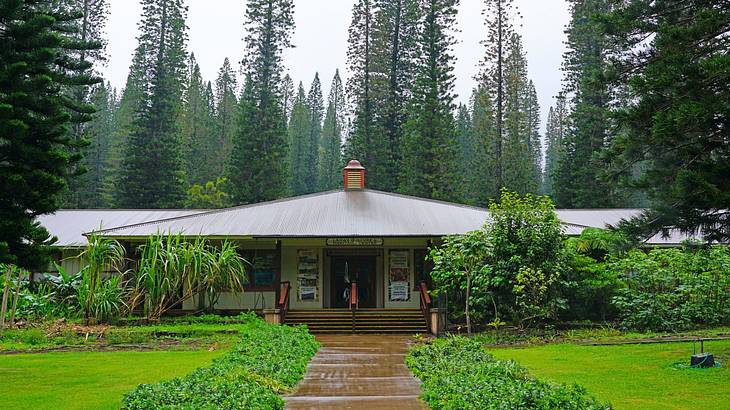

Lanai Culture and Heritage Center
For those interested in Lanai's rich and complex history, the Lanai Culture and Heritage Center is a must-visit. Established in 2007 and situated in Lanai City, this small yet impactful museum provides insights into the island's native Hawaiian heritage, its plantation-era history, and the diverse communities that have called Lanai home throughout the centuries.
Exhibits include archaeological artifacts, photographs, oral histories, and cultural displays that help visitors understand how Lanai's identity has evolved—from traditional fishing villages to its time as a pineapple plantation hub. The center also promotes respectful tourism, encouraging visitors to engage thoughtfully with local traditions and the land itself.
In Conclusion
These 11 landmarks in Lanai, Hawaii, offer a great starting point for exploring the island's natural beauty, cultural history, and hidden gems. While Lanai has even more to discover beyond this list, these highlights capture the spirit of what makes this remote island so unforgettable.

Want to keep exploring?
Subscribe for our latest guides.
Thank you for subscribing
We will be in touch soon with our latest guides.
Want to keep exploring?
Subscribe for our latest guides.
Thank you for subscribing
We will be in touch soon with our latest guides.