
15 Boston Nicknames and How They Came to Be

Destguides may receive commissions from purchases made through affiliate links in this article.
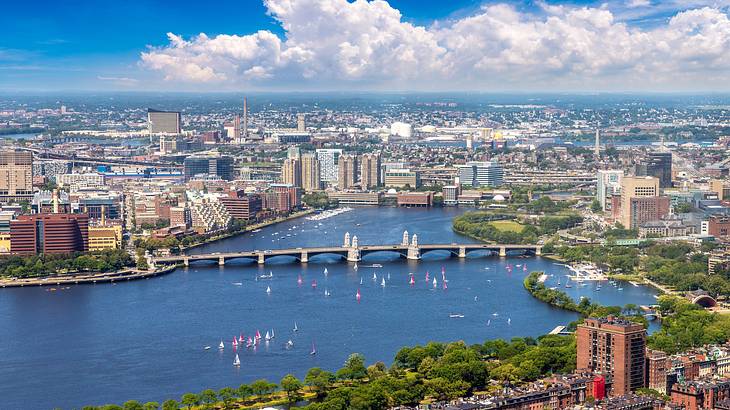

Boston has collected nicknames for nearly four centuries, and most of them say as much about the city's history as they do about the place itself. One nickname traces back to a 1630 Puritan sermon that imagined Boston as "a city on a hill."
Another grew out of an 1858 magazine essay that sarcastically declared the Massachusetts State House the center of the solar system. Even a grimy 1966 garage rock song about the city's polluted rivers has become part of Boston tradition and still plays after Red Sox wins at Fenway Park.
A few of these names remain part of everyday speech. Others survive mostly in old newspapers, local history books, and the memories of longtime residents. Here are 15 Boston nicknames and the stories behind them.
15 Nicknames for Boston

America's Walking City
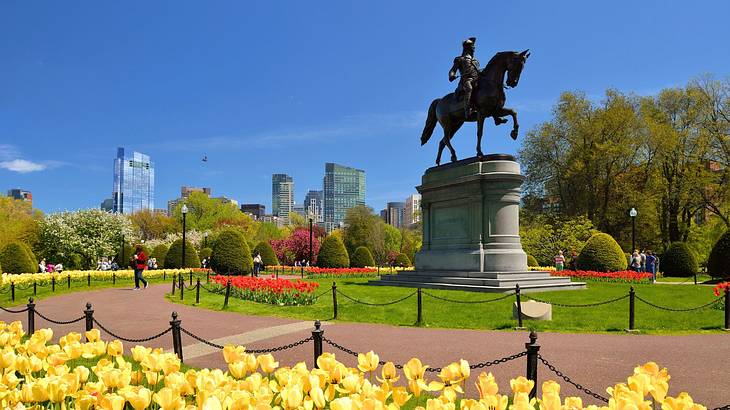
Compact streets and brutal traffic make Boston a city best explored on foot, which is how it earned the title "America's Walking City." Locals and visitors regularly skip driving altogether, especially around Fenway after a Red Sox game. For anything beyond walking distance, the MBTA covers most of the city well.
The Athens of America
Borrowed from the capital of ancient Greece, "The Athens of America" compares Boston to a city long renowned for its intellectual and artistic life.
Writer William Tudor applied the nickname to Boston in 1819, around the time the city was producing a generation of notable writers, philosophers, and artists.
Philadelphia actually used the same nickname first, however, with references going back to the 1730s. Today, the title isn't widely used by either city outside of literary contexts.

The City of Champions
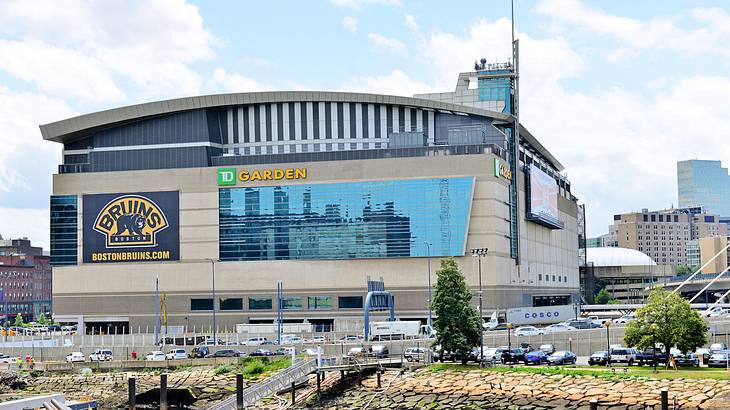
Sports fans know Boston as the "City of Champions," a nod to the trophy cases of the Red Sox, Celtics, Bruins, and New England Patriots. Each franchise has stacked up multiple titles.
The nickname is unofficial, however, and plenty of other places claim it too, including Edmonton, Los Angeles, Detroit, and Pittsburgh, so the debate will likely never end.
Beantown
Of all the Boston nicknames, "Beantown" is the one most outsiders recognize. It comes from the city's long association with baked beans, a dish that became a New England staple in the colonial era.
Indigenous peoples in the region had long prepared beans in various ways, including with maple, but Boston baked beans as a distinct dish developed later, when colonists began slow-cooking beans with molasses imported through the city's port in the 1700s.
The dish is still around today, though the nickname itself has fallen out of favor with many Bostonians. Massachusetts is also sometimes referred to as the "Baked Bean State."

The City of Notions
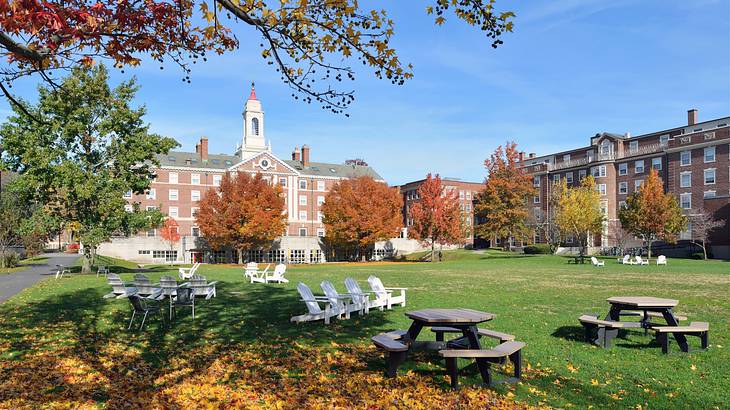
The "City of Notions" captures Boston's 19th-century reputation as a center of innovation, ideas, and original thinking. The word "notions" once referred to small inventions and clever ideas.
In the years following the Siege of Boston, the city experienced renewed economic growth and developed into an important educational and intellectual hub, home to institutions like Harvard University. The nickname appeared frequently in 19th-century newspapers and periodicals, though it is rarely used today.
Dirty Water
The nickname "Dirty Water" comes from the 1966 single of the same name by garage rock band The Standells. It is one of Boston's less flattering associations.
The song references the once heavily polluted Boston Harbor and the Charles River. Both bodies of water are now much cleaner, but the track has remained a local staple, especially at sports events. Boston teams traditionally play "Dirty Water" after home victories.
Bawstan
The Boston accent has a habit of dropping the r in words like "car" (turning it into "cah") and adding an r where there isn't one, so "idea" becomes "idear." Spelled out phonetically, that turns Boston into "Bawstan," hence the nickname.
Linguists trace the non-rhotic accent back to the original English settlers, many of whom came from East Anglia in southeastern England in the 17th century. Irish and Italian immigration in the 19th and early 20th centuries further shaped the accent.
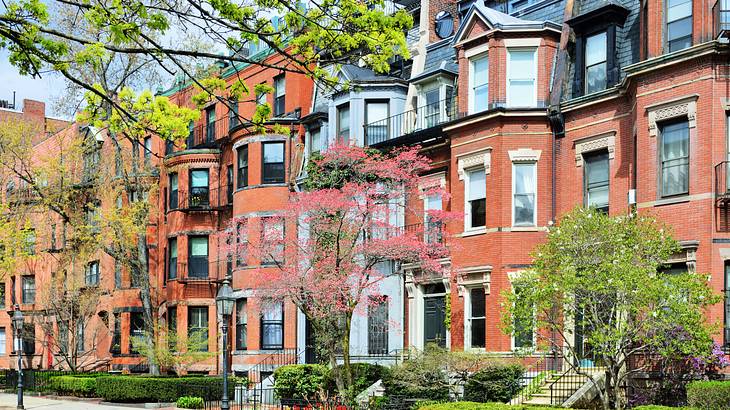

The City of Neighborhoods
Boston is often called the "City of Neighborhoods" because of its many distinct districts spread across a relatively small area.
Areas like Beacon Hill, the South End, and Back Bay each have their own architecture, history, and character, shaped by different periods of development and waves of residents. The same nickname is also used for other cities, including Philadelphia.
The City on a Hill
The "City on a Hill" ranks among the oldest Boston nicknames, dating back to John Winthrop's 1630 sermon, delivered as English Puritans traveled to New England. Winthrop hoped the Massachusetts Bay Colony, Boston included, would serve as a moral example to the rest of the world.
The colony eventually became far more secular than Winthrop intended. The phrase isn't widely used in everyday speech today, but historians still apply it when referring to Boston's founding era.
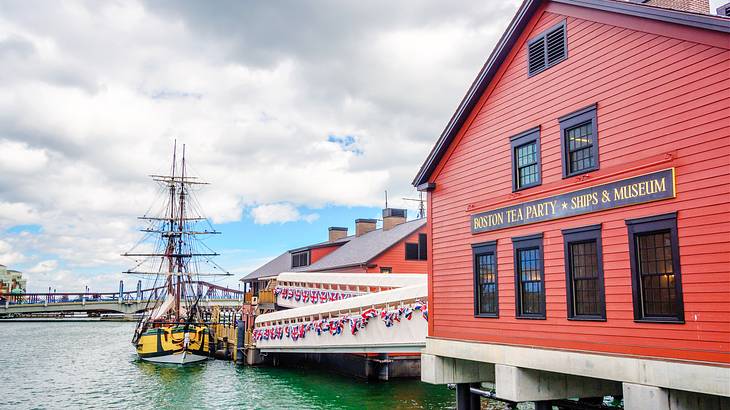

The Cradle of Liberty
Plenty of American Revolution events unfolded in Boston during the 1700s, including the Boston Tea Party and the Boston Massacre, which earned the city the title "The Cradle of Liberty."
The nickname honors the colonial leaders and activists who pushed for independence from British rule. Boston's revolutionary history is evident throughout the city's museums, monuments, and landmarks.
These days, the phrase more often refers specifically to Faneuil Hall, the public marketplace and meeting hall where many of those early debates took place.
Philadelphia, once again, also claims the same nickname due to its equally central role in American independence, including hosting the Continental Congress and the signing of the Declaration of Independence.
Titletown
"Titletown" is another contested sports nickname Boston claims for itself. The math works out: the New England Patriots have won six Super Bowls, the Red Sox have nine World Series, the Bruins six Stanley Cups, and the Celtics lead all of them with 18 NBA championships after their 2024 Finals win.
Wisconsin often tries to claim Titletown, too, due to the Green Bay Packers' multiple championships, but Bostonians don't tend to surrender ground on this one.
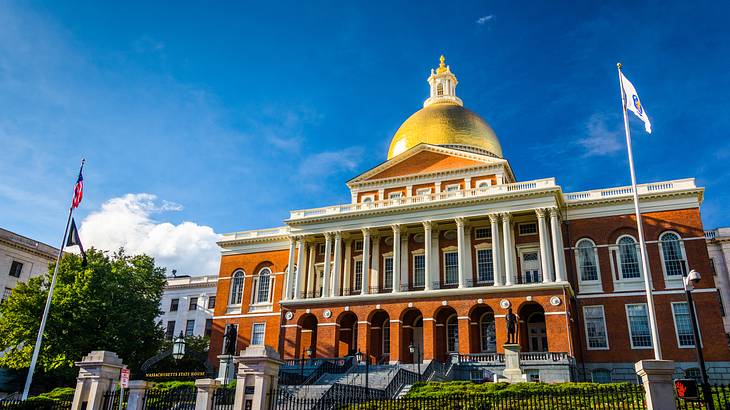

The Hub of the Universe
Originally coined in 1858, the nickname "The Hub of the Universe" comes from writer Oliver Wendell Holmes Sr., who described the Boston State House as "the hub of the solar system" in his series The Autocrat of the Breakfast-Table.
Holmes was poking fun at Boston's reputation for thinking of itself as the center of American intellectual and commercial life. The phrase started as satire, but Bostonians eventually embraced it.
Over time, the State House reference expanded to apply to all of Boston, and "solar system" was upgraded to "universe." The shortened version, "The Hub," is the one you'll hear most often today, especially in sports broadcasts.
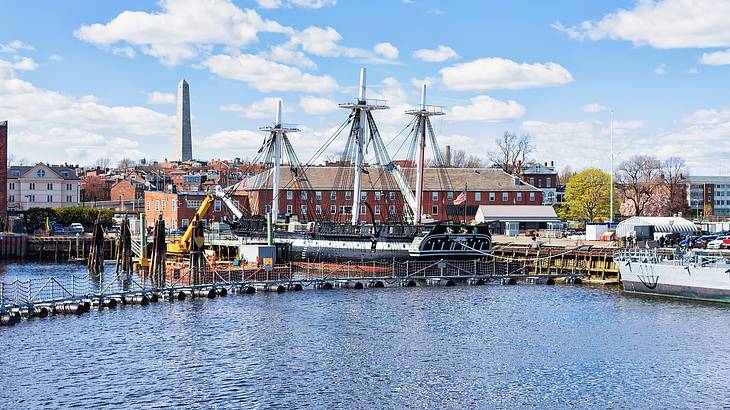

The Olde Towne
As one of the oldest cities in the continental US, Boston has long answered to "The Olde Towne." St. Augustine, Florida, holds the title of oldest, founded in 1565, while Boston followed in 1630.
Many Boston neighborhoods have preserved their Colonial-era architecture, which gives the city a historic feel and draws steady tourist traffic.
The nickname also has a sporting connection: sportswriters have long referred to the Boston Red Sox as "The Olde Towne Team," tying the city's age to its most storied franchise.
The City of Kind Hearts
Helen Keller called Boston "The City of Kind Hearts" in her 1903 autobiography, The Story of My Life. Born in Tuscumbia, Alabama, Keller studied at the Perkins School for the Blind in South Boston between 1888 and 1892.
Her essay "My Recollections of Boston, The City of Kind Hearts" described the people who made her experience in the city so positive, especially Mr. William Endicott, whose friendship inspired the phrase. The nickname isn't in common use, but plenty of Bostonians know it warmly.

The Puritan City
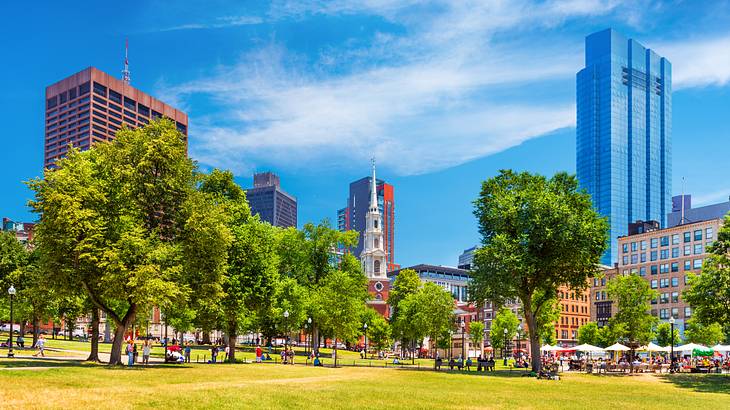
Named after the city's founders, "The Puritan City" refers to the religious settlers who established Boston in 1630. Led by John Winthrop, the Puritans sailed from England aboard the Arbella in search of greater religious freedom. They are often confused with the Pilgrims, who arrived earlier at Plymouth aboard the Mayflower in 1620.
When the Puritans settled on the Shawmut Peninsula, they were welcomed by Reverend William Blackstone, an Anglican clergyman who had been living there alone since 1625. Today, Boston's diverse culture and religions mean the nickname is rarely used.
In Summary
Boston's collection of nicknames says a lot about the city itself, from its revolutionary history and Puritan roots to its sports culture and willingness to lean into its own quirks.
Some of these titles have faded into the background, while others, like Beantown and The Hub, still get plenty of mileage. Together, they reflect how the city has been viewed by both residents and outsiders across four centuries.

Want to keep exploring?
Subscribe for our latest guides.
Thank you for subscribing
We will be in touch soon with our latest guides.
Want to keep exploring?
Subscribe for our latest guides.
Thank you for subscribing
We will be in touch soon with our latest guides.