
15 Las Vegas Nicknames and Their Origins

Destguides may receive commissions from purchases made through affiliate links in this article.
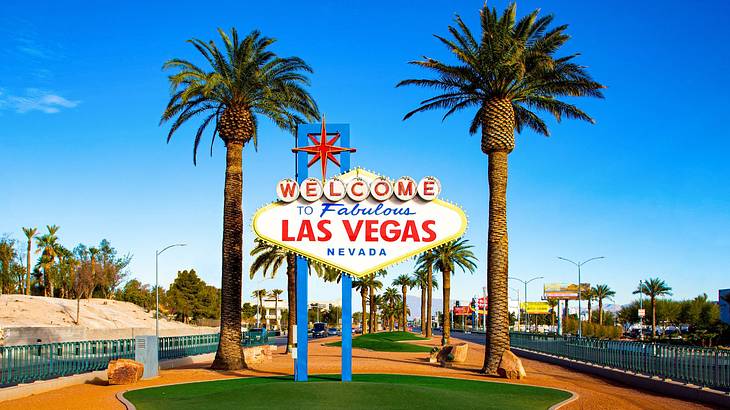

Las Vegas was founded in 1905 as a railroad stop in the Mojave Desert. Within a century, it became one of the most visited cities in the United States, drawing around 40 million visitors a year.
That kind of transformation earns a reputation, and the city has picked up plenty of names along the way. These Las Vegas nicknames range from playful jabs to titles the city proudly promotes. Keep reading to learn what 15 of them mean and where they came from.
15 Nicknames for Las Vegas
- Adult Disneyland
- Desert Oasis
- Sin City
- The City of Lights
- The City of Lost Wages
- Glutton's Paradise
- The City of Opportunity
- Hawaii's Ninth Island
- The Capital of Second Chances
- The Entertainment Capital of the World
- The Gambling Capital of the World
- The Wedding Capital of the World
- The Neon Capital of the World
- The Divorce Capital of the World
- The City That Never Sleeps

Adult Disneyland
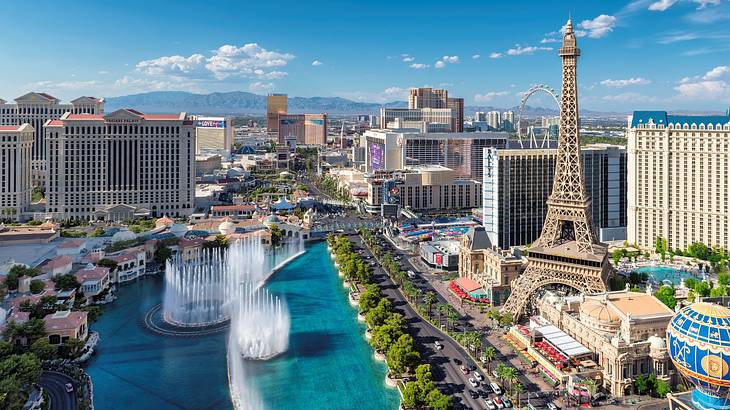
With its bright lights, countless shows, and casinos geared toward visitors 21 and older, Las Vegas has long been compared to an adult playground. The city offers activities, rides, and street performers at every turn, making the comparison with Disneyland easy to understand.
In recent years, though, the Strip has added more family-friendly attractions to appeal to children and adults who want to skip the gambling tables.
Desert Oasis
The Las Vegas Strip is one of Nevada's most famous landmarks. Today, it might be lined with towering resorts, but when the city was founded in 1905, the area was an open desert.
The first bright casinos and restaurants stood out against the barren surroundings, which led to people calling it a "Desert Oasis." The nickname also has much older roots.
Long before settlers arrived, natural springs fed lush grasses across the valley. The site was a wetland oasis in the Mojave, and the name Las Vegas itself is Spanish for "the meadows."
Sin City
No nickname is more closely tied to Las Vegas than "Sin City". It is practically interchangeable with the city's real name and appears on countless pieces of promotional material.
The name refers to the many vices visitors can indulge in during a trip. It is often paired with the slogan "What happens in Vegas, stays in Vegas," which was created by the advertising agency R&R Partners for the Las Vegas Convention and Visitors Authority in 2003.
The exact origin of the Sin City label is debated. Some trace it to the early 1900s, when an area known as Blocks 16 and 17 became a hub for saloons, gambling, and other illicit activities.
The earliest known published use appears in the title of a 1963 book, Las Vegas: City of Sin? by casino executives Dick Taylor and Pat Howell. Regardless of when it first appeared, the nickname has stuck ever since.

The City of Lights
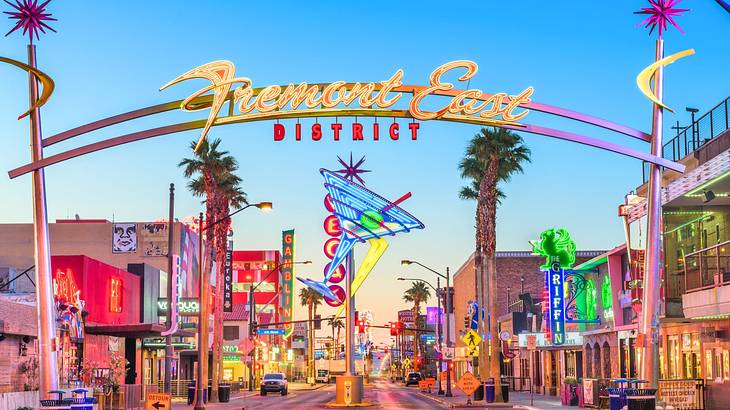
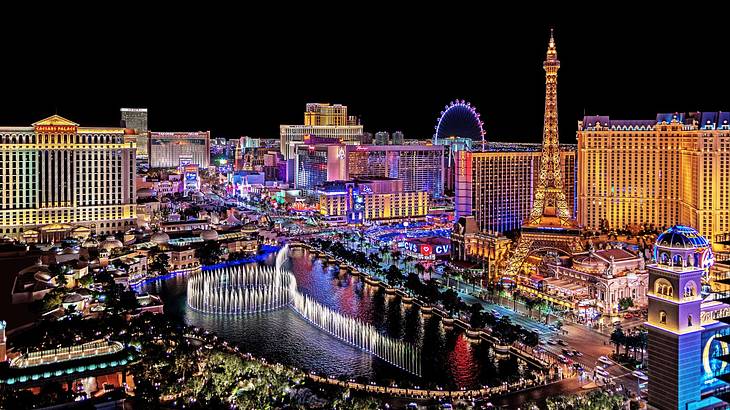
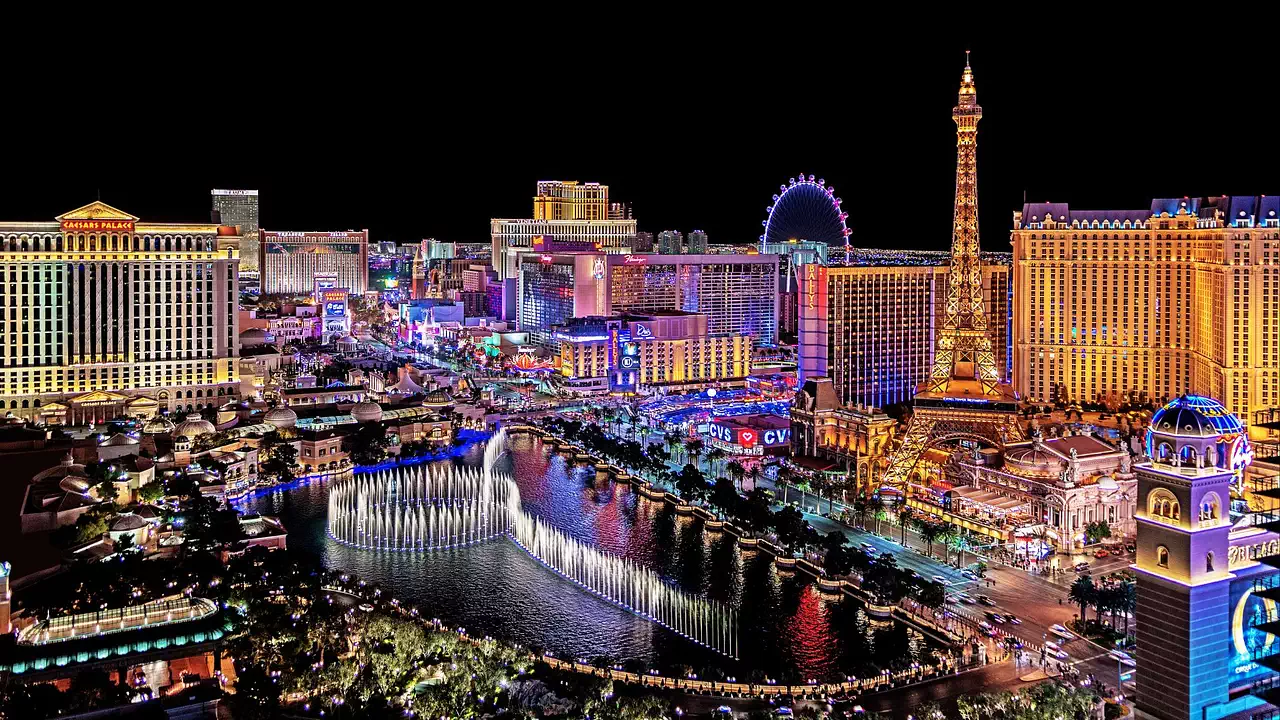
Paris may be the city most famously known by this title, but Las Vegas shares it. The sheer volume of neon signs, LED displays, and illuminated buildings across the city makes the comparison fitting.
The reputation for brightness extends well beyond the main Strip. Downtown Vegas is famous for its neon, and the Fremont Street Experience hosts a nightly light show under a massive LED canopy that stretches across five blocks.
The City of Lost Wages
Credited to comedian Milton Berle, "The City of Lost Wages" is a nickname that hits close to home for many visitors. Las Vegas is a gambling haven, and plenty of people arrive hoping to leave with big winnings.
As most experienced players know, though, the house always wins. Most tourists gamble responsibly and set a limit for how much they are willing to lose. Still, the name also touches on the dependency that gambling can create.
Glutton's Paradise
Las Vegas has no shortage of ways to indulge. The abundance of bars, casinos, and all-you-can-eat buffets helped earn it the name "Glutton's Paradise."
The Strip was originally known for cheap food options, which helped take the sting out of losses at the tables. Today, visitors can find world-class culinary options alongside the classic buffets, making Las Vegas a top food destination.


The City of Opportunity
This particular title most often refers to career opportunities. Because so many jobs exist in the entertainment, hospitality, and service industries, Las Vegas draws people seeking a fresh start.
Singers, dancers, magicians, and other performers flock to the city for a chance to build a career. A 2005 PBS documentary on Las Vegas's history noted the city could "add City of Opportunity" to its many names, citing its unmatched job prospects and booming real estate market.
Hawaii's Ninth Island
Clark County is home to one of the largest Native Hawaiian populations outside of Hawaii, estimated at more than 50,000 people. The nickname traces back to the California Hotel and Casino in Downtown Las Vegas.
Founded in 1975 by Sam Boyd, who grew up in Honolulu, the casino initially targeted Californians. When that strategy fell flat, Boyd pivoted to marketing travel packages to Hawaiians instead. It worked.
Affordable housing, lower cost of living, and a tourism-driven economy drew a steady stream of Hawaiian residents to Las Vegas over the following decades.
Today, the city has a thriving Hawaiian food scene and a well-established community that keeps the connection between the two places alive.
The Capital of Second Chances
Part of what defines Las Vegas is that it is always changing. There is a local joke that nothing on the Strip ever gets old, since buildings are constantly being remodeled, torn down, or rebuilt.
This cycle of reinvention has earned the area the nickname "The Capital of Second Chances." People visit or relocate to Las Vegas every year, looking to start over, making it a city closely associated with fresh beginnings.

The Entertainment Capital of the World
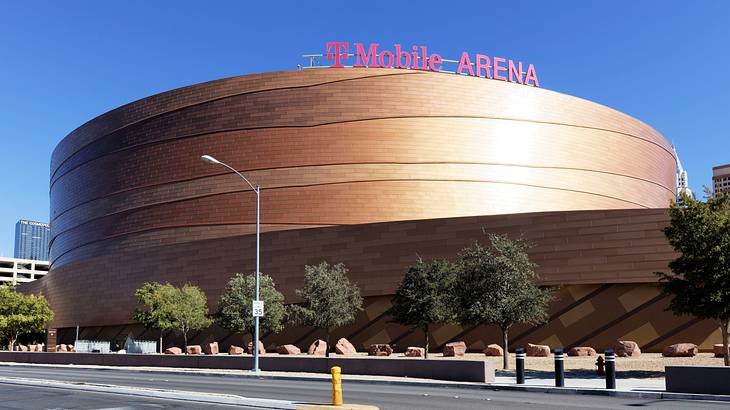
Las Vegas has long been known as "The Entertainment Capital of the World." Between concerts, magic shows, acrobatic performances, and comedy acts, there is no shortage of things to see during a visit.
The Las Vegas Convention and Visitors Authority has promoted this title since the late 1940s, and the city has only strengthened its claim in recent years.
Since 2017, it has been home to the Golden Knights professional hockey team, and in 2020, the Raiders football team relocated to the area, adding major league sports to the mix.
The Gambling Capital of the World
Las Vegas is no longer the world's top gambling destination by revenue. Macau, China, surpassed it years ago, but the reputation endures. The city has dozens of major casinos, not including the smaller gambling areas and slot machines found around the Strip.
The Las Vegas Strip alone generated roughly $8.8 billion in gaming revenue in 2025. So while gambling is far from the only reason people visit, it remains a major draw.

The Wedding Capital of the World
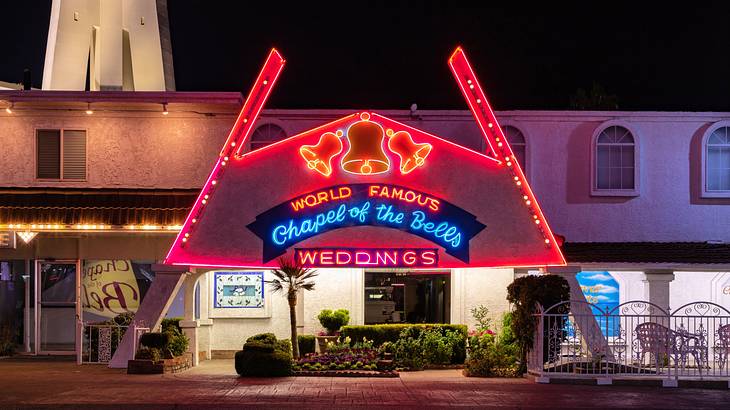
Las Vegas's popularity as a wedding destination has become part of pop culture. Clark County's own website calls itself "The Wedding Capital of the World."
Nevada has no waiting period and no blood test requirement for a marriage license, and couples can obtain their license and get married on the same day. That ease makes Las Vegas a popular choice for elopements.
The combination of convenience, round-the-clock chapel availability, and the city's festive atmosphere keeps the wedding industry thriving.
The Neon Capital of the World
One look at Las Vegas at night, and it is easy to see why it has been called "The Neon Capital of the World," sometimes shortened to "Neon City."
The city's relationship with neon dates back to the 1930s, when casinos along Fremont Street started putting up bright and elaborate signs. The nearby Hoover Dam played a role in Las Vegas's early growth, though the dam provides only a small fraction of the city's electricity today.
The Neon Museum showcases some of the city's retired signs in an outdoor exhibition space known as the Neon Boneyard. The city also hosts the annual Neon City Festival, a celebration of its luminous identity.
The Divorce Capital of the World
Given that Las Vegas is known as the World's Wedding Capital, it follows that it also carries the title of "The Divorce Capital of the World."
Because couples can obtain a marriage license and wed on the same day, a number of impulsive marriages happen in Las Vegas, and some of those do not last. Visitors may not be thinking clearly due to alcohol or the adrenaline of winning at a casino, which can lead to impromptu weddings.
Nevada also historically had liberal divorce laws. In 1931, the state reduced the residency requirement for a divorce to just six weeks, making it a destination for people looking to end a marriage quickly.
The City That Never Sleeps
New York City may hold this title on the East Coast, but Las Vegas claims it in the West. Many of the city's casinos operate around the clock, and because casinos are famously designed without clocks or windows to help players lose track of time, the city runs on its own schedule.
Visitors can catch shows, grab a meal, or gamble well into the early hours of the morning on any given night.
In Summary
Every nickname on this list reflects a different side of Las Vegas. A few go back more than a century to when the city was nothing but a railroad stop surrounded by desert.
The rest arrived as gambling, entertainment, and quick weddings turned it into a global destination. Together, they capture why no other city in the country is quite like Las Vegas.

Want to keep exploring?
Subscribe for our latest guides.
Thank you for subscribing
We will be in touch soon with our latest guides.
Want to keep exploring?
Subscribe for our latest guides.
Thank you for subscribing
We will be in touch soon with our latest guides.