
13 Nicknames for America and the Stories Behind Them

Destguides may receive commissions from purchases made through affiliate links in this article.
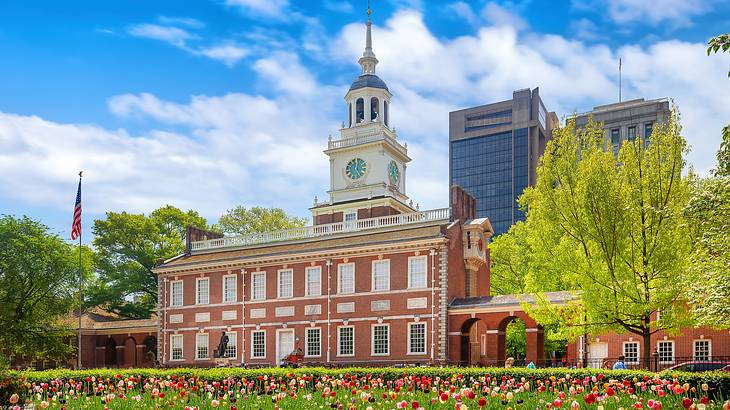

The United States is a country known for its diverse landscapes, cultures, and influential global role. Beyond its iconic landmarks and storied past, America has earned a variety of nicknames over the years that reflect its multifaceted identity.
While several nicknames for America trace back to its founding ideals and historical events, others highlight the country's opportunities, cultural diversity, and national symbols. If you're curious about the many alternate names for the U.S., keep reading to explore 13 fascinating nicknames and the stories behind them.
13 USA Nicknames
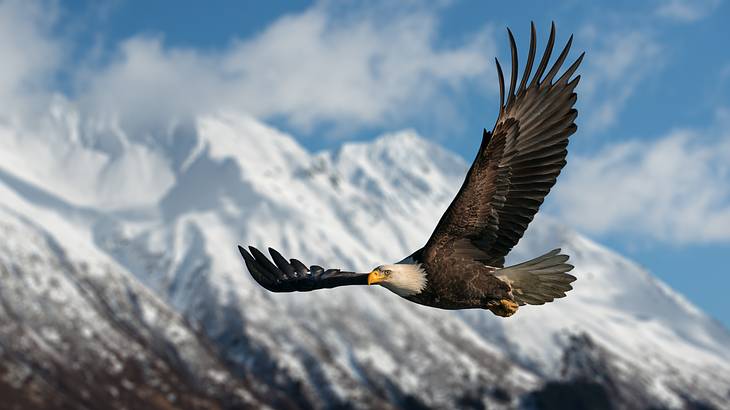

Eagleland
While not a common nickname, "Eagleland" will make sense to most. The American bald eagle, native to North America, has been the country's national bird since 1782.
Today, the United States is home to a thriving population of these majestic birds, with a 2020 estimate suggesting there were around 316,000 bald eagles in the lower 48 states. Given the bald eagle's importance in American symbolism and its widespread presence, the nickname "Eagleland" feels especially fitting!
Murica
"Murica," sometimes spelled "Merica," is a slang or exaggerated pronunciation of "America." It's often used humorously — and sometimes mockingly — to depict a stereotypical, hyper-patriotic image of the U.S., primarily associated with rural or Southern white culture. The term gained popularity through internet memes and social media, where it's used both by Americans and people outside the U.S.

City on a Hill
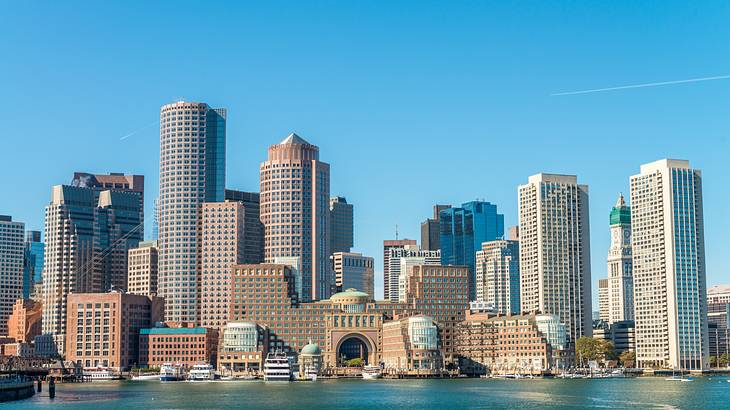
One of the more historic American nicknames is "City on a Hill," phrased initially as "a city upon a hill." This expression dates back to 1630, when Puritan leader John Winthrop used it in his sermon A Model of Christian Charity while sailing to New England with the Massachusetts Bay colonists.
He described their new community as "a city upon a hill," suggesting it would serve as a model for others. Because Winthrop and his fellow settlers went on to establish the Massachusetts Bay Colony—centered in what would become Boston—the phrase is also sometimes associated with the city.
Over time, the phrase evolved in American political rhetoric. It was later shortened to "City on a Hill," and famously expanded by President Ronald Reagan into "a shining city upon a hill," emphasizing America's role as a moral beacon. Other leaders, including John F. Kennedy and Barack Obama, also used variations of the phrase in speeches about national purpose and identity.
Empire of Liberty
"Empire of Liberty" is another historical moniker, closely tied to Thomas Jefferson and his vision of an expanding nation based on freedom and self-government. He first used the phrase in 1780 during the Revolutionary War, in a letter expressing hope that the U.S. would grow while preserving its republican ideals.
Over time, the term became associated with broader American policies, including the Monroe Doctrine, as the U.S. began to see itself as a promoter of liberty beyond its borders.

The Home of the Brave
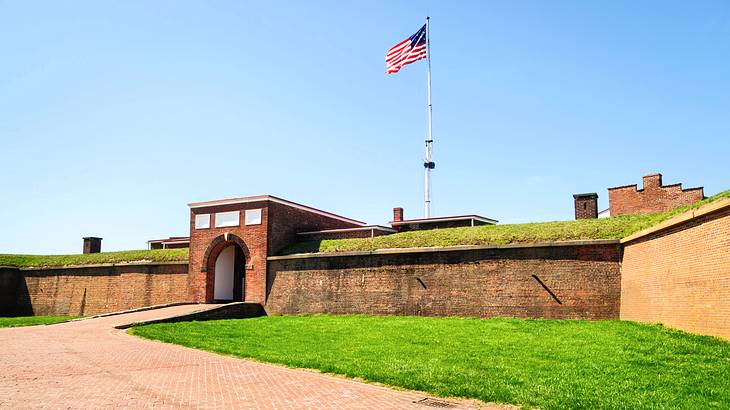
The United States is often called the "Home of the Brave," a phrase taken from the final line of the national anthem, The Star-Spangled Banner, which includes the words, "O'er the land of the free and the home of the brave."
Written in 1814 by Francis Scott Key, the anthem's closing words have since become a widely recognized patriotic nickname. The phrase celebrates the courage and resilience of Americans, particularly during times of war and national challenge.
The Land of Opportunity
The United States is often referred to as the "Land of Opportunity," a nickname that reflects the country's long-standing reputation for offering economic, educational, and social advancement. This idea is closely tied to the concept of the American Dream — the belief that anyone, regardless of background, can succeed through hard work and determination.
For centuries, both terms have drawn immigrants to the U.S., inspired by the promise of a better life. While the nickname is still widely used today, some argue that the opportunities it suggests are not as accessible or guaranteed as they once seemed.
The Land of the Free
Like "Home of the Brave," the nickname "Land of the Free" once again comes from the US national anthem. It emphasizes the country's commitment to liberty and freedom for its citizens.
This ideal of freedom was a driving force for the Founding Fathers during the American Revolutionary War as they fought for independence from Britain. It also connects to the War of 1812, which inspired Francis Scott Key to write the words that became the anthem's famous closing line.
The Melting Pot
Though not the most widely known, the "Melting Pot " is a nickname for the United States that reflects its diverse cultural, ethnic, and religious population. The term suggests a place where individuals of different backgrounds come together to form a unified society.
Similar metaphors like "Mosaic" or "Kaleidoscope" emphasize diversity as well, but highlight the coexistence of distinct identities rather than blending. "Melting Pot" is also commonly used as a nickname for New York City, known for its particularly diverse population.

The New World
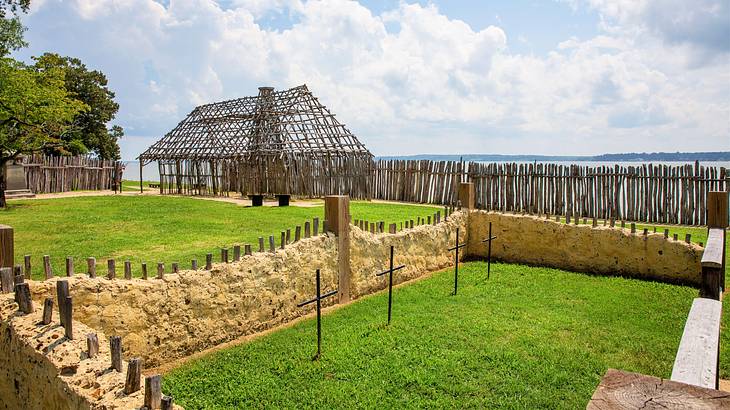
One of the oldest nicknames associated with the United States is the "New World." Explorers of the 15th and 16th centuries, such as Christopher Columbus and Amerigo Vespucci (after whom the Americas are named), first used this term to describe the entire Americas, including the land that would become the United States.
From the European perspective, these lands were "new," though they had been home to Indigenous peoples for thousands of years. While the term is less commonly used today to refer specifically to the United States, it remains widely recognized.
U.S. of A.
The term "U.S. of A." is a shortened, casual, and playful way of referring to the United States of America. While most people commonly use "USA" or "the US," the phrase "U.S. of A." adds a friendly, informal tone and is often used in conversational or lighthearted contexts.
Uncle Sam / Uncle Sam's Country
"Uncle Sam" is a personification of the United States government and the country as a whole. The name is often used to signify the U.S., as it starts with the letters "U" and "S."
This symbol originated around the 19th century, most likely during the War of 1812. The name "Sam" is believed to be linked to Samuel Wilson, a meatpacker from New York who supplied rations to soldiers during that war.
The character of "Uncle Sam"—typically depicted as a tall man with a grey beard and a top hat—has appeared in many political campaigns and advertisements, including famous recruitment posters for World War I and World War II. While "Uncle Sam" isn't as commonly used in modern political campaigns, the figure remains widely recognized.

The Great Experiment
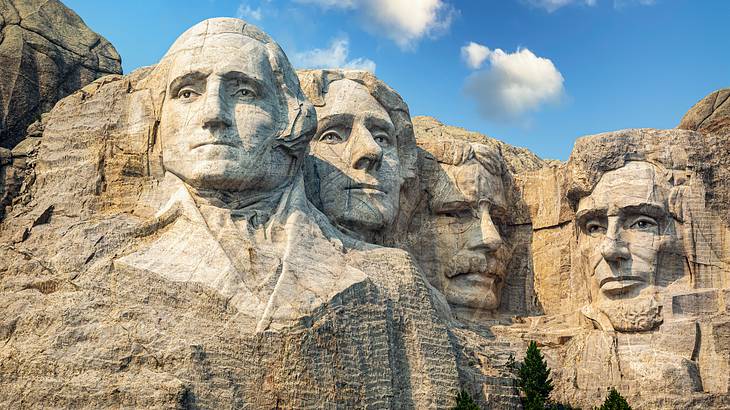
The "Great Experiment" is a nickname linked to George Washington and the other Founding Fathers. They used the phrase when discussing the creation of the United States, referring to the attempt to build a new kind of country based on ideals and rules not followed by earlier nations.
However, this new system was far from fair or equal. It mainly favored white male colonists, allowed slavery, and involved harsh treatment of Native Americans and other groups. While the "Great Experiment" isn't used as a casual nickname today, it remains common in historical and academic discussions about the birth of the United States.
The States
"The States" is a shortened, informal way to refer to the United States of America. This term is often used more by people outside the U.S. than by Americans themselves, but some Americans do use "the States" in everyday conversation.
In Conclusion
As a large and globally recognized country, it's no surprise that there are many nicknames for the United States. While several of these monikers focus on the country's early history, others reflect more modern characteristics, like its diversity and cultural symbols.
Now that you've read through this list, you should have a good understanding of some of the most well-known alternate names for the U.S. and the history behind them. You might even now feel inspired to plan a trip to the United States to explore its history and culture!

Want to keep exploring?
Subscribe for our latest guides.
Thank you for subscribing
We will be in touch soon with our latest guides.
Want to keep exploring?
Subscribe for our latest guides.
Thank you for subscribing
We will be in touch soon with our latest guides.