
South Carolina Nicknames | The Palmetto State

Destguides may receive commissions from purchases made through affiliate links in this article.
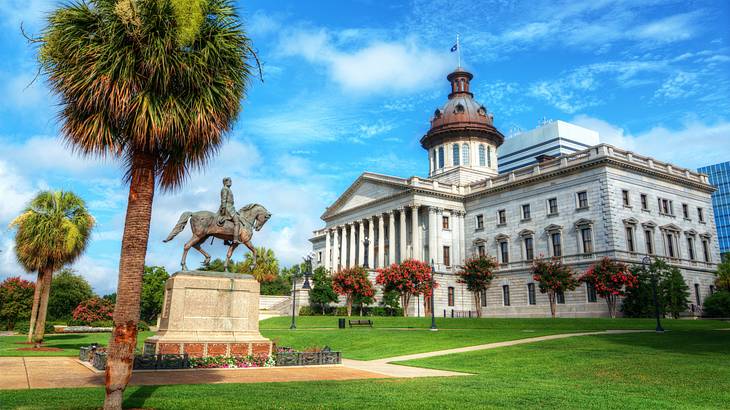

Located along the Atlantic Coast, South Carolina is a welcoming state with a rich history and a variety of nicknames. From the "Palmetto State," a title born during the American Revolutionary War, to the "Rice State," which reflects South Carolina's agricultural roots, each nickname highlights a different facet of the state's identity.
Beyond its historical and agricultural legacy, South Carolina has earned other monikers that reflect its geography, natural beauty, and national political influence. Keep reading to learn more about seven interesting nicknames for South Carolina and the stories behind them.
7 Nicknames for South Carolina

The Iodine State
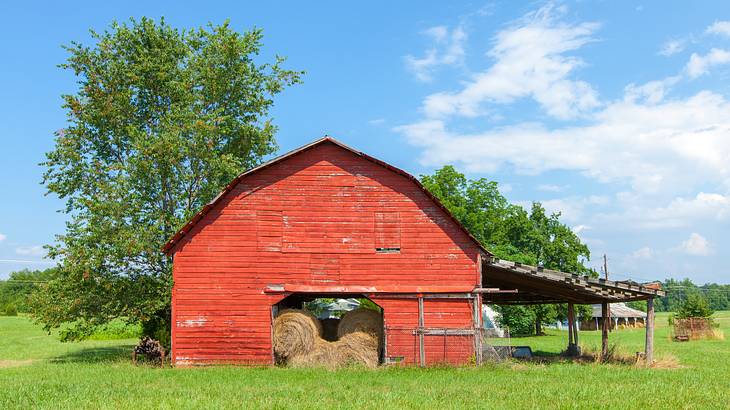
Before becoming known as the "Palmetto State," South Carolina had an unusual official nickname: the "Iodine State." In the 1930s, the South Carolina Natural Resources Commission promoted the state's food products—especially vegetables and milk—as having a higher iodine content than similar items from other regions.
Iodine, a nutrient believed to prevent health issues like goiter, became a key selling point. This marketing push to position South Carolina's items as healthier and more desirable gave the state a temporary edge and led to its nickname, the "Iodine State."
Eventually, producers in other states caught on and began adding iodine to their own products, ending South Carolina's unique claim—and the era of the "Iodine State" nickname.
The Rice State
The "Rice State" refers back to the mid-1800s and earlier, when South Carolina was a major producer of rice, thanks to its fertile coastal lands and intricate irrigation systems. Rice was first cultivated along the coast in the latter half of the 17th century.
By the 1850s, about half of the total rice crop in the United States came from South Carolina, giving the state a significant role in the national economy. However, the nickname "Rice State" is rarely used today, as Arkansas has since become the leading rice producer in the U.S.

The Swamp State
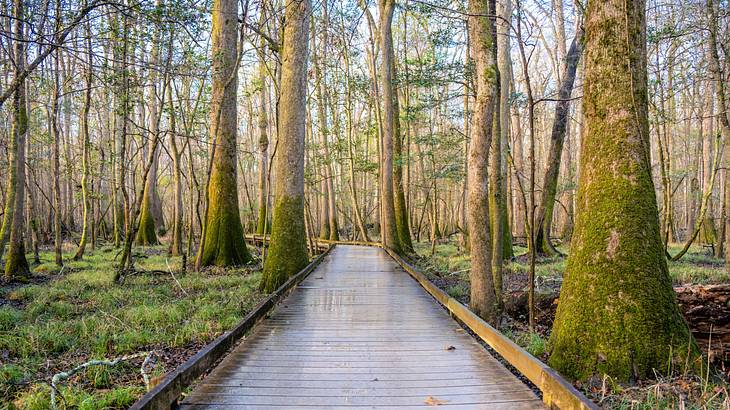
The "Swamp State" nickname refers to South Carolina's many swamps and wetlands, particularly in the coastal plains. These landscapes are more than just scenic or adventurous places to explore—they've played a significant role in shaping the state's history and economy.
As mentioned above, South Carolina was once a major producer of rice. The swamp-like environment, with its flat, water-rich lowlands, provided ideal conditions for growing rice in flooded fields. The success of this agricultural system helped fuel the state's economy for generations.
Beyond farming, the swamps have also influenced South Carolina's culture, from cuisine and folklore to the development of early settlements. Although the "Swamp State" is not a widely used nickname today, it reflects a meaningful connection between the land and the people who lived and worked there.
The Palmetto State
The official nickname for South Carolina is the "Palmetto State." Many believe this name comes from the abundance of Sabal palmetto trees in the region. While that's partially true, the nickname actually traces its origins back to the American Revolution.
During the Battle of Sullivan's Island in 1776, South Carolinian soldiers—under the command of Colonel William Moultrie—built a fort from palmetto logs. The soft, fibrous wood absorbed the impact of British cannon fire, helping the defenders successfully repel the attack. This victory cemented the palmetto tree as a powerful symbol of resilience and defiance.
Today, the Sabal palmetto is also the official state tree. Its image appears on the state flag and seal, reinforcing the tree's lasting legacy in South Carolina's identity.
The Keystone of the South Atlantic Seaboard
This nickname refers to South Carolina's distinctive wedge shape. If you look at a map of the state, it resembles a neat triangular piece that fits snugly along the South Atlantic Seaboard. Interestingly, South Carolina borders only two other states—North Carolina and Georgia—making it appear almost like a puzzle piece nestled between them.
Beyond its unique geography, the "Keystone of the South Atlantic Seaboard" nickname also highlights South Carolina's historical economic and political importance to the region. Just as a keystone holds an arch together, South Carolina has played a central role in the development and stability of the southeastern United States.

The Sandlapper State
The South Carolina nickname, "Sandlapper," has roots in a more offensive past. It was originally used to describe poorer citizens who lived along the sandy ridges of South Carolina. According to folklore, these individuals were so impoverished that they were said to "lap sand" to survive—a phrase meant to mock their living conditions.
Over time, however, the term has lost its negative connotation. Today, "Sandlapper" is commonly used to refer to any South Carolinian and is not considered derogatory. In fact, the nickname was once embraced in a more positive light—highlighted by the Sandlapper magazine, which helped redefine the term and reshape its image both within the state and beyond.
The Seaboard State
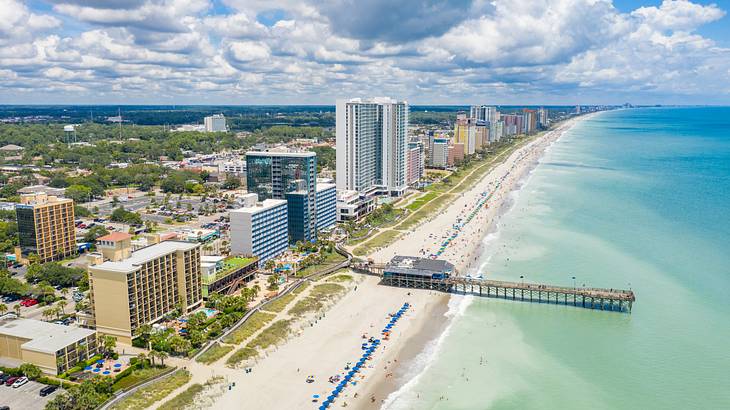
The "Seaboard State" is not an official nickname, but you might hear it when referring to South Carolina. This nickname comes from the state's coastline along the Eastern Seaboard, which includes popular cities like Myrtle Beach and others.
Each year, millions of tourists visit these areas to enjoy outdoor activities, historic sites, and southern hospitality. The coastline is also important for South Carolina's economy, supporting the tourism, shipping, and fishing industries.
In Summary
South Carolina's nicknames serve as a framework for understanding the state's multifaceted identity. Each nickname tells a unique story, reflecting the historical events, natural resources, and cultural influences that have shaped its character.
From the strength symbolized by the "Palmetto State" moniker to the agricultural and economic significance reflected in the "Rice State" nickname, these names and others capture the essence of South Carolina's past and present.

Want to keep exploring?
Subscribe for our latest guides.
Thank you for subscribing
We will be in touch soon with our latest guides.
Want to keep exploring?
Subscribe for our latest guides.
Thank you for subscribing
We will be in touch soon with our latest guides.