
12 Indianapolis Nicknames That Will Surprise You

Destguides may receive commissions from purchases made through affiliate links in this article.
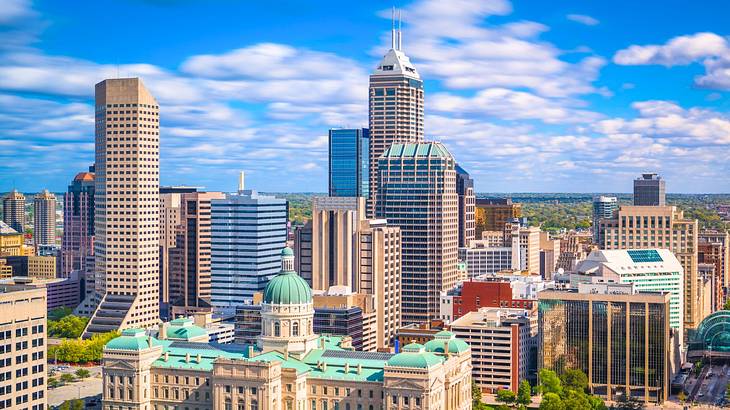
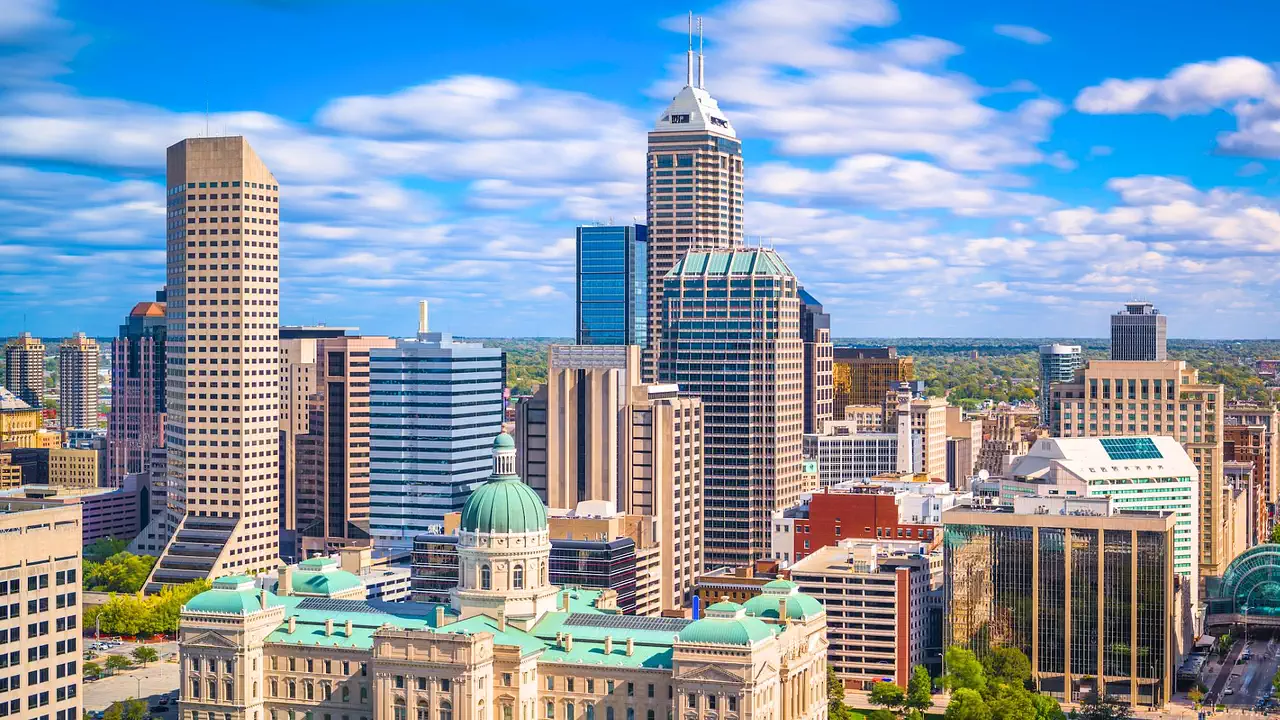
Indianapolis not only sits almost dead center in Indiana, but it is also home to the most famous racetrack in the country, a Monument Circle dating back to 1821, and a jazz history that most people no longer know about.
That mix of history, geography, sports, and culture has produced a long list of Indianapolis nicknames. Some are casual abbreviations locals use every day. Others trace back to when surveyors first laid out the city's signature circle. Here are 12 nicknames and the stories behind each.
12 Nicknames for Indianapolis

Corn Belt City
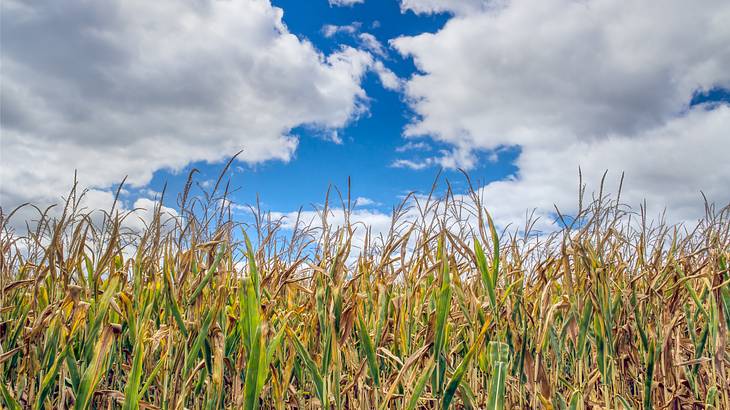
The Corn Belt covers a wide area of the Midwest, including Iowa, Illinois, and most of Indiana, where high-yield corn production has shaped the regional economy for over a century. Indianapolis, as the capital of one of the country's biggest corn-producing states, fits squarely within it.
The nickname "Corn Belt City" picked up steam in the 1980s, when national media used it as part of the longer phrase "Corn Belt City with Sun Belt Sizzle" to describe the city's reinvention. It captured the contrast between Indianapolis's agricultural roots and its growing reputation as a modern, business-friendly destination.
The Amateur Sports Capital of the World
Indianapolis built this nickname through deliberate effort. Starting in the late 1970s, city leaders launched an urban renewal initiative to make Indiana a major sports destination. The city was the first in the country to establish a sports commission, and it has hosted hundreds of national and international sporting events since.
Several major amateur sports organizations are based in Indianapolis, including the National Collegiate Athletic Association and the National Federation of State High School Associations. Together, these institutions and the city's sports infrastructure earned Indianapolis its reputation as the "Amateur Sports Capital of the World."

Circle City
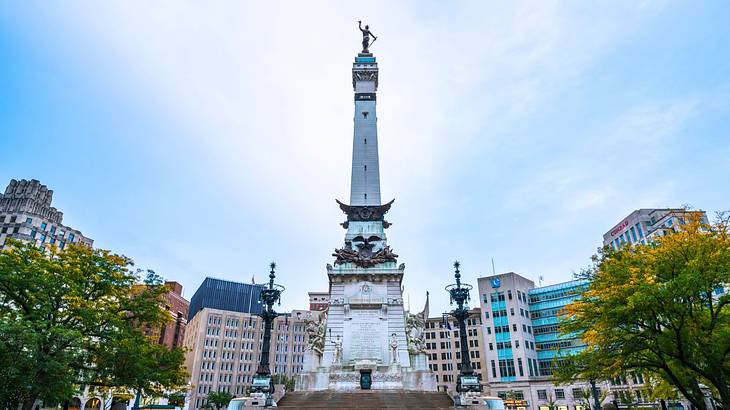
The "Circle City" nickname comes from the city's original 1821 plan, drawn up by surveyors Alexander Ralston and Elias Pym Fordham. Ralston had previously worked on the layout of Washington, D.C., and gave Indianapolis a similar centerpiece: a circular street at the heart of downtown, originally called Governor's Circle.
The Soldiers' and Sailors' Monument in the center was completed in 1902, and the area became known as Monument Circle. Circle City remains one of Indianapolis's oldest and most recognizable nicknames.
The Cinderella of the Rust Belt
Like many Midwestern cities, Indianapolis suffered industrial decline through much of the 20th century, losing factories, jobs, and population to economic shifts. By the late 1900s, Indianapolis had been lumped in with the broader Rust Belt label.
The turnaround came through heavy investment in sports infrastructure, downtown development, and tourism. In September 1985, Newsweek ran a piece on the city's revitalization and gave Indianapolis the "Cinderella of the Rust Belt" label. The phrase stuck as shorthand for its reinvention.

Crossroads of America
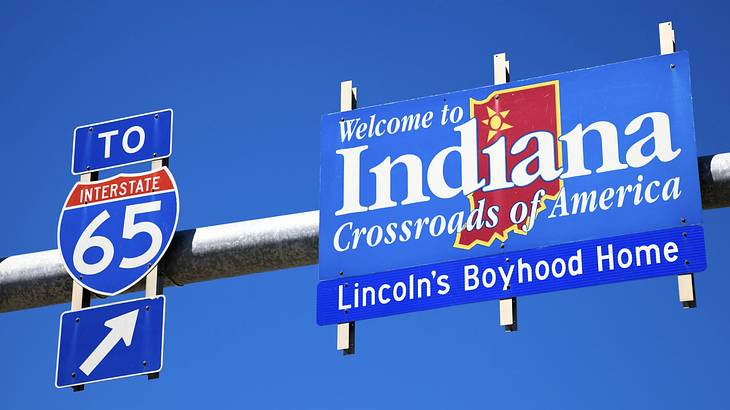
This is the official motto of the state of Indiana, adopted by the Indiana General Assembly in 1937. It reflects the state's role as a transportation hub, first for railroads in the 19th century and later for the interstate highway system that crisscrosses the region.
As Indianapolis sits near the geographic center of Indiana, it is the literal crossroads of the "Crossroads of America." The city formally adopted the slogan as its own in 1988, and it remains the official tagline used by both the state and its capital.
Naptown
Despite what the name suggests, "Naptown" has nothing to do with sleepiness. Black jazz musicians in Indianapolis coined the term in the 1920s as a shorter, catchier way to refer to the city. The earliest known print reference shows up in a 1927 article in the Indianapolis Recorder, an African-American newspaper still in circulation today.
The name later took on a second life as a pejorative suggesting the city was dull. However, the original affectionate version has made a comeback through local businesses that still use it.

The Racing Capital of the World
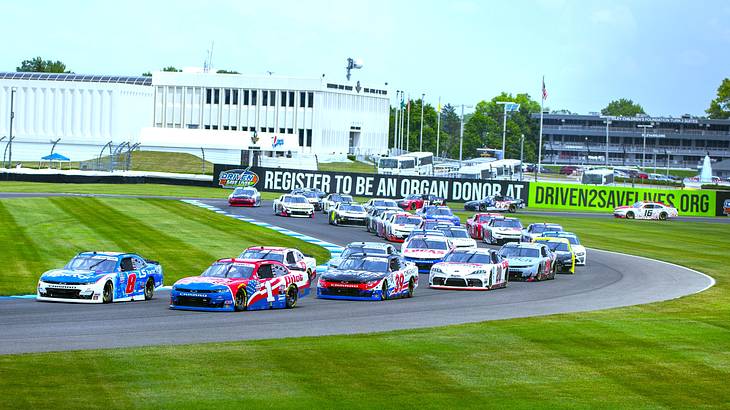
This title is officially trademarked by the Indianapolis Motor Speedway, the most famous racetrack in the United States and one of the most recognizable in the world.
The Speedway has been holding races since 1909 and is best known for the Indianapolis 500, an annual event that draws hundreds of thousands of spectators every Memorial Day weekend.
The nickname extends beyond the Speedway itself and is often applied to the city as a whole. While locals don't use it in everyday conversation, it appears constantly in tourism materials and racing coverage, and it remains one of Indianapolis's most internationally recognized titles.
Indy
"Indy" is the city's most widely used nickname, and the one locals reach for almost every time. It is simply a shortening of the first two syllables of Indianapolis.
Still, the nickname shows up everywhere, from the names of public agencies like Indy Parks and Indy Go to media outlets like the IndyStar to sports teams like Indy Eleven and Indy Fuel. The city's tourism bureau is Visit Indy, and the city's official website is indy.gov.
The Indianapolis 500 is almost always called the Indy 500, even in official racing contexts. Indy has become so common that many residents use it without ever spelling out the full city name.

Railroad City
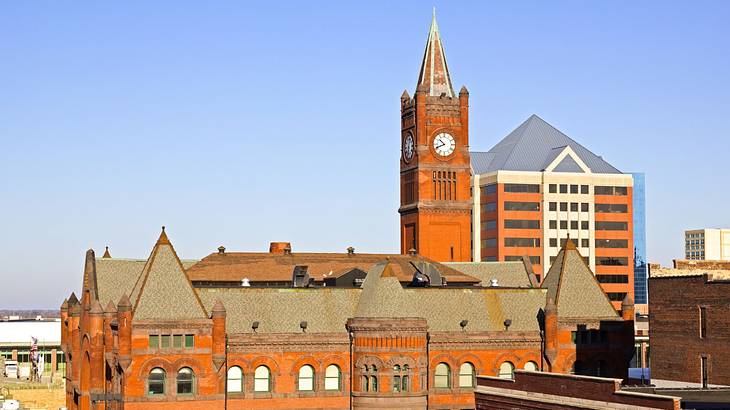
Indianapolis earned its reputation as a rail hub in the mid-19th century, when the Madison and Indianapolis Railroad arrived in 1847. Two years later, the Indianapolis Locomotive newspaper called the city the "City of Railroads," an early version of the nickname. By 1853, Indianapolis had opened the world's first union station, where multiple rail lines converged under one roof.
Journalist William R. Holloway used the name "Railroad City" in his 1870 history of the city, and it stuck for decades afterward. The nickname faded as automobiles and highways replaced trains, but it still shows up in historical writing and references to the city's industrial past.

Sportsville, USA
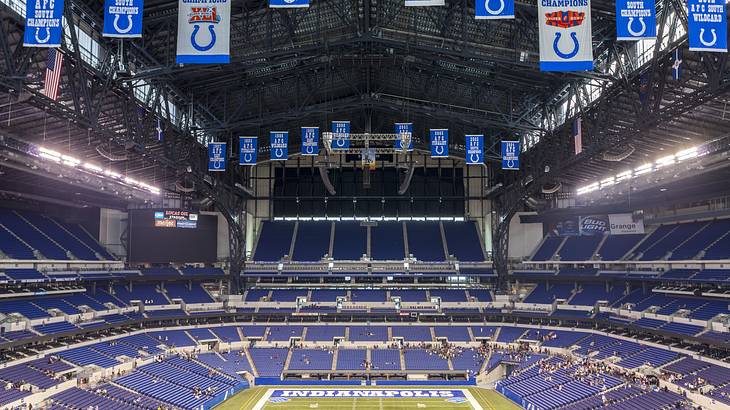
As mentioned earlier, Indianapolis spent millions on building athletic facilities and recruiting major sporting events, and the media responded with the "Sportsville, USA" tag. This nickname and the Amateur Sports Capital of the World name are related but distinct.
Amateur Sports Capital focuses on the city's role as a hub for amateur athletics and the governing bodies that come with them. "Sportsville, USA" is broader, covering everything from the Indiana Pacers in the NBA and the Indianapolis Colts in the NFL to college basketball, racing, and the city's larger sports culture.
The Hoosier Capital
Indiana has been known as the "Hoosier State" in writing since the 1830s. However, no one is entirely sure where the word "Hoosier" came from. As the capital of the Hoosier State, Indianapolis naturally adopted the nickname "Hoosier Capital."
It is a straightforward title rather than a creative one, but it has stuck around because the Hoosier identity is so deeply tied to Indiana culture. The name shows up in tourism materials and casual references, often alongside mentions of "Hoosier Hysteria," the term used to describe Indiana's longstanding obsession with high school basketball.
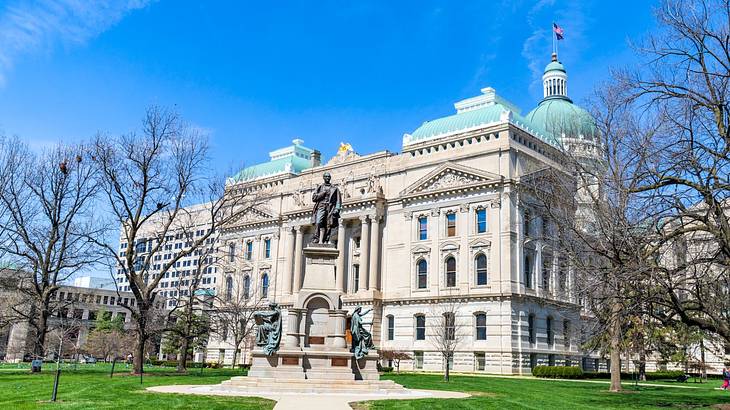

The Capital City
This is the simplest of all the nicknames, derived from the basic fact that Indianapolis is the capital of Indiana. The city took on that role in 1825, nine years after Indiana became a state. It replaced the original capital, Corydon, in the southern part of the state.
The Indiana State Capitol building, completed in 1888, sits in downtown Indianapolis and remains one of the city's most recognizable landmarks.
The "Capital City" nickname rarely shows up in everyday conversation, but it appears in tourism literature and government references whenever Indianapolis needs to be distinguished from the rest of the state.
In Conclusion
For two centuries, Indianapolis has collected names the way other cities collect skyscrapers. One nickname came from the people who designed the streets, another from the jazz musicians who played in them, and one from a journalist trying to describe the city.
What ties all the nicknames together is a city that has always been more interesting than some might think, and that has spent decades proving it.

Want to keep exploring?
Subscribe for our latest guides.
Thank you for subscribing
We will be in touch soon with our latest guides.
Want to keep exploring?
Subscribe for our latest guides.
Thank you for subscribing
We will be in touch soon with our latest guides.